
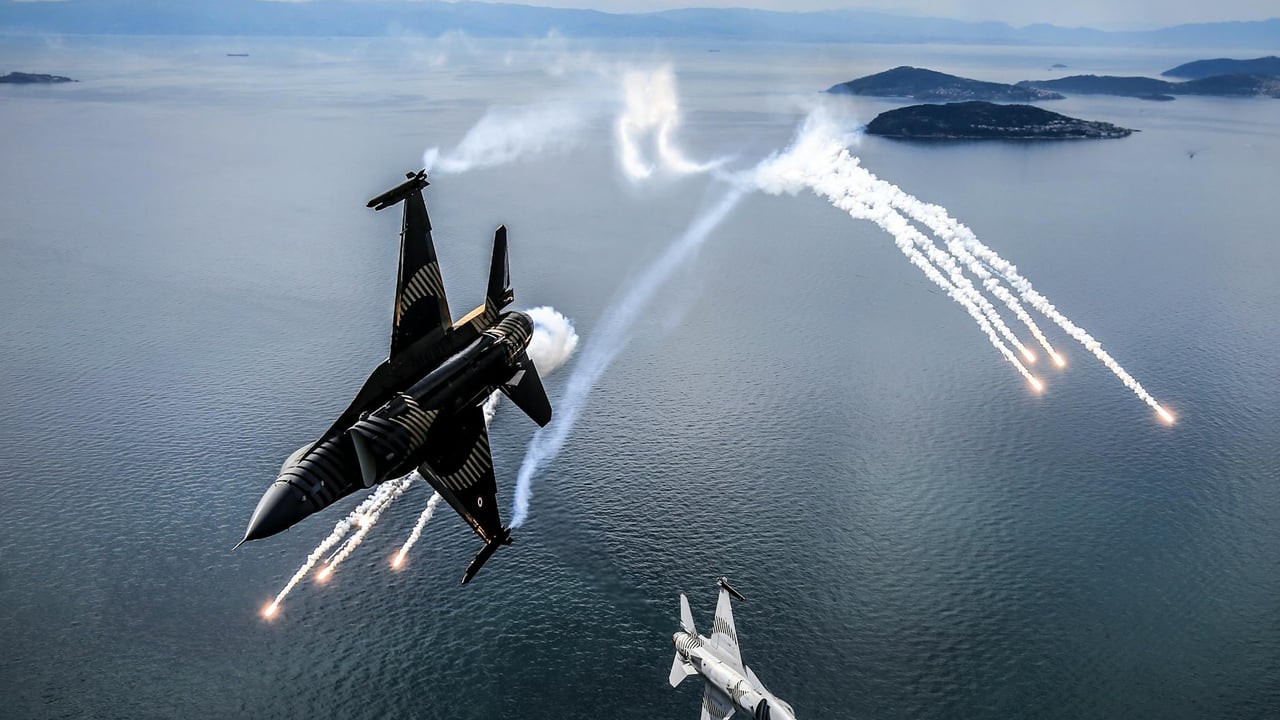

A lightweight multirole fighter developed and produced in Pakistan is drawing fresh international interest, with at least six countries reported to have signed or nearing purchase agreements. The JF-17, known in China as the Xiaolong, has been credited with combat experience and recent export deals that are bolstering Pakistan’s defence industry and altering options for militaries seeking capable but inexpensive combat aircraft.
The latest JF-17 variant is positioned as a 4.5-generation platform: it carries modern avionics, an active electronically scanned array radar, electronic‑warfare systems and beyond‑visual‑range missiles sourced from China. Built at the Pakistan Aeronautical Complex outside Islamabad, the type is pitched as a nimble performer at medium and low altitude, able to undertake air‑to‑air and air‑to‑ground missions while offering a low acquisition price compared with Western rivals.
That price differential is central to the aircraft’s appeal. Market listings put the unit cost in the $25–30m range—far below single‑seat Rafales, Eurofighters or Gripens—making the JF‑17 an attractive buy for states with constrained defence budgets. The aircraft lacks stealth, however, and is designed to occupy the same general market niche as European 4.5‑generation fighters rather than to compete with fifth‑generation jets.
Export momentum is visible. Myanmar was the earliest foreign customer in 2015; Nigeria bought three aircraft in 2021; Azerbaijan signed for about 40 jets in 2024. Recent reporting links Saudi Arabia, Bangladesh, Iraq, Indonesia and Libya to either signed contracts or active talks, and Reuters reported Indonesia seeking more than 40 airframes. Pakistani statements and foreign press coverage cite the JF‑17’s real‑world use as a selling point.
The rise of the JF‑17 matters for several strategic and commercial reasons. For buyers, it promises a complete, low‑cost combat system with the option of closer technology and logistics ties to China and Pakistan rather than to Western suppliers who tend to attach political conditions to arm sales. For Pakistan, expanded exports would deepen defence industrial capacity and hard‑currency revenue, and increase its leverage in defence diplomacy with partners such as Saudi Arabia.
There are limits and risks. The JF‑17’s non‑stealthy design constrains survivability in contested airspaces dominated by advanced integrated air‑defence systems and fifth‑generation fighters. Prospective customers will have to weigh maintenance, pilot training and supply‑chain dependencies—including reliance on Chinese sensors and munitions—against the allure of low purchase costs. Proliferation concerns and regional balance effects will draw scrutiny where sales change neighbours’ capabilities.
On the global market, the JF‑17 amplifies price pressure on established manufacturers of lightweight fighters and offers an alternative procurement pathway for countries seeking numbers rather than leading‑edge stealth. Expect more follow‑on sales and incremental upgrades to the platform: Pakistan’s defence sector appears intent on using export success to sustain domestic technological advancement and diplomatic reach, while buyers prioritize affordability and immediate combat utility.