
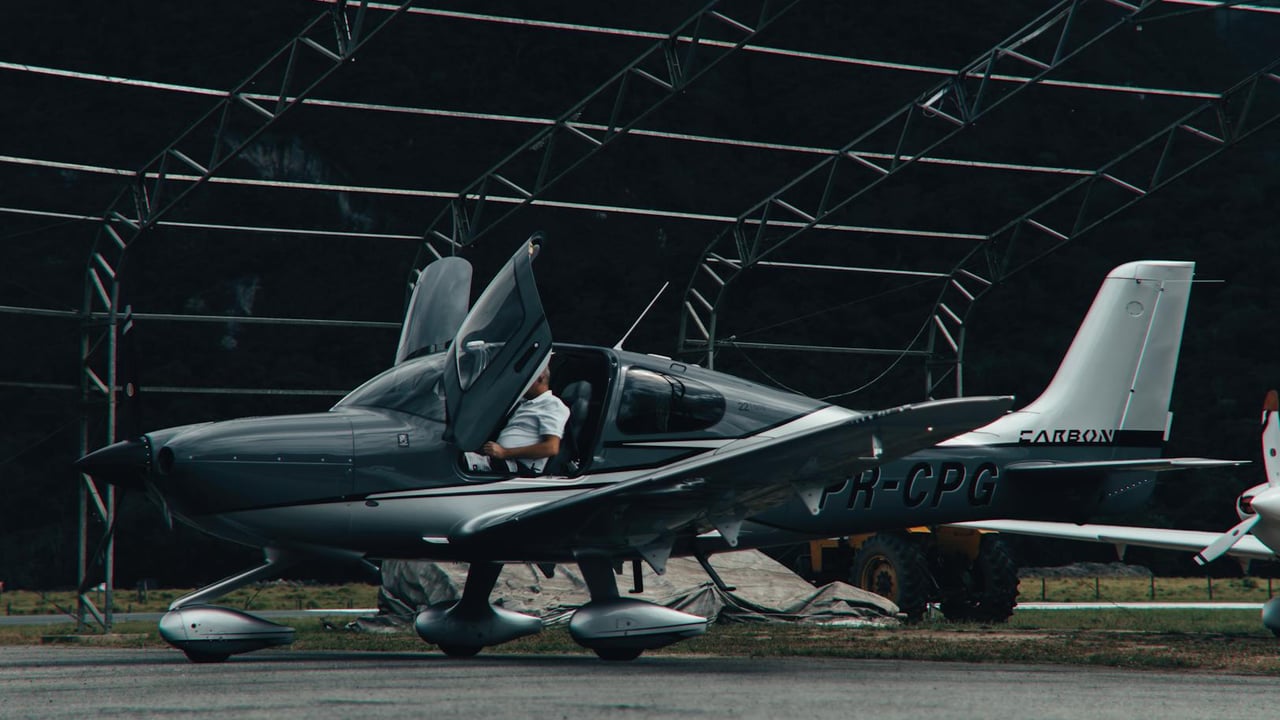

China has announced that its light-sport aircraft sector has achieved full domestic self-sufficiency in core systems, a milestone that industry officials say ends reliance on key imported components. The achievement covers the main subsystems that determine aircraft performance, manufacturability and operational safety, and marks an important step for the country's wider push to build an independent aerospace supply chain.
The development comes amid sustained domestic efforts to expand general aviation — including pilot training schools, leisure flying and regional air mobility — and follows years of investment in avionics, composite materials, flight‑control software and small‑aircraft manufacturing capacity. For producers of light, two‑seat craft used in training and recreational flying, replacing imported modules has both economic and strategic value: it lowers procurement costs, shortens delivery chains and reduces exposure to export controls.
Beyond civilian uses, the technical capabilities embedded in modern light aircraft — integrated avionics, redundant flight systems, and lightweight structural manufacturing — have dual‑use implications. These systems overlap with technologies used in drones, flight simulators and prototypes for more sophisticated aircraft, increasing the strategic value of a domestically controlled industrial base in an era of rising technological decoupling.
Despite the headline, the road from an industrial milestone to widespread operational impact is not immediate. Certification, maintenance networks, pilot training standards and long‑term safety records will determine whether domestically equipped aircraft gain broad acceptance at home and abroad. International customers and regulators will look for transparent testing data and consistent compliance with standards maintained by civil aviation authorities.
Commercially, localising core components can make Chinese light aircraft more price‑competitive in markets where cost and logistics are decisive, such as flight schools, aero clubs and emerging markets in Asia and Africa. But export prospects hinge on meeting foreign certification regimes and overcoming brand perceptions built around established Western manufacturers in the recreational and training segments.
Strategically, the announcement fits a broader pattern: Beijing is accelerating efforts to reduce foreign dependencies in sensitive sectors of the economy. For policymakers, domesticisation of light‑aircraft systems is a relatively low‑visibility way to deepen technological capabilities that can spill into higher‑end aerospace projects and bolster resilience in the face of potential export restrictions.
China's claim of comprehensive domestic control over light‑sport core systems therefore matters for three reasons at once: it signals industrial maturation, it lowers certain vulnerabilities in civil‑aviation supply chains, and it broadens the technological base that can feed military and commercial aerospace ambitions. How quickly these gains translate into more pilots in the air, cheaper flight hours, and international sales will depend on certification, after‑sales support and the industry's ability to sustain high safety standards.