
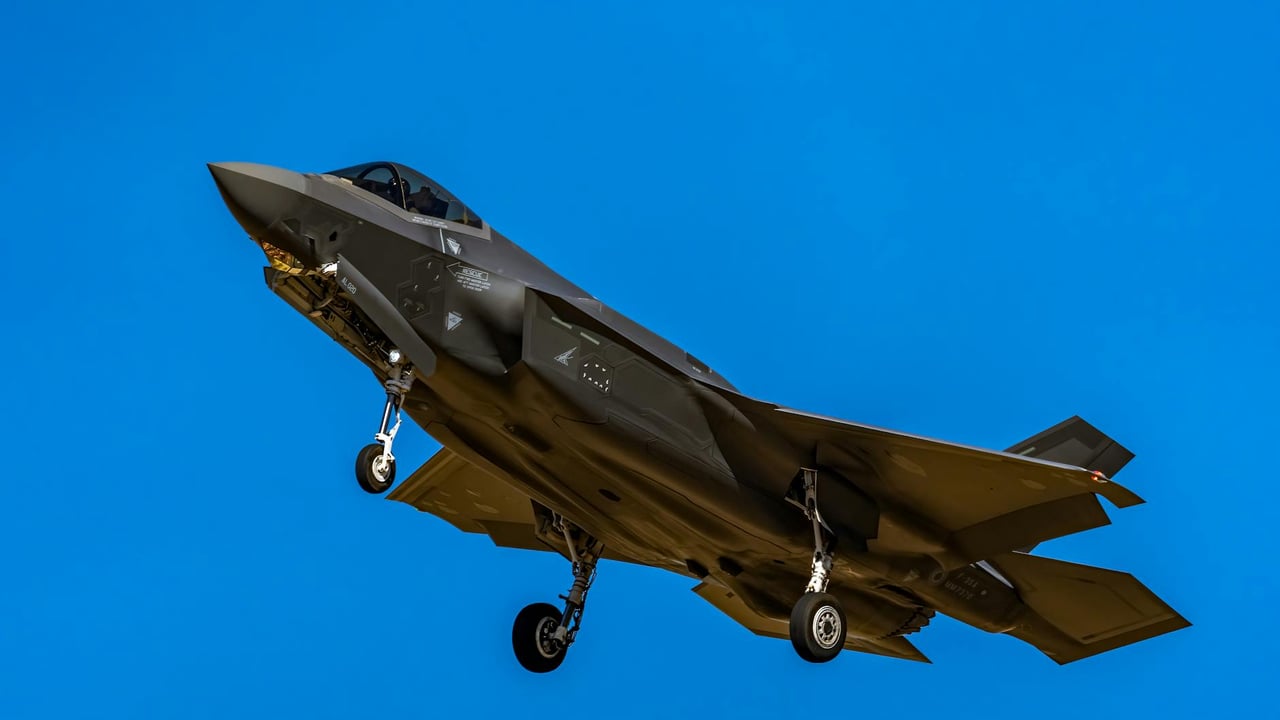

Denmark announced on 16 January that two of its F-35 fighters, accompanied by a French multi‑role tanker, completed a planned training sortie in the southeast of Greenland. The mission combined in‑flight refuelling and extended long‑range flying under Arctic conditions and included a transit over the Faroe Islands, underscoring allied interoperability in the North Atlantic triangle.
Danish defence officials said the flight was one of a series of exercises planned for the year, spanning air, sea and land activities designed to deepen operational capability in polar environments. Operating fifth‑generation jets in extreme cold tests not only aircrew and aircraft systems but also the logistical chains and support infrastructure that sustain high‑tempo operations far from continental bases.
Greenland is an autonomous territory of the Kingdom of Denmark and sits astride strategic air and maritime approaches to North America. The island has been a focus of international attention since then‑President Donald Trump’s 2019 and earlier overtures about acquiring it, and it hosts internationally significant facilities such as the U.S. Thule Air Base. Those realities, together with expanding Russian and Chinese activity and the opening of Arctic sea routes due to climate change, have pushed northern defence back onto NATO’s agenda.
For allied capitals the exercise serves a dual purpose: reassure populations and partners in the North about defence guarantees, while signalling to potential competitors that NATO can operate coherently in the high north. In practical terms the sortie highlights gaps and priorities — arctic‑proofed maintenance, cold‑weather munitions handling, air‑to‑air refuelling planning, and the need for regular allied rotations to maintain readiness.
While the flight itself was routine rather than confrontational, it forms part of a broader pattern of stepped‑up allied presence in the Arctic. Expect more joint training and infrastructure investment from NATO members in the coming years as they balance deterrence and reassurance in a region where geopolitical stakes are rising but direct conflict remains unlikely.