

In a photograph that sits on their home bookshelf, two smiling faces in uniform encapsulate a decade of service and sacrifice. Wan Chunyu and Zhang Jingjing are a married couple who have spent much of their adult lives on China’s frontier — he patrolling the frozen reaches near Mohe in the far north, she stationed at Fuyuan at the confluence of the Heilongjiang (Amur) and Ussuri rivers, the country’s easternmost guard posts.
Their personal trajectory mirrors institutional change. Both met while preparing for military exams in 2010, endured prolonged separations while posted some 1,800 kilometres apart, married in 2015 after a dramatic proposal that invoked military honours, and were reunited in Fuyuan after a 2018 reorganisation transitioned many border troops into immigration and border police roles.
The daily work that fills their lives combines traditional frontier security with community service. Wan leads river and shoreline patrols on the ice-bound border waterway, confronting sudden storms, unstable ice and the risk of tourists inadvertently crossing an international boundary. Zhang, now a household-registration officer, helps vulnerable residents navigate the hukou system to secure pensions and welfare — small bureaucratic victories that have outsized impact in isolated communities.
Their duties expose both the human cost and the state capacity at China’s periphery. Wan recounts a near-miss when his boat nearly capsized on a wind-whipped stretch of the river and another rescue in blizzard conditions where he walked five kilometres through knee-deep snow to recover a missing elderly resident. Zhang’s intervention to transfer an elderly resident’s hukou and obtain social assistance illustrates how frontline police frequently fill gaps in social provision in remote counties.
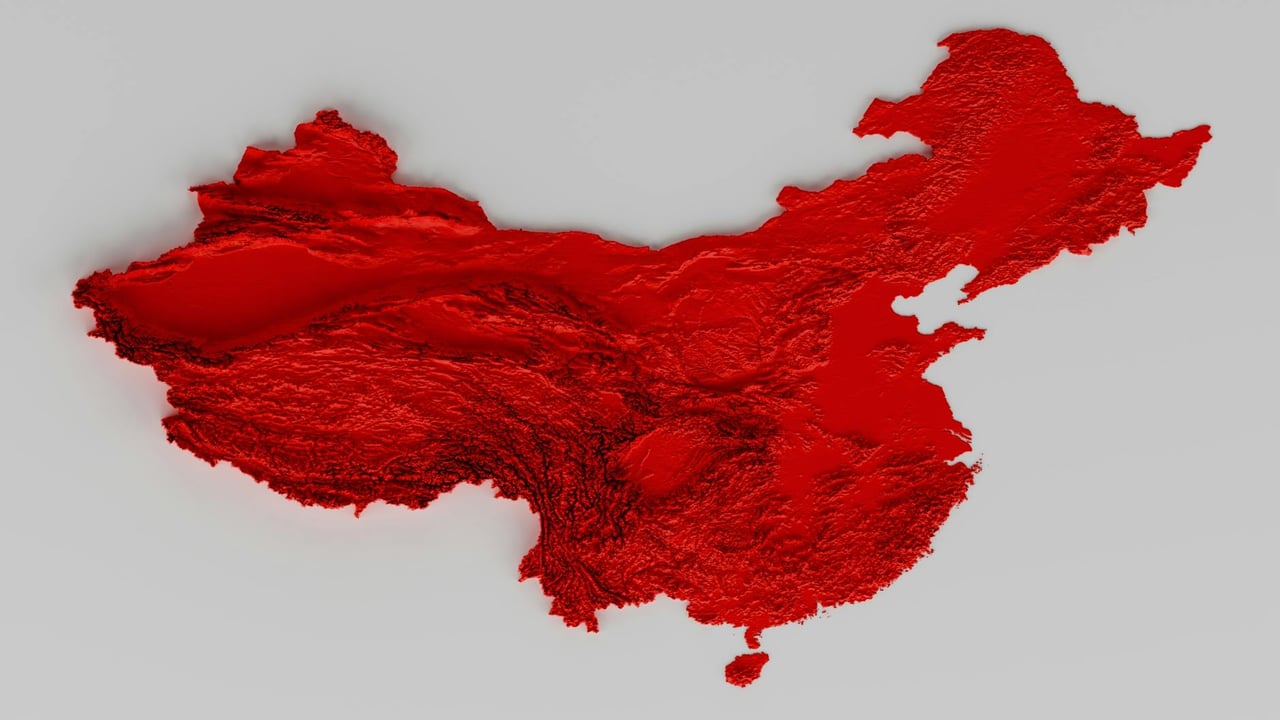
This couple’s story matters for several reasons beyond its emotional core. Fuyuan and Mohe are not only geographic extremes; they sit on a strategic frontier facing Russia where stable, everyday governance — managing borders, assisting civilians, deterring inadvertent crossings — underpins broader bilateral calm. The 2018 reforms that shifted border forces into the public security apparatus also recalibrated roles from military defence to a hybrid of policing, immigration control and community administration.
Seen in aggregate, such human-scale narratives serve multiple policy functions: they highlight the operational challenges of protecting a river boundary in sub‑zero climates, underline how public-security units deliver social services in thinly populated regions, and feed a state narrative about duty and presence on the periphery. As the central government seeks to modernise border management while maintaining social stability, the experiences of officers like Wan and Zhang expose both strengths — local commitment and multi‑role flexibility — and vulnerabilities, including exposure to extreme weather, bureaucratic burdens and potential strains on retention at remote posts.