
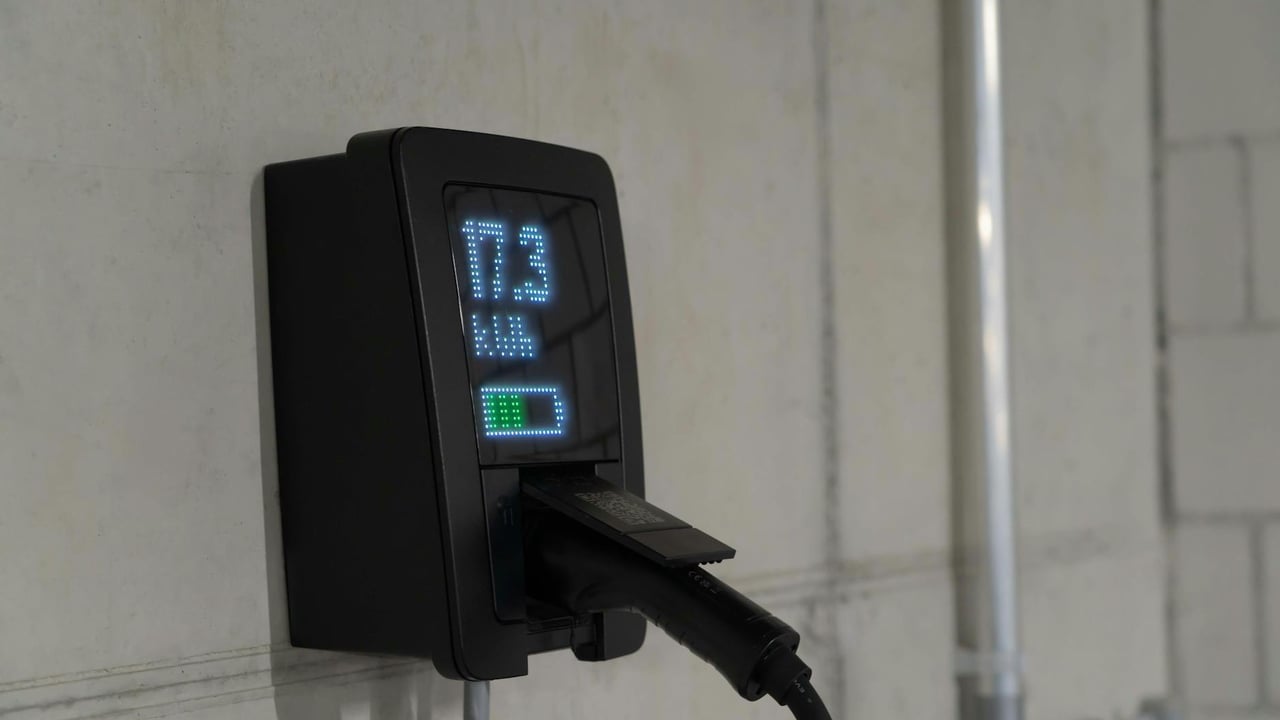

Xpeng said it commissioned 53 new ultra‑fast charging stations in the first two weeks of 2026, underscoring a renewed push by Chinese EV makers to expand proprietary charging networks. The announcement, brief but concrete, places Xpeng among a number of manufacturers racing to ease one of the most persistent frictions for electric vehicle adoption: convenient, reliable long‑distance charging.
The move matters because charging infrastructure has become a frontline battleground in China’s EV market. Automakers are no longer competing only on vehicle hardware and software; control of charging experience has become a strategic asset that shapes ownership economics, brand loyalty and secondary revenue from charging services.
Xpeng’s expansion comes as rivals also bulk up their networks. Domestic peers have been accelerating station rollouts and partnerships with public network operators, while legacy players and state actors continue to invest in nationwide chargers. The result is a denser, more competitive charging landscape in which private networks aim to deliver faster, integrated experiences for their users.
For drivers, more supercharging stations reduce range anxiety and enable longer trips, which in turn supports sales of larger vehicles and higher‑margin models. For Xpeng, the stations are both a customer‑support tool and a visible signal of scale — a way to reassure buyers that the ecosystem around their vehicle is improving in parallel with software and product updates.
But infrastructure expansion is not costless. Building and operating ultra‑fast chargers requires significant capital and ongoing energy costs, and utilization rates are uneven outside major corridors and big cities. Automakers must therefore balance network density with realistic demand forecasts and potential partnerships with third‑party operators to share burden and increase uptime.
The broader significance is strategic: charging networks are evolving into a competitive moat as well as an operational challenge. Companies that align charging coverage with their sales footprint, integrate billing and customer services smoothly, and keep operating costs manageable will be better positioned to convert test drives into long‑term customers and recurring service revenue.
Chinese policy and market conditions will shape how quickly these private networks need to scale. Government investments in public chargers reduce the total addressable market for proprietary networks but also raise baseline expectations for reliability and interoperability. Xpeng’s quick start to the year shows it intends to remain an active participant in shaping that equilibrium.
In short, the addition of 53 supercharging stations is a small but meaningful data point: it signals Xpeng’s operational priorities for 2026 and illustrates how infrastructure is now a central dimension of competition in China’s crowded EV market.