
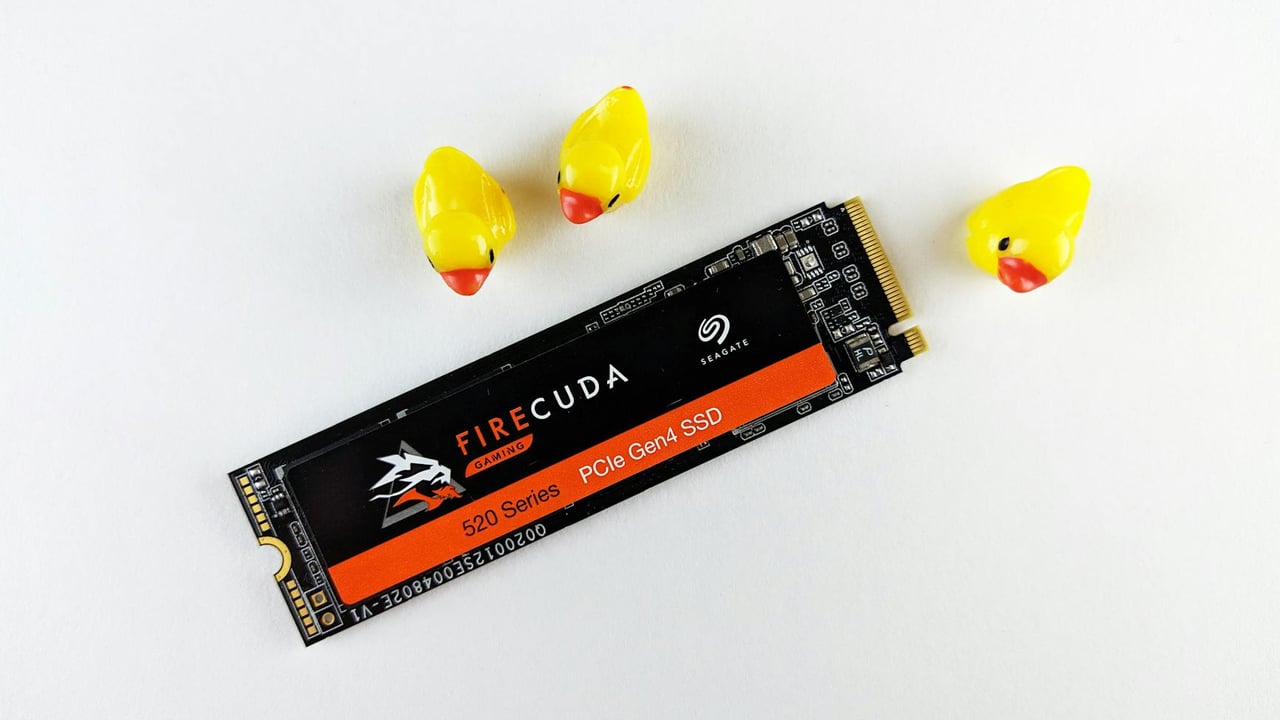

Since late 2025 the price of computer memory has not simply risen — it has exploded. Online listings show DDR5 module prices up more than 300% from September 2025, while DDR4 has climbed over 150%. Shopkeepers in Shenzhen now print daily price sheets because “what’s listed today may not be the price tomorrow”, a signal of extraordinary volatility in a market that normally moves on a monthly cadence.
The proximate cause is a sudden and massive reallocation of storage and memory capacity toward artificial-intelligence workloads. AI servers demand far more volatile and persistent memory than conventional infrastructure: industry sources put AI servers’ DRAM consumption at eight to ten times that of ordinary servers, and claim AI rigs now account for roughly 53% of global monthly DRAM output. On top of that, new architectures announced at CES — most notably technologies that shift context storage from GPU HBM to local SSD — are multiplying enterprise SSD demand by terabytes per GPU.
The effects are cascading down the value chain. Cloud operators and hyperscalers are issuing huge procurement orders, prioritising high-end enterprise DRAM and SSD capacity. That soaks up the limited wafer and module supply available to consumer-product makers, squeezing the pool of parts for laptops, phones and boxed PCs. Retailers and small system builders report inventory losses: a 2TB Kioxia hard drive recently climbed from about 1,000 RMB to 1,500 RMB, and a consumer memory kit that sold for roughly 3,000 RMB in December is now fetching around 4,500 RMB.
OEMs are already passing costs on to buyers. Major laptop vendors including Lenovo, Dell and HP have applied list-price increases in the 500–1,500 RMB range on some models, and smartphone makers are subtly eroding value by shipping lower base RAM configurations rather than absorbing higher module prices. Promotions and discounts that kept device prices soft last year have thinned dramatically, leaving consumers effectively paying more for the same storage and memory specifications.
The supply squeeze is producing winners and losers. Memory manufacturers — particularly integrated device manufacturers (IDMs) such as Samsung, SK Hynix and Micron — are enjoying windfall profits and soaring share prices after investors re-rated their earnings forecasts. Several banks now predict steep year-on-year increases in average selling prices for server DRAM, while analysts raise 2026 profit estimates for the big fabs. But small module assemblers, consumer OEMs and end-users face mounting margin and affordability pressure.
Capacity expansions are in the works, but they are not an immediate panacea. Fab build-outs and process-node transitions require long lead times; the industry consensus is that new production will take months, not weeks, to alleviate shortages. That temporal mismatch means prices are likely to remain elevated through 2026 and possibly into 2027, according to several electronic-market analysts — a cycle driven less by supply disruptions than by a structural rebalancing of demand toward AI-optimised storage.
For consumers the near-term advice from vendors is unambiguous: buy early if you need it. System integrators suggest buying a “just-enough” configuration to get by rather than waiting for name-brand parts to fall back to pre-surge levels. For corporate buyers and cloud operators the calculus is different: securing supply now could be essential to maintaining service capacities and unit economics for AI services.
The broader consequence is a reordering of value across the technology stack. Where once compute cycles were the scarcest resource, context storage and memory bandwidth have become limiting factors for inference workloads. That shift will influence hardware design, procurement practices and capital expenditure priorities for data centres and device makers alike. It also increases the strategic value of memory-production capacity, concentrating leverage in a handful of East Asian fabs and heightening geopolitical and supply-chain sensitivities.
Policymakers and investors should watch for a few competing dynamics: high prices will encourage capex and capacity expansion, which could eventually create oversupply; but with AI demand accelerating and architectures evolving, any mismatch between build speed and appetite for storage could prolong a bull market for memory. For consumers and many OEMs, the immediate outcome will be higher device prices, thinner promotions and a temporary retrenchment in feature sets that rely on larger memory footprints.