
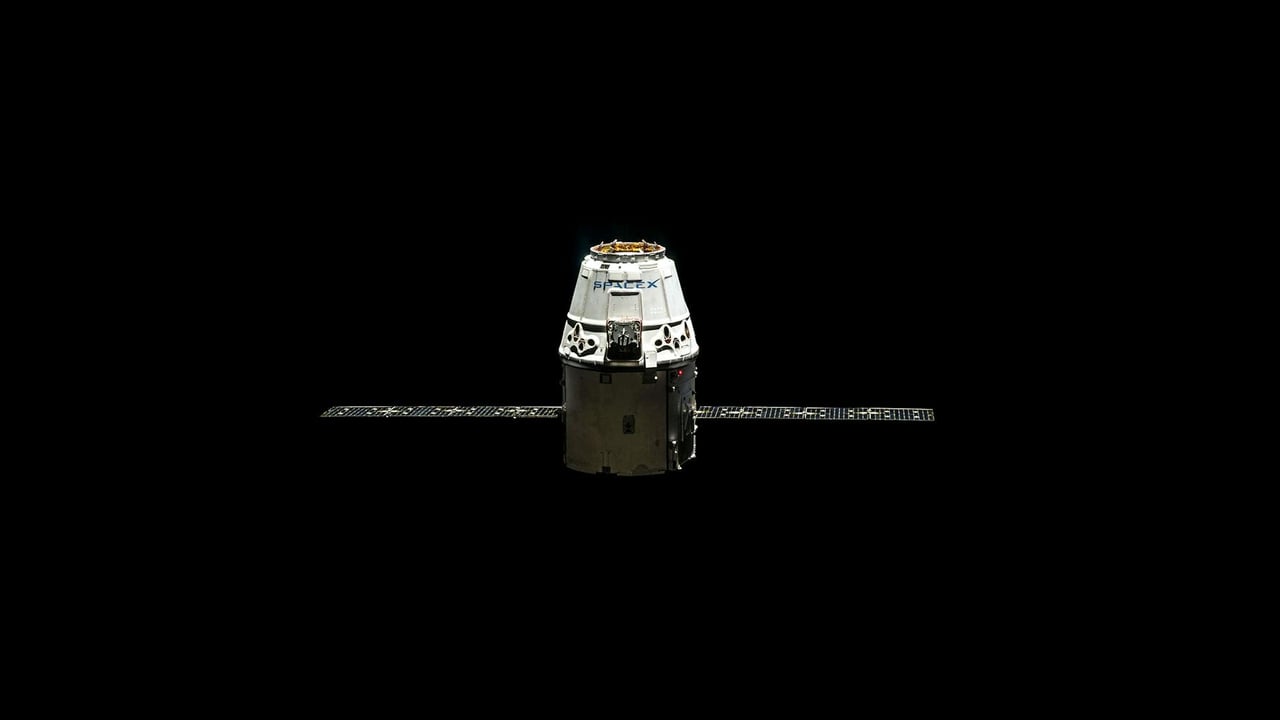

A private Chinese aerospace firm has successfully validated a landing-cushioning system for crewed spacecraft, a first for the country’s commercial space sector. The demonstration, announced on a domestic platform, marks a symbolic and practical step toward private companies meeting the stringent safety requirements demanded of human-rated missions.
For decades China’s crewed space programme has been the preserve of state agencies and their affiliated contractors, producing the Shenzhou capsules and the Tiangong space station through a tightly controlled industrial chain. In recent years regulators and investors have encouraged private entrants to build rockets, satellites and ground systems; this validation shows those entrants are extending from launchers and payloads into the much higher bar of human-flight hardware.
Landing cushioning is one of the most technically demanding subsystems for crewed capsules because it directly protects astronauts from high deceleration at touchdown. Achieving repeatable, testable performance in this domain typically requires integrated design, precise deployment of deceleration devices, and rigorous testing against a wide range of failure modes — all of which have been historically concentrated in government programmes.
The commercial sector’s success on this front does not mean immediate passenger flights. Human-rating a vehicle requires an entire suite of proven systems: reliable life-support, abort and escape mechanisms, redundant avionics, and certified manufacturing and operations procedures. Still, the validated cushioning technology reduces a major technical barrier and shifts the debate about what commercial Chinese firms can deliver next.
There are broader industrial and geopolitical implications. Domestically, this achievement will strengthen private suppliers, widen the industrial base and help cultivate a market for crewed services such as astronaut training, short-duration commercial missions and tourism. Internationally, it underscores that China’s space ecosystem is diversifying beyond state monopoly, though export and cooperation opportunities will remain shaped by geopolitical constraints and national security controls.
Investors and engineers should view the validation as a milestone rather than an endpoint. The next steps will likely include integrated capsule drop tests, full-system end-to-end trials, and the regulatory work required to certify equipment for carrying people. Those processes will take time and public scrutiny, but the private sector’s move into crewed-capable hardware will accelerate competition, innovation and the maturation of China’s space industry.
For global observers, the event is a reminder that the frontier of commercial human spaceflight is widening. The United States still dominates private orbital transport in practical terms, but China’s private sector now appears capable of closing certain technology gaps, altering regional markets for space services and contributing to China’s long-term strategic goal of a robust, dual-track space industrial base.