
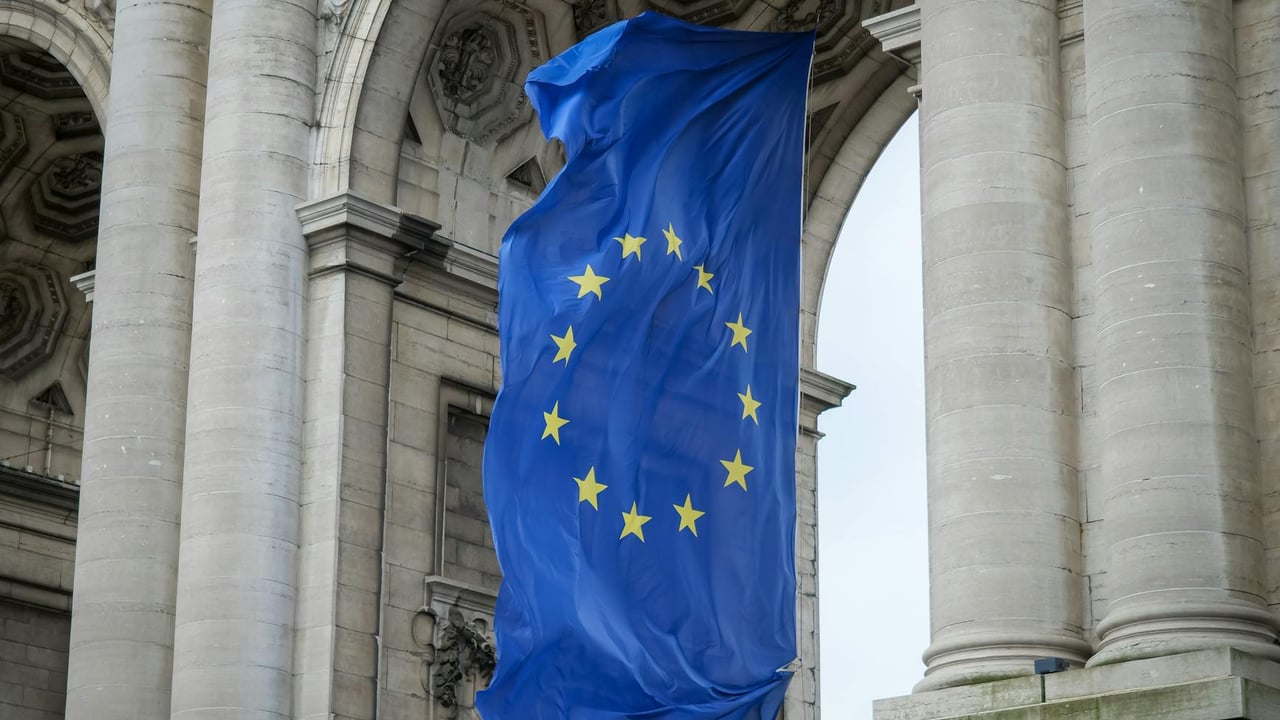

China’s state broadcaster reported on January 18 that multiple European Union governments are weighing retaliatory measures against the United States — including additional duties on roughly €93 billion of US exports and restrictions on American companies’ access to EU markets. The move is presented as a response to a provocative plan announced by US President Donald Trump on January 17 to impose interim tariffs on goods from eight European countries to pressure them into agreeing to the sale of Greenland.
Mr. Trump said on social media that, from February 1, the United States would levy a 10% tariff on imports from Denmark, Norway, Sweden, France, Germany, the United Kingdom, the Netherlands and Finland, with the rate rising to 25% from June 1 until the countries “comprehensively and fully” agreed to sell Greenland to Washington. The announcement came amid heightened attention on the Arctic after several of those nations dispatched troops to Greenland to participate in Denmark’s “Arctic Endurance” military exercise.
The €93 billion figure, if acted upon, would represent a significant slice of bilateral trade and risks rekindling a transatlantic tariff battle similar to the steel and aluminium disputes of the late 2010s. Brussels and national capitals must now balance domestic political pressures to stand up to Washington with the legal constraints of World Trade Organization rules and the interdependence of US–EU commercial relationships.
Beyond trade mechanics, the dispute threatens to deepen strains within NATO and between allies whose cooperation on defence and intelligence hinges on political trust. A tariff tit-for-tat would not only affect exporters and importers but could complicate defence procurement, joint military exercises and cooperation in the Arctic — a region of growing strategic competition over resources and navigation routes.
For European capitals, the episode highlights a broader debate about strategic autonomy: whether and how the EU should shield its markets and critical infrastructure from what it perceives as extraterritorial US pressure. For Washington, the gambit raises questions about the credibility of trade coercion as an instrument to achieve geopolitical aims and the domestic political calculation of using economic leverage to secure territory.
If Brussels moves forward with retaliation, expect a phased escalation: formal consultations among member states, legal notifications to the WTO, and targeted measures that aim to maximise political pressure while limiting damage to European firms. The coming weeks will test whether alliances can absorb an unorthodox bargaining strategy over Greenland without sliding into a broader, disruptive trade conflict.