
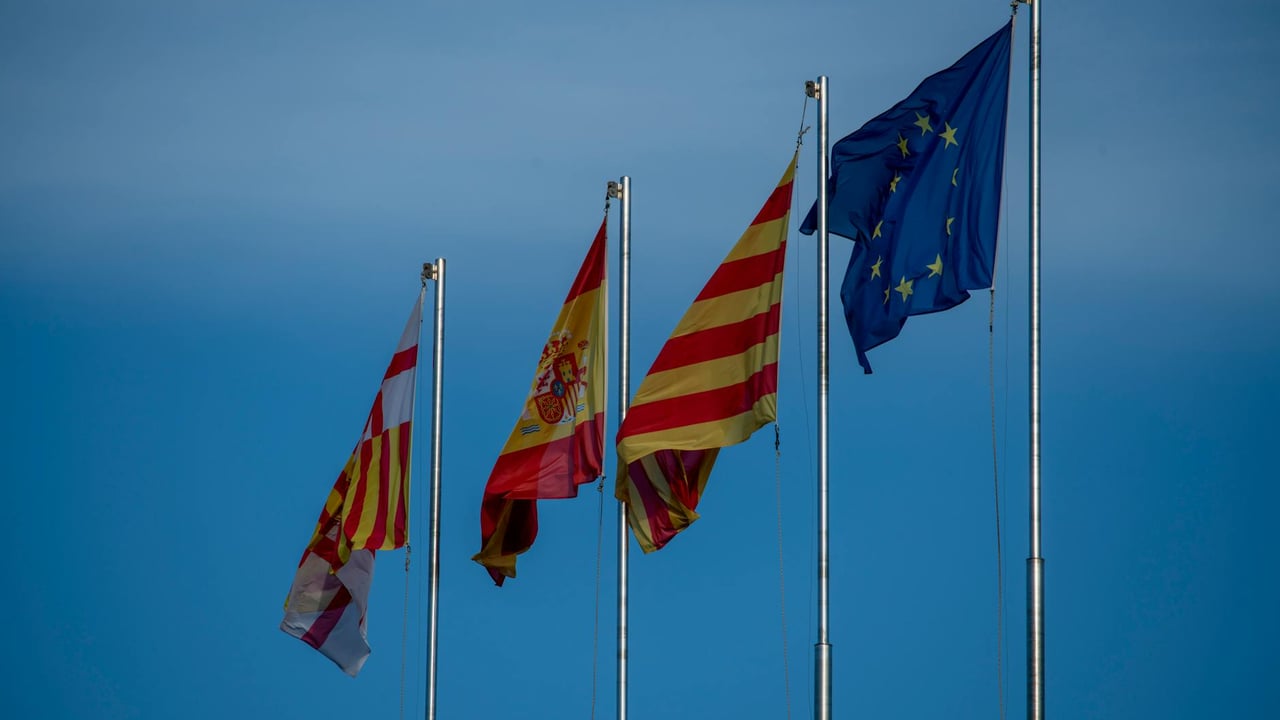

A row over Greenland has metastasised from a diplomatic oddity into a potential transatlantic trade showdown. In mid‑January, the US president tied new tariffs on eight European countries to a demand for a “complete, thorough” purchase of Greenland, announcing a staggered tariff schedule that would rise from 10% to 25% unless his conditions were met. Brussels has responded not with silence but with a draft retaliation package worth about €93 billion and talk of restricting American firms' access to the single market.
France moved quickly to headline the European response. President Emmanuel Macron did not rule out invoking the EU’s new anti‑coercion instrument — the bloc’s most forceful legal tool to counter third‑country actions intended to influence EU decision‑making. The law, adopted in 2023, permits targeted trade and investment measures designed to deter economic coercion; its possible use against a NATO ally marks a striking escalation in Europe’s strategic posture.
The confrontation is already affecting military and diplomatic rhythms in the North Atlantic. Several European countries dispatched small contingents to Greenland for assessment missions; Germany briefly deployed a reconnaissance team that later withdrew after completing its task. The dispute has therefore touched NATO logistics and alliance trust at a time when transatlantic unity is prized for deterrence in Europe.
Chinese state and commercial media picked up the spat with a blend of editorial scorn and practical attention. Coverage portrayed the US move as coercive and self‑defeating, while domestic outlets emphasised the EU’s willingness to respond with coordinated countermeasures. The episode is being interpreted in Beijing as further evidence of fraying Western cohesion and a potential opening for Europe to assert more strategic independence.
Beyond geopolitics, Chinese readers were presented a range of domestic priorities in the same briefing: Beijing’s focus on bolstering consumption and directing fiscal‑financial policy to stabilise the economy; the securities regulator’s 2026 work priorities to prevent market volatility; and a commercial‑space milestone as a private Chinese company validated a crew‑capsule landing cushion system. Those items underline a Chinese policy environment focused simultaneously on managing external shocks and sustaining technology and market momentum.
The immediate economic stakes of a US‑EU tariff exchange are substantial. A €93 billion retaliation would hit aerospace, agriculture, and technology sectors in both directions and risk disrupting supply chains already vulnerable after recent rounds of protectionism. Financial markets reacted nervously to the prospect of a protracted tit‑for‑tat dynamic between two of the globe’s largest markets, while firms whose business models rely on seamless transatlantic trade face renewed policy uncertainty.
The Greenland episode has wider strategic consequences. It crystallises a trend — the weaponisation of trade and preferential market access as instruments of foreign policy — and accelerates the EU’s shift toward tools aimed at strategic autonomy. If Brussels follows through, the response will set a precedent for how the bloc manages pressure from allies and rivals alike, with reverberations for WTO norms and global trade governance.
For businesses and policymakers, the takeaway is that political theatre can have swift economic consequences. What began as an idiosyncratic presidential provocation now risks altering the baseline of transatlantic trade relations, pushing European capitals to shortlist policy instruments that were, until recently, considered mere backstops.
The next phase will test whether diplomacy can defuse rhetoric and return both sides to negotiated trade rules, or whether domestic political calculations in Washington and capitals in Europe harden into a sustained period of protectionist reciprocity. Either outcome will matter far beyond Greenland’s icy shores.