
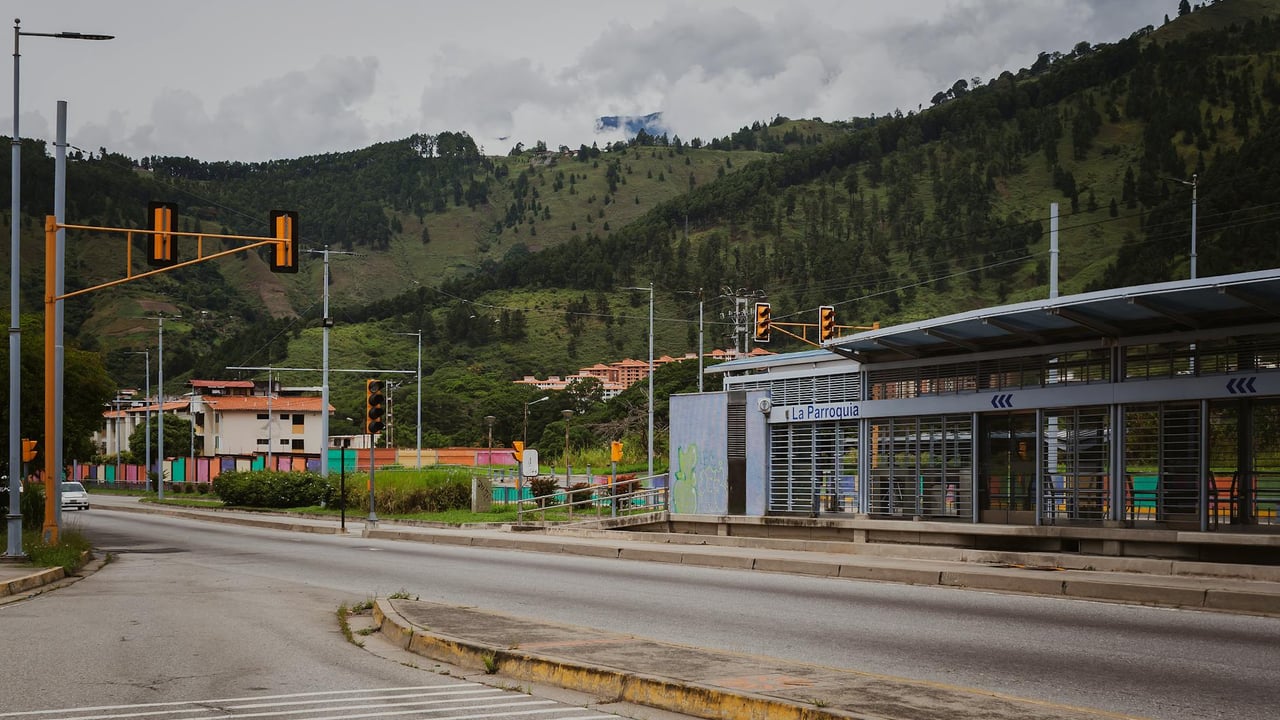

In the small hours of January 3, the roar of low-flying aircraft and a sequence of explosions woke residents of Caracas. Lights flared on the horizon, smoke columned into the night, and some wondered aloud if an all-out war had begun. Two weeks later the city is functionally calm but uneasy: shops and restaurants have reopened, yet people limit movements to essential shopping and live with the persistent mental echo of military overflight.
The strike that startled Venezuela was accompanied by an audacious U.S. move: forces detained President Nicolás Maduro and Washington quickly arranged to sell Venezuelan crude that it had taken control of, raising at least $500 million in an initial tranche. The seizure and disposal of a sovereign nation's oil has compounded fears in Caracas that the operation was not a narrowly targeted attempt at one leader but a strategic effort to control a critical national asset.
Reactions across Latin America were immediate and varied. Colombia rushed tens of thousands of troops to its border and raised its alert level, while voices in Mexico worried that U.S. operations could extend beyond intended targets, putting civilians at risk. For governments and publics across the region the incident has revived long-standing anxieties about external intervention and revived debates about sovereignty, alignment and economic dependence.
For many Venezuelans, the strike has sharpened pre-existing grievances born of years of economic decline. Families that once budgeted for annual holidays now ration essentials; celebrations and small purchases that once marked the year have vanished. Public anxiety focuses less on ideology than on survival: the immediate question is who will control Venezuelan oil and whether revenues will flow to rebuilding social services or to foreign handlers.
Opposition to foreign control of Venezuela's assets runs deep among supporters of the Bolivarian project. Officials and activists who backed the social programs of the Hugo Chávez era warn that an externally managed return to market orthodoxy could erase two decades of redistributive policies. Former diplomats and grassroots organizers stress that the memory of reforms that delivered clinics, schools and subsidies produces a strong resistance to seeing those gains reversed under foreign tutelage.
At the same time, critics inside the region acknowledge long-standing internal weaknesses: overreliance on hydrocarbons, underinvestment in technology and education, and governance lapses that have left several states brittle in the face of external shocks. Voices from within Latin America argue that resilience will require diversifying economies, strengthening regional institutions and deepening democratic participation so that policy becomes more responsive to ordinary citizens rather than external actors.
The strike coincides with an important step in Latin America’s external reorientation: the Southern Common Market (Mercosur) and the European Union formally signed a free-trade agreement on January 17, signaling that many states seek alternatives to a binary choice between Washington and other great powers. Businesspeople who once assumed U.S.-centric economic models are now reassessing partnerships with China and Europe, and some traders report a growing familiarity with Chinese capital and markets.
The episode will likely harden two competing dynamics. On one hand it risks pushing vulnerable governments toward pragmatism and closer ties with non-U.S. partners to insulate themselves from coercive diplomacy. On the other hand it could catalyze domestic political realignments: if foreign intervention fails to improve everyday living standards, it may provoke backlash and entrench anti-interventionist sentiment. Either outcome changes the balance of influence in the hemisphere and raises the stakes for how outside powers — including China, the EU and the United States — manage their competing interests.