
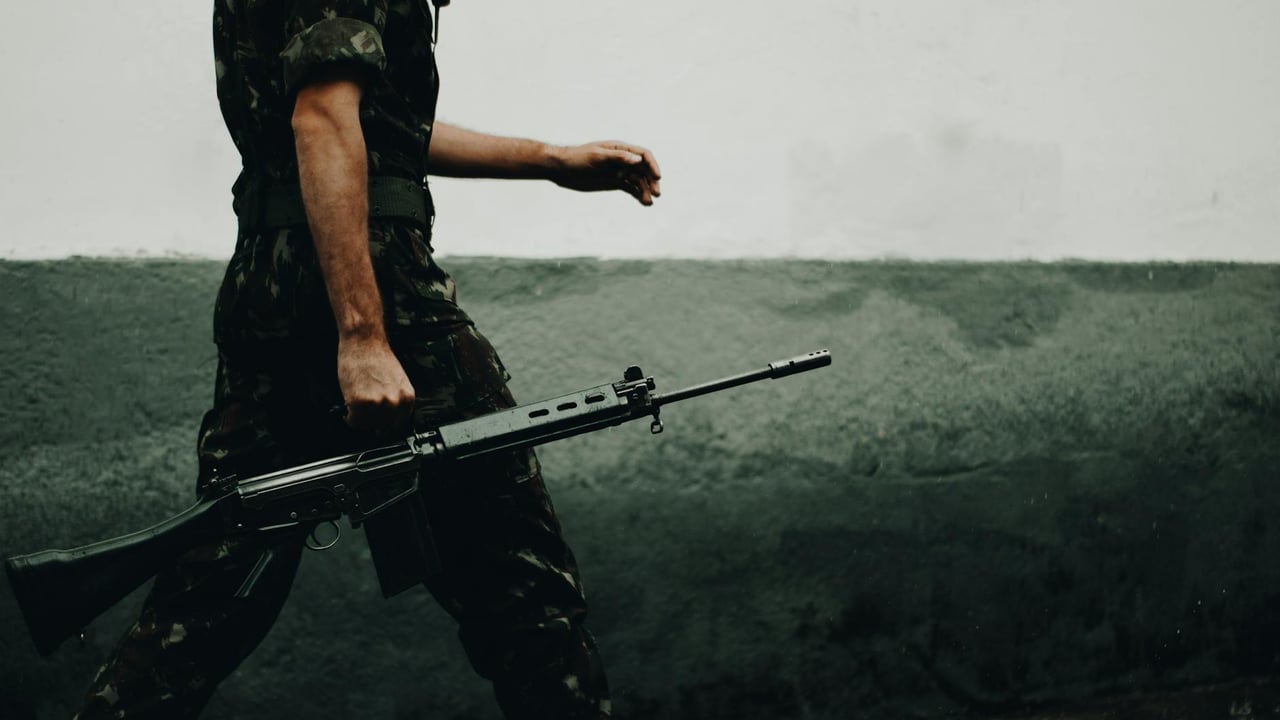

On a rain-slicked training ground in Guangdong, cooks scrambled to unfold field kitchen trailers, medics crept under wire to treat a simulated casualty and drivers practiced converting vehicles into improvised fighting positions. What once read as routine rear-area work has been recast by one unit of the People’s Armed Police (PAP) into a comprehensive “train‑sustain‑fight” regimen, and the results showed when the unit topped a recent provincial training tournament — including strong finishes in logistical events that typically lag behind combat skills.
The change is cultural as much as technical. For years logistical specialties were treated as second-tier: good at everyday sustainment but invisible in evaluations that rewarded frontline combat prowess. Unit leaders began to break that implicit hierarchy by hardening personnel rules, raising the weight of logistics performance in awards, rotating combat‑proven soldiers into support roles and demanding that sustainers meet the same physical and tactical standards as fighters.
Practical changes followed. Cooks must now calculate rations under time pressure, prepare hot meals while under simulated fire and plan secure, direct routes to forward positions. Medics are evaluated on rapid intervention under threat, and drivers are trained to see vehicles as mobile platforms, transport assets and even temporary shields in ambushes. The unit is using small, task‑oriented lessons during operations, VR simulators to catch up soldiers who miss live drills, and competitive instructor selection to raise teaching quality.
The reforms confront persistent constraints. Sustainment tasks are dispersed, unpredictable and heavy; high seasonal maintenance demands or urgent missions regularly interrupt training plans. Unit planners have tried to “fractionalise” training into short, mission‑embedded bursts and to broaden the instructor base to make practice more resilient to operational disruptions. Those measures have relieved some friction, but leaders concede the trade-offs never fully disappear.
The human dimension is striking. A combat squad leader reassigned to run a field kitchen discovered the complexity of planning and security; a gun‑fit technician who once fixed weapons in peacetime found his problem‑solving slowed when working under realistic battlefield stress. Repeated exposure to harsh, unfamiliar conditions is becoming the methodical way the unit forces sustainers to adopt a war‑time mindset: rapid repair within a combined team, protecting supply lines and helping shape tactical outcomes rather than simply performing rear‑area chores.
For international observers, the shift carries significance beyond one provincial unit’s accolades. Militaries everywhere have long emphasised logistics in principle; the Guangdong case shows a deliberate Chinese effort to operationalise that principle by aligning incentives, measurement and training to make sustainers integral to combat outcomes. Investments in VR, cross‑unit instructor accreditation and mission‑embedded micro‑training are small, practical adjustments that can yield outsized gains in readiness and resilience.
That said, the unit’s experience underscores limits. Structural constraints — dispersed tasks, urgent tempo and competition for personnel time — are hard to eliminate. Fully embedding logistics into a combat paradigm requires sustained doctrinal change, resources for simulation and backfill, and cultural shifts in promotion and recognition. The Guangdong model is a credible prototype for scaling, but scaling will test China’s ability to resource and manage the messy realities of mass mobilisation during high‑intensity operations.
Viewed strategically, the improvement in China’s rear forces modestly raises the operational tempo they could sustain in a high‑end conflict. Better-trained sustainers reduce fragile points in a campaign’s tempo: they keep front-line forces fed, fuelled, repaired and medically treated under stress. For planners watching China’s military modernisation, the lesson is clear: improvements in logistics and support are not mere housekeeping. They alter how long and how aggressively forces can operate, and therefore should feature in any realistic assessment of Beijing’s near‑term combat readiness.