Shenzhen Medtech Firm Wins Approval for DHEA‑S Diagnostic Kit, Signaling Incremental Gains for China's Domestic IVD Sector

Shenzhen Pumen Technology has obtained a Guangdong medical‑device registration certificate for a DHEA‑S diagnostic kit, permitting clinical use in China. The approval reflects steady progress among domestic in vitro diagnostics firms to win regulatory clearances and compete with imported assays in routine endocrinology testing.

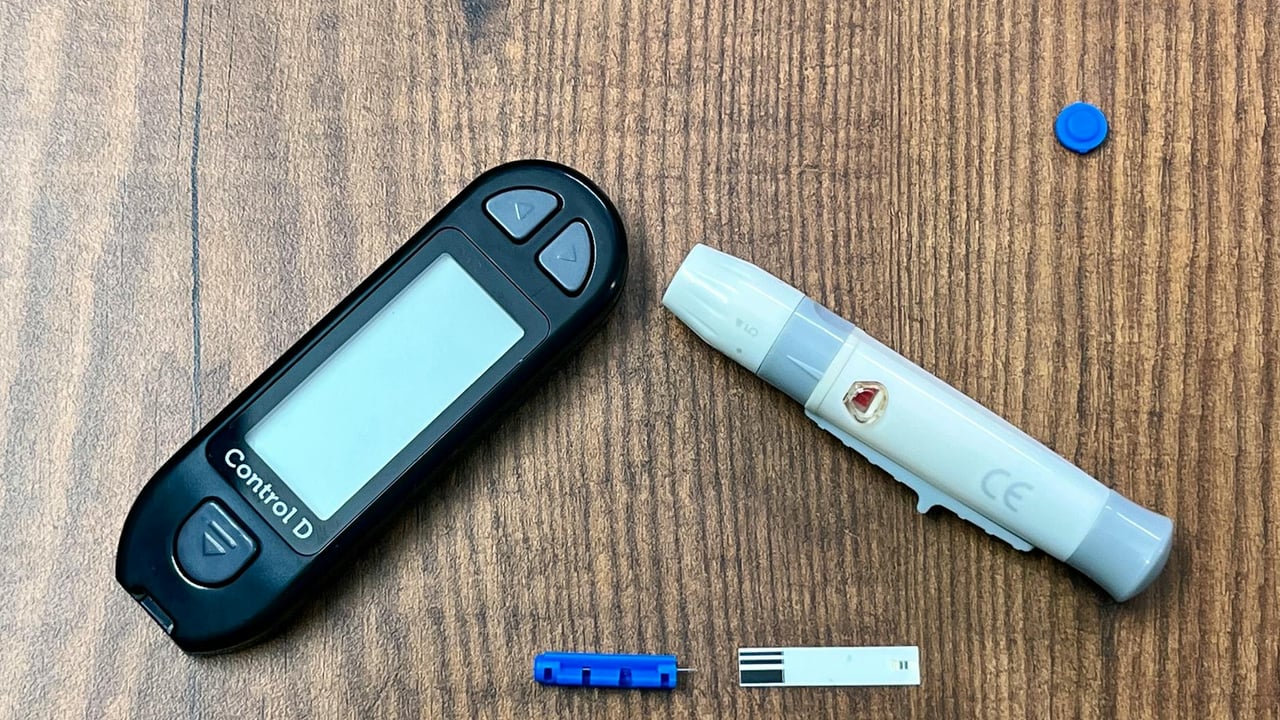
Close-up of a diabetes monitoring kit with glucometer and lancing device on a wooden surface.

Key Takeaways

  • 1Shenzhen Pumen Technology received a PRC medical‑device registration certificate from Guangdong authorities for a DHEA‑S assay kit on Jan 19, 2026.
  • 2DHEA‑S testing is used in endocrinology to assess adrenal function, androgen excess and certain fertility and aging evaluations.
  • 3Registration allows legal clinical sales but does not guarantee rapid market uptake; hospital procurement and reimbursement remain key hurdles.
  • 4The approval is consistent with China's push to bolster domestic IVD capabilities and reduce reliance on imported diagnostic reagents.
  • 5The development signals incremental strengthening of local medtech suppliers, though advanced diagnostics markets still favor multinational firms.

Editor's
Desk

Strategic Analysis

This approval is strategically meaningful but operationally modest. For Pumen it validates R&D and regulatory capacity and opens a pathway to revenues if the company secures distribution and hospital procurement listings. More broadly, the case illustrates how China's IVD ecosystem is professionalizing: regulators are enforcing quality standards while industry actors scale up to capture routine diagnostic volumes previously dominated by foreign suppliers. Expect more such approvals as domestic firms target common biochemical and immunoassay segments, improving supply‑chain resilience for hospitals. Investors and hospital buyers should, however, distinguish between regulatory clearance and clinical performance, since market leadership will depend on cost, test accuracy, service support and inclusion in public procurement and reimbursement frameworks.

China Daily Brief Editorial
Strategic Insight
China Daily Brief

Shenzhen Pumen Technology announced on January 19 that it has received a People's Republic of China medical device registration certificate issued by the Guangdong provincial drug regulatory authority for a dehydroepiandrosterone sulfate (DHEA‑S) assay kit. The registration clears the product for clinical use within the regulatory framework and represents a formal step toward commercial rollout within hospitals and diagnostic laboratories in Guangdong and, by extension, other Chinese provinces.

DHEA‑S is an adrenal steroid measured in clinical endocrinology to evaluate adrenal function, investigate androgen excess, and support fertility and aging‑related assessments. An approved, domestically produced assay gives clinicians an on‑shore option for such tests and expands Pumen's portfolio in in vitro diagnostics (IVD), a segment that remains strategically important for both patient care and the wider medical supply chain.

The approval should be read in the context of a broader Chinese policy push to strengthen domestic medical‑device capabilities after pandemic‑era supply shocks. Regulators at provincial and national level have been granting registrations to Chinese IVD makers more frequently, provided their validation data meet increasingly well‑defined technical and quality standards. For companies like Pumen, a registration certificate is a regulatory milestone that still needs to be followed by clinical adoption, distribution deals, and possible inclusion in hospital procurement lists and reimbursement schemes to generate material revenue.

For international observers, this is not a disruptor moment but a typical example of incremental industry maturation. Domestic assay makers are closing gaps with multinational incumbents on routine diagnostics even as high‑end molecular and imaging technologies remain dominated by foreign firms. The immediate commercial impact for Pumen will depend on its sales channels, pricing strategy versus imported kits, and its ability to demonstrate consistent clinical performance to hospital buyers and laboratory directors.

Share Article

Related Articles

📰
No related articles found