
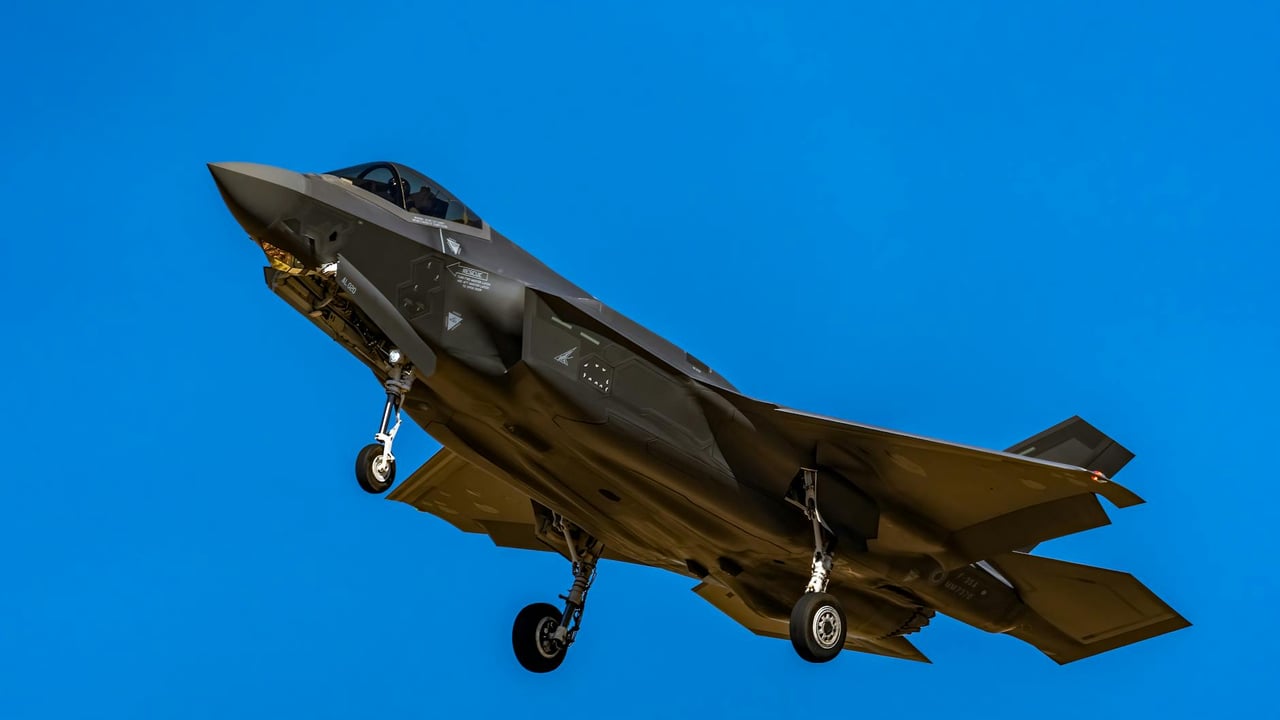

Two Danish F‑35 fighters completed a training mission over Greenland on January 19, 2026, conducting in‑flight refuelling with a French aerial tanker. The brief notice from media sources emphasized the interoperability exercise rather than combat operations, underscoring routine allied training in increasingly strategic northern airspace.
The operation demonstrates how modern stealth fighters rely on aerial refuelling to sustain long trans‑Arctic flights and patrols. Greenland’s vast distances and sparse infrastructure make tankers a force multiplier for any air force operating in the region; practicing refuelling with a partner aircraft tests procedures, communications and secure data links under Arctic conditions.
Beyond the technical aspects, the mission carries geopolitical meaning. Greenland sits astride new shipping routes and resource opportunities unlocked by climate change, and sovereignty there is of heightened interest to NATO capitals and to Moscow. Joint Danish–French activity signals alliance cohesion in the High North and reassures local and allied audiences that European militaries can project and sustain air power in Arctic latitudes.
Denmark has been modernizing its air fleet with the F‑35 to replace legacy F‑16s, while France has invested in strategic tanking capability to support allied operations far from its bases. Exercises like this also help standardize procedures across different platforms and national doctrines, reducing friction in possible real contingencies and expanding the envelope of airborne operations in adverse weather and long‑range scenarios.
For Greenlanders and Danish domestic politics, such flights are a visible reminder of Copenhagen’s defense responsibilities for the territory. For NATO planners, the drill advances a practical objective: ensuring that northern airspace can be monitored, reinforced and defended as Arctic competition intensifies among NATO members, Arctic states and external actors.
Though routine in military terms, the exercise is part of a broader pattern of stepped‑up allied activity in the Arctic. Expect more multinational training where tankers, long‑range fighters and maritime patrol assets operate together to close logistical gaps and demonstrate readiness across a theatre that is rapidly gaining strategic prominence.