

A viral Chinese mini‑app known colloquially as “Did you die?” has set off a scramble among amateur founders and small studios to clone its formula. What began as a social curiosity and a valuation anecdote has translated into a wave of bespoke development requests, with entrepreneurs chasing quick hits and investors chasing headlines.
Small software houses report a surge in orders to build lightweight, single‑purpose apps modelled on the meme: check‑in, reminder and social sharing mechanics wrapped in a catchy name. Developers say the market is already crowded — the reporter found at least six near‑identical alternatives — and creators are branching the idea into life‑style permutations such as “Have you eaten?”, “Have you run?”, or “Have you read?”. The consensus in the local industry is that virality often depends less on technical sophistication than on branding and a name that invites conversation.
Despite online chatter that an app can be built for a few hundred dollars, bespoke full‑service development is commonly quoted at about RMB4,000–6,000 (roughly $560–840), covering requirements gathering, UI design, front‑ and back‑end coding, testing and storefront submission. Developers warn that ultra‑cheap packages sometimes only deliver an installable binary; the hidden costs of certificates, code signing, privacy policies and app‑store compliance — all prerequisites for a stable public launch — often push the real price and timeline higher.
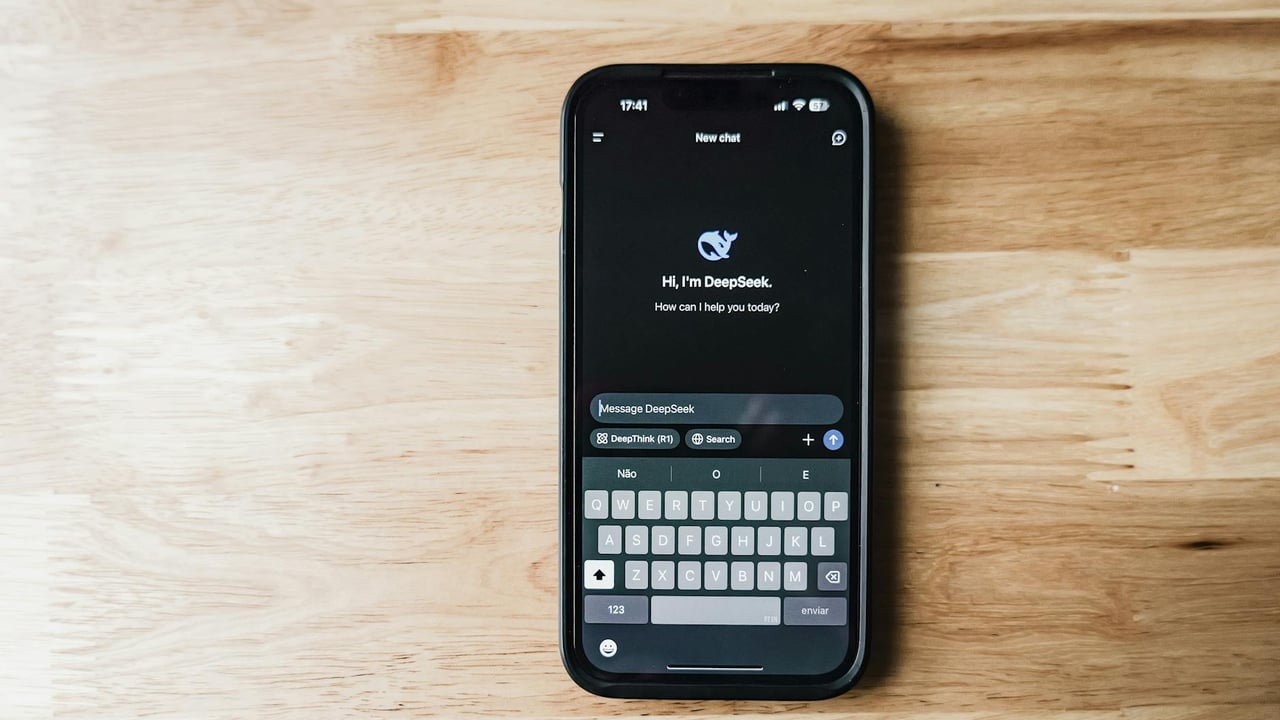
At the same time, generative AI is erasing much of the technical barrier. The reporter tested mainstream AI coding tools and, using a popular service as an example, generated a working “three meals reminder + check‑in” app from a single instruction in under ten minutes. That speed matters: it lets non‑technical founders iterate on ideas and ship prototypes fast. But the AI‑produced output tends to be templated and brittle; complex business logic, security hardening and long‑term maintenance still demand human developers.
The broader significance is twofold. For entrepreneurs and hobbyists, AI‑driven app generation democratizes product creation and accelerates experimentation. For investors, platform operators and regulators, it raises concerns about market froth, quality degradation, and compliance risk. A flood of throwaway apps will make discoverability harder, reduce per‑app revenue prospects, and place a premium on ideas that can achieve genuine retention or network effects rather than one‑off attention spikes.
“Did you die?” may be a fleeting cultural moment, but its ripple effects are more durable: it highlights how AI tooling and low‑cost development are reshaping who can ship software. The immediate boom in copycats will likely taper, but the structural change — cheaper prototyping, faster iteration, and a shift from coding scarcity to product and community scarcity — will leave a lasting imprint on the app economy.