

Excavators roar through the narrow lanes of Nūr Shams as clouds of dust swallow houses once lived in for generations. Since January last year, when the Israeli military launched a major operation known locally as "Operation Iron Wall," more than 40,000 Palestinians from Jenin, Tulkarem and other West Bank refugee camps have been left homeless by systematic demolitions and infrastructure clearance. Aid agencies and residents describe the unfolding destruction as the largest wave of displacement in the West Bank since 1967.
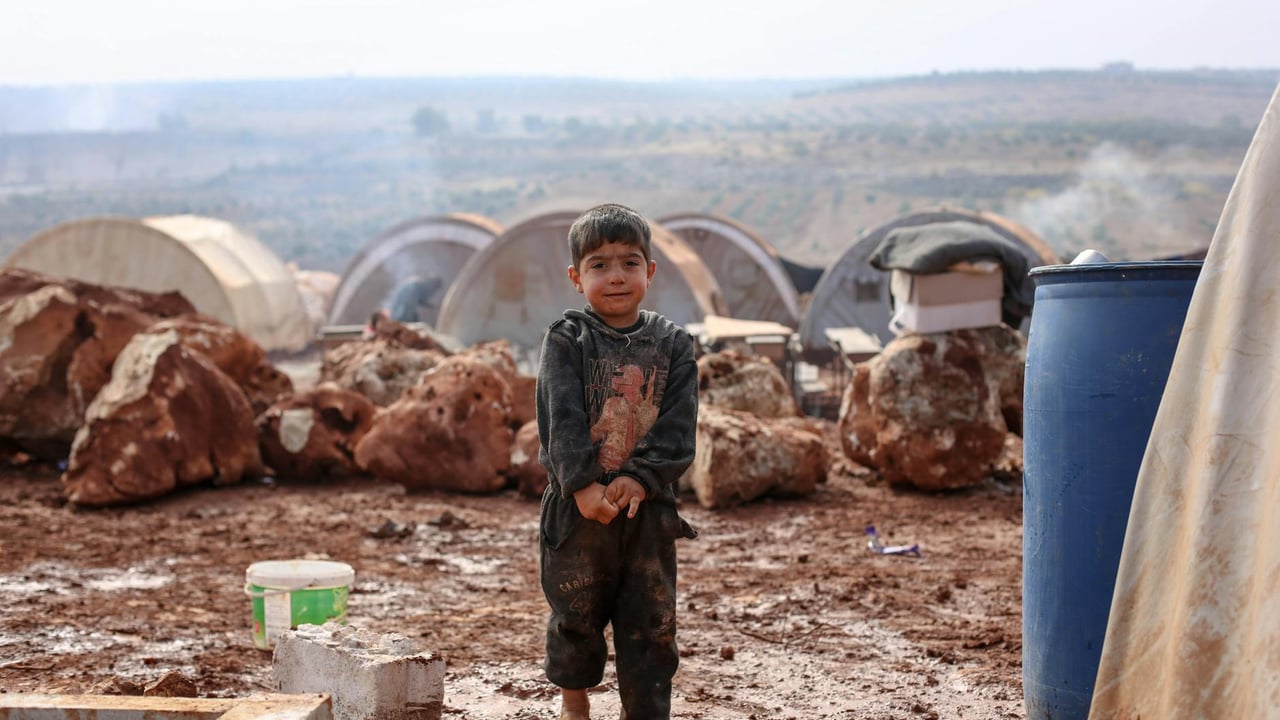
The human consequences are immediate and intimate. Seventy-one-year-old Abdul‑Salam Ode now sleeps inside a rusting minibus he has converted into a makeshift shelter after his home was reduced to rubble. He describes nights soaked through by rain, damp bedding and no income; many other families are crammed into relatives' apartments, rented rooms or derelict vehicles while they wait to learn whether they can ever go back.
Satellite analysis by Human Rights Watch indicates at least 850 buildings across Nūr Shams, Jenin and Tulkarem had been destroyed by the end of 2025, a tally that tallies with scores of personal testimonies of lost homes and livelihoods. The Halifa family — roughly 45 members spread across several households — have been forced into two apartments after an evacuation order in January 2025; what was promised as a temporary two‑week displacement has stretched into eleven months. For many families this is a second exile: their grandparents fled villages around Haifa in 1948 and settled in the camps, only to be uprooted again.
The loss extends beyond bricks. Refugee camps in the West Bank operate as dense social and economic networks: small shops, shared kitchens, informal labour markets and extended family support systems. When those physical centres are dismantled, the social fabric that sustains livelihoods and care collapses too, deepening poverty and eroding any immediate prospect of return. Residents say the phrase "right of return," once a long‑term political claim, has been reduced to a more modest and urgent plea — the right simply to return to the tents and rooms that constituted their lives.
The Israeli military frames its actions as security operations, citing armed activity and recent finds of explosive devices inside camps. That rationale sits uneasily alongside reports of widespread, planned demolitions and infrastructure clearances that render areas uninhabitable. The result is an expanding population of internally displaced persons in the West Bank, straining humanitarian channels and creating a protracted displacement crisis that neither the Palestinian Authority nor international donors are equipped to resolve quickly.
The implications are geopolitical as well as humanitarian. Persistent forced displacement from the camps chips away at the social basis for any near‑term two‑state settlement, hardens grievances and could increase the pool of resentful, marginalized people susceptible to recruitment by armed groups. It also presents immediate diplomatic headaches for Western capitals and aid agencies: rebuilding requires security guarantees, large sums of money and political will — none of which are currently forthcoming at the scale required.
For residents such as the Halifas, hopes have narrowed from returning to ancestral towns in pre‑1948 Palestine to simply reclaiming the refugee camp that has been home for decades. That contraction of expectations — from a historic national claim to the most basic right to shelter and community — is both a human tragedy and a stark indicator of how violence, policy and demography are reshaping everyday life in the occupied West Bank.