
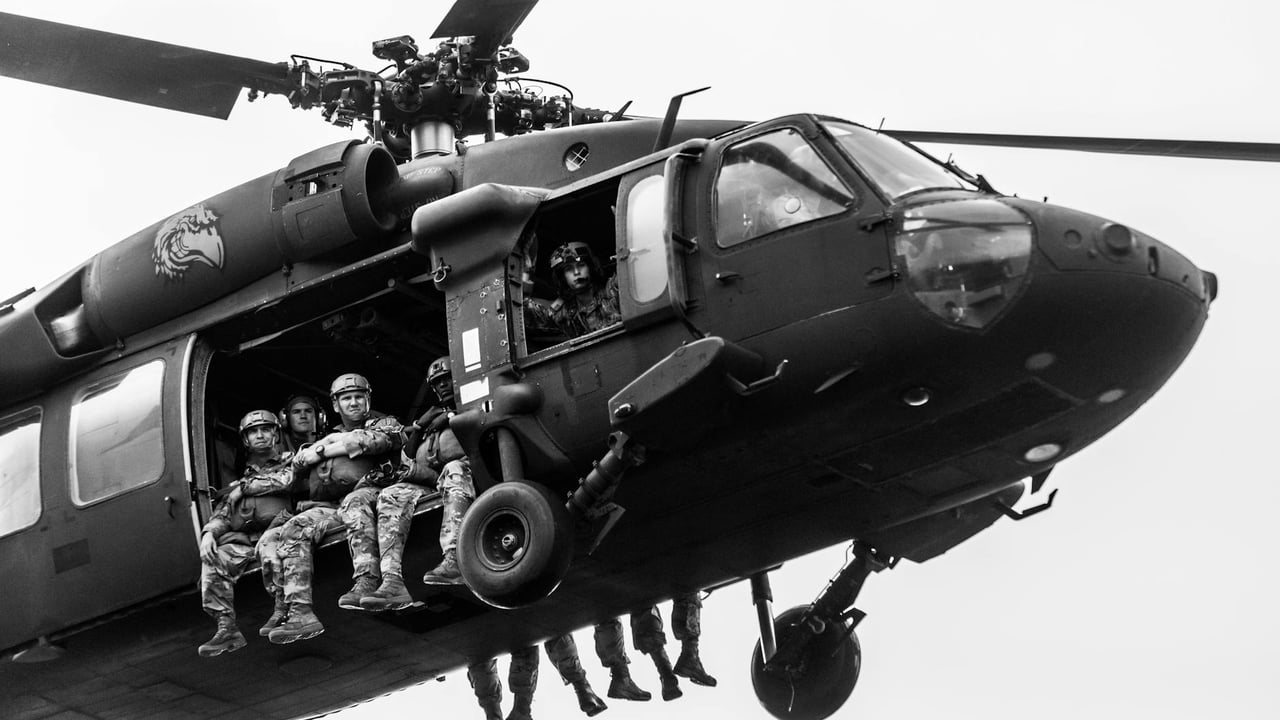

US defense officials have placed about 1,500 paratroopers from the 11th Airborne Division on alert for a potential deployment to Minnesota, a move the Army described as "prudent planning" to guard against a possible uptick in violence. The order, issued as a contingency, has prompted swift political resistance in Minneapolis, where Mayor Jacob Frey called the prospect of sending active-duty forces to the city a "threatening intimidation."
The 11th Airborne is an elite rapid‑reaction formation whose units are trained for parachute assault and high‑tempo operations. Domestic positioning of such forces is a sensitive decision in the United States: the use of active‑duty troops on American soil for civil disturbances raises legal and political questions that reach to the heart of civil‑military relations. The Pentagon framed the alert as precautionary rather than imminent deployment.
The legal backdrop matters. Federal law generally restricts the use of the military in domestic law enforcement — a principle embodied in the Posse Comitatus Act — while the Insurrection Act provides narrow circumstances under which the president may order troops into states. Those constraints tightened political scrutiny after the protests and federal interventions of 2020, when decisions to deploy federal agents and discussions about active‑duty forces provoked intense debate.
Minneapolis has been a focal point of national attention on public safety and racial justice for several years, and local officials are wary of moves that could escalate tensions. Mayor Frey's public rebuke signals the kind of municipal resistance that can complicate White House plans and make any deployment both a tactical and symbolic act. Local leaders and community groups could challenge federal action in court or turn it into a galvanizing political issue.
For the Biden administration — and for any White House that contemplates employing active‑duty units domestically — the calculus is complicated. Sending paratroopers would be intended to deter violence and reassure officials, but it could also be portrayed as heavy‑handed federal intervention and risk deepening mistrust between communities and the federal government. Even the prospect of soldiers on the streets can have immediate political consequences ahead of elections and hearings in Congress.
Operationally, several outcomes remain possible: units might remain on alert and never move in, be used in non‑law‑enforcement roles such as logistics and support for civilian agencies, or be deployed under strict legal authority if state officials consent or the Insurrection Act is invoked. Each path carries distinct legal, political, and reputational costs that Washington will weigh as events unfold.
Whatever happens next, the episode is a reminder that decisions about deploying the armed forces domestically are as much about politics and law as about military readiness. Observers in Washington and abroad will watch whether the deployment discussion produces a short‑lived posture of readiness or a precedent that reshapes how the federal government responds to civil unrest.