
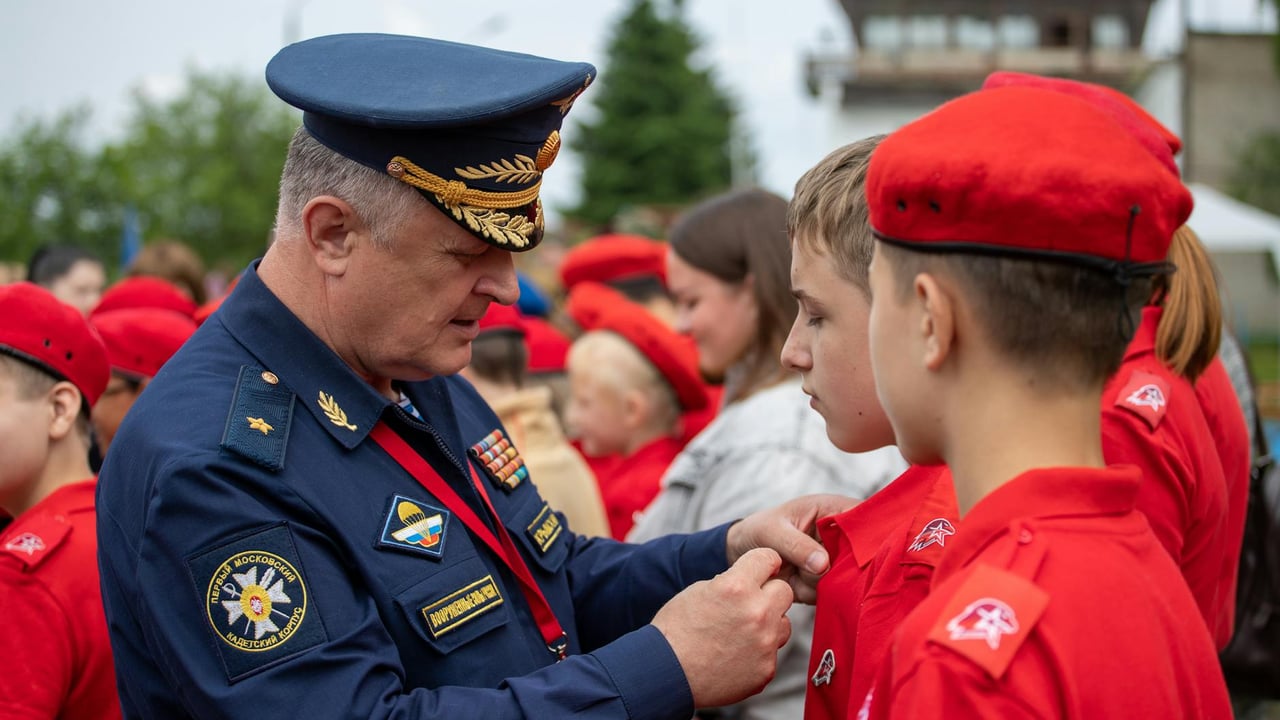

As China’s early 2026 conscription campaign moves into full swing, military recruitment offices across the country have mounted a visible, coordinated publicity push to attract young people to service. Local authorities are experimenting with a range of outreach tactics—campus recruitment fairs, LED-screen adverts, door-to-door visits, market booths and celebratory homecomings—to explain enlistment rules, career pathways and veteran benefits while cultivating a patriotic narrative that frames military service as family honor.
In Xi’an’s Beilin district officials used university career fairs and returning veteran students to make a targeted pitch to graduates, while Shanxi county offices distributed leaflets and played recruitment videos to answer practical questions about incentives. Farther north, Heilongjiang’s state-reclamation bureau hung banners and conducted household visits to foster an “one person serves, whole family honored” atmosphere; Xinjiang’s county teams have set up consultation points in bazaars and townships; and in Qinghai and Gansu recruiters timed outreach to coincide with return-home periods and award ceremonies to reach students and rural youth.
The campaign emphasizes concrete inducements—preferential treatment, post-service benefits and clearer enlistment pathways—alongside personal testimonies and ceremonial praise. That combination is intended to do more than raise awareness: it aims to shape social norms, turning voluntary enlistment into a socially rewarded choice and to reassure potential recruits about career prospects and state supports after discharge.
This push comes against a backdrop of strategic and demographic pressures. China’s armed forces are undergoing sustained modernization that demands a steady flow of capable recruits even as the pool of young men and women narrows because of declining birth rates and urban competition for skilled labor. The government’s response is therefore dual: make military service materially attractive, and make it culturally prestigious.
The geographic spread of the publicity effort also matters politically. Heavy outreach in ethnic and frontier areas—including Xinjiang, Qinghai and Ningxia—serves both personnel and governance goals by integrating local youth into nationwide narratives of service and loyalty. The use of communal rituals and public “honor” ceremonies helps normalize enlistment, but it also raises questions about social pressure on rural and minority communities and the long-term effects of channeling young talent into a military increasingly focused on high-tech skills.
For foreign observers the measures are likely to be read as pragmatic domestic mobilization rather than a blunt expansion of force size. Still, sustaining the quality and quantity of recruits is central to China’s longer-term military ambitions and to civil-military relations at home. The outcomes to watch over the coming months are enlistment numbers, the socioeconomic profile of recruits, and whether incentives and targeted messaging can offset demographic headwinds without increasing social tensions in the regions most intensively canvassed.