
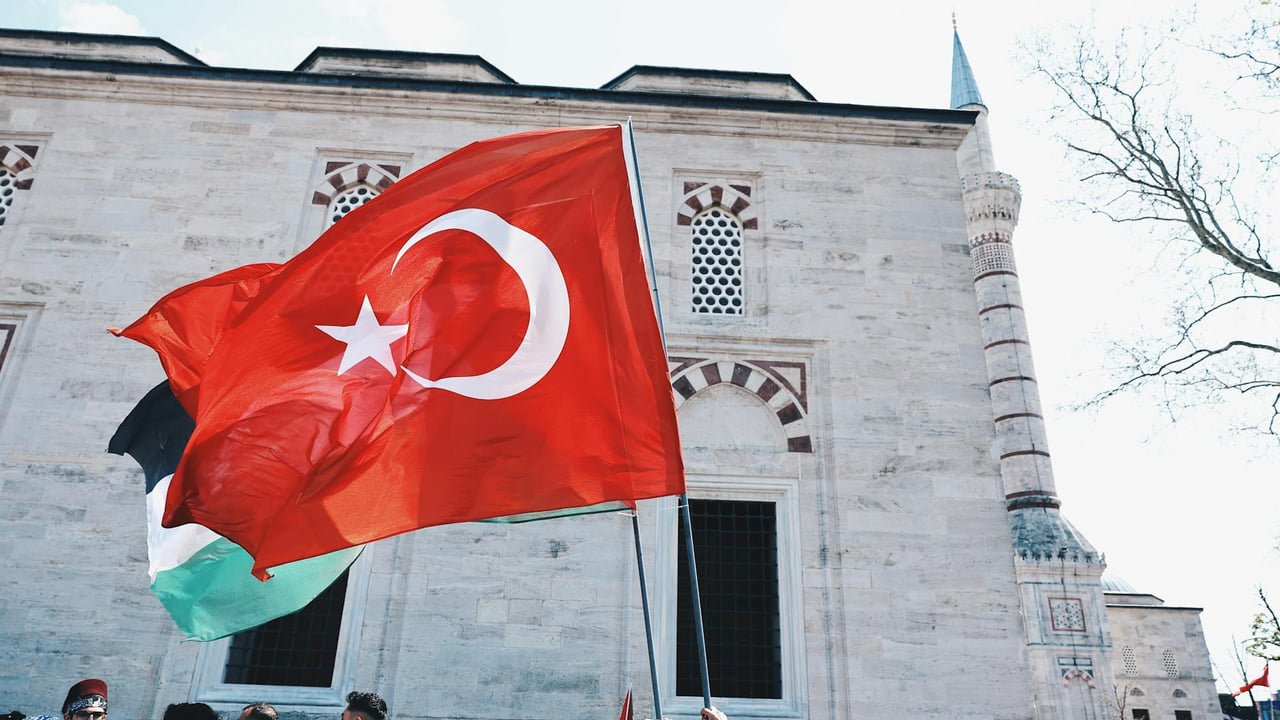

Israel's prime minister privately and publicly pushed back on a US-led proposal to populate a proposed Gaza "peace committee" with Qatari and Turkish representatives, signalling a fresh dispute between Jerusalem and Washington over how to secure and govern Gaza after major combat operations. Benjamin Netanyahu told a US official in a phone call that Israel was "surprised" by a prior unilateral US announcement of the committee's membership, and his office ordered the foreign minister to register formal opposition with Washington.
In remarks to parliament, Netanyahu went further, asserting that neither Turkish nor Qatari forces would be permitted to enter the Gaza Strip. He framed the issue as part of Israel's broader demand that any second-phase ceasefire must include the disarmament of Hamas and the demilitarization of Gaza, steps he says are non-negotiable regardless of the committee's form.
The Chinese state broadcaster report identifies the US interlocutor as "Secretary of State Rubio," a curious naming that does not match Washington's actual cabinet roster and appears to reflect either a transcription error or a misattribution in the original dispatch. Whatever the label, the substance is clear: Israel is publicly contesting a US diplomatic construct intended to manage the post-hostilities period in Gaza.
The dispute highlights competing views of acceptable external actors inside Gaza. Qatar and Turkey have both played prominent mediation and aid roles during previous Israel-Hamas confrontations; they maintain ties to Palestinian political actors and, in Qatar's case, to elements of Hamas' leadership. For Israel, those ties make their presence in any security or governance mechanism politically and operationally unacceptable.
For Washington, involving regional players such as Qatar and Turkey offers leverage to stabilize humanitarian deliveries and negotiations, and to share the diplomatic burden of reconstruction and governance. For Jerusalem, the priority is ensuring that any outside involvement does not undercut Israel's security objectives, especially the unequivocal goal of disarming Hamas and preventing a rearmament that could threaten Israel's southern communities.
The public clash complicates an already fraught diplomatic choreography: implementing a ceasefire, delivering humanitarian aid, and arranging Gaza's long-term status will require coordination among Israel, the Palestinian Authority, Palestinian factions, the United States and regional states. Israel's rejection of Qatari and Turkish participation narrows the set of acceptable partners and increases the risk that parallel, competing tracks will emerge, undermining the coherence of post-conflict arrangements.