
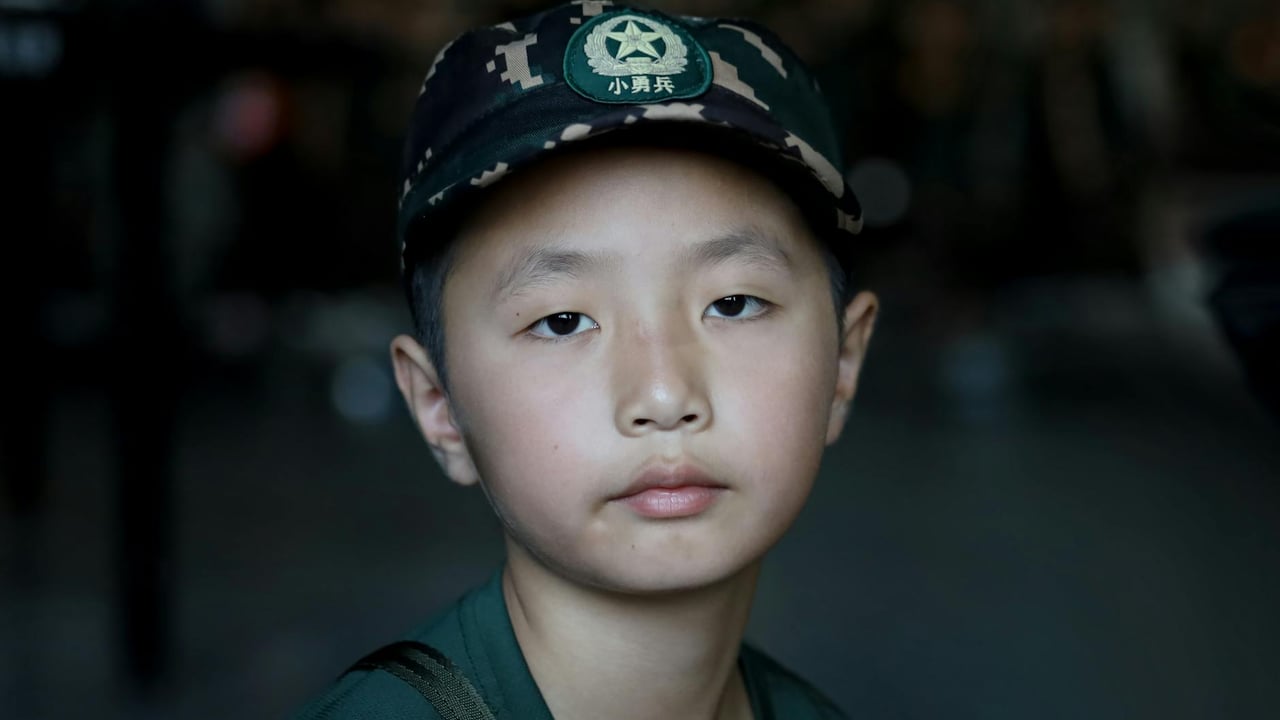

As China’s 2026 early-year enlistment drive gets under way, local military recruitment offices across the country have mounted an intensive public-relations campaign aimed at turning eligible youth into volunteers. Authorities are combining campus outreach, community visits, publicity materials and local ceremonies to explain enlistment conditions, career prospects and preferential benefits, and to cultivate a civic narrative that frames military service as both an honor and an opportunity.
In Xi’an’s Beilin district, recruiters piggybacked on a university campus hiring fair to make a targeted pitch to graduating students, inviting veteran university-enlisted soldiers to lay out policies and personal experiences. In Shanxi’s Anze county, officials distributed leaflets, posted notices and screened short recruitment films on LED boards, while in Heilongjiang agricultural districts recruiters used banners and door-to-door visits to sell the family-honour proposition—“one person enlists, the whole family is proud”.
Recruitment teams in Xinjiang’s Jinghe county went into town markets and villages with convenient consultation booths and face-to-face explanations of preferential policies, reflecting a broader tactic of reaching minority and rural communities through everyday local hubs. Officials in Qinghai’s Guidexian and Gansu’s Zhenyuan county timed activities to coincide with local events and student holidays, offering personalised help with application procedures and leveraging prize-giving and “good news” visits to soldier families to burnish the status of service.
The tactics are conventional but wide-ranging: staged public ceremonies, veteran testimonials, targeted outreach to returning students, and the distribution of detailed policy literature. The consistent message is practical—covering enlistment steps, eligibility and benefits—framed within a patriotic appeal and reinforced by social rituals that prize military achievement. Local recruitment organs are emphasising accessibility and reassurance to reduce friction in the signing-up process.
This surge in grassroots publicity may appear routine, but it occurs against a backdrop of strategic priorities that elevate its significance. China retains conscription law, but in practice relies on a volunteer-based enlistment system that must produce recruits with the technical and educational skills needed for a modernising People’s Liberation Army (PLA). Low birth rates and shifting labour markets have tightened the pool of available young people, making persuasive local campaigning more important for meeting quotas and improving recruit quality.
The geographic spread of the campaigns—urban campuses, agricultural collectives, minority-dominated border prefectures—also reveals political aims beyond manpower. Recruitment campaigns serve to normalise military service as a channel of upward mobility, integrate peripheral regions into national narratives of duty and reward, and reinforce the social prestige of military families. In sensitive regions such as Xinjiang, public outreach that blends convenience with ceremony helps bind local communities to central priorities.
For foreign observers, these activities are a reminder that China is not only modernising force structure and equipment but also investing in the human foundations of its military. Recruitment drives that stress technical training, career prospects and tangible benefits suggest a continuing emphasis on producing better-qualified personnel rather than merely increasing headcount. The short-term result is likely a steady flow of volunteers; the longer-term challenge will be retention, training throughput, and aligning enlistment patterns with the PLA’s evolving strategic and technological needs.
The 2026 campaign may therefore be read as both administrative housekeeping and a modest barometer of Beijing’s ability to replenish a professionalising force amid demographic headwinds. How successfully local outreach converts interest into sustained service will matter for China’s military readiness and for the party’s domestic narrative about citizenship, sacrifice and reward.