
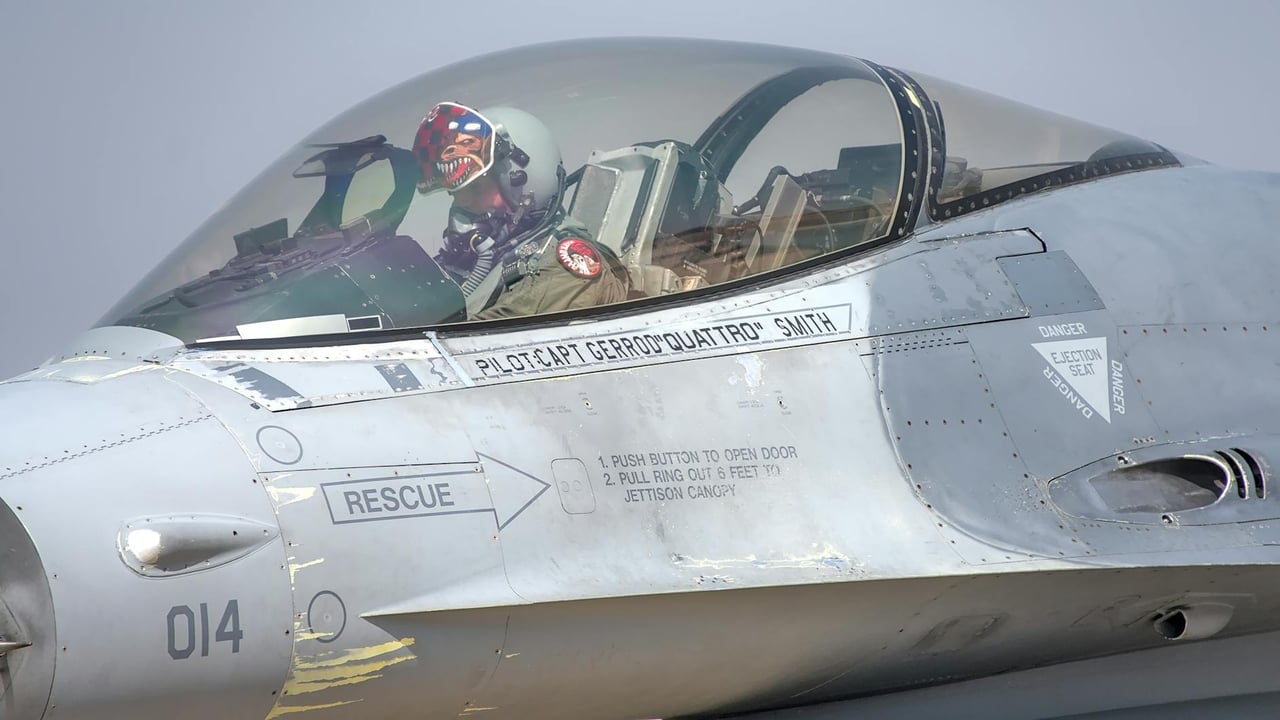

The People’s Liberation Army Air Force has kicked off its 2026 pilot recruitment final selection in Beijing, drawing high‑school seniors from Beijing, Tianjin, Hebei, Shanxi and Inner Mongolia alongside graduates of 16 national youth aviation schools. Candidates are undergoing comprehensive assessments at the Air Force’s specialist medical center as they vie for the final clearances to enter flight training.
The selection process is split into medical and psychological tracks. Medical screening covers more than a hundred checks spanning ophthalmology, internal medicine and surgery to assess long‑term health and human‑machine compatibility, while psychological selection employs cognitive tests, dynamic behavioural observation and expert interviews to evaluate mental resilience and flying potential. Any failure in individual items leads to immediate disqualification, underscoring a zero‑tolerance approach to medical and psychological risk.
This year’s campaign emphasizes technological upgrades to raise scientific precision. The Air Force says it will introduce intelligent anti‑vertigo assessments, long‑duration dynamic electrocardiogram monitoring and automated detection of visual function abnormalities among other innovations, reflecting a shift toward data‑driven evaluation methods in candidate screening.
Logistics aim to broaden access: from mid‑January to late April, selection stations will operate in Beijing, Nanjing, Guangzhou, Jinan, Chengdu and Shenyang so candidates can be tested locally. A one‑stop “green channel” will open in mid to late June for high‑scoring university‑entrance exam candidates, and in early July the Air Force will jointly confirm admissions with provincial examination authorities for those who pass medical, psychological and political checks and meet provincial special‑type admission thresholds.
The Air Force Recruiting Bureau and its selection centres are presented as the sole authorities for recruitment, stressing unified planning, open procedures and no cooperation with private intermediaries. The statement explicitly warns against for‑profit “training camps” and coaching classes that claim to boost success rates, reiterates that no fees are charged for registration or testing, and notes that travel costs for candidates will be reimbursed under military regulations.
For international observers, the operation signals more than routine personnel management. The combination of stricter, tech‑enabled medical screening and an emphasis on transparent, centralized processes points to an effort to professionalize the pilot pipeline, raise physiological and cognitive standards for aircrew, and reassure the public while denying space to corrupt middlemen. Those changes matter for the quality of future pilots and the Air Force’s ability to staff increasingly complex platforms and missions.