
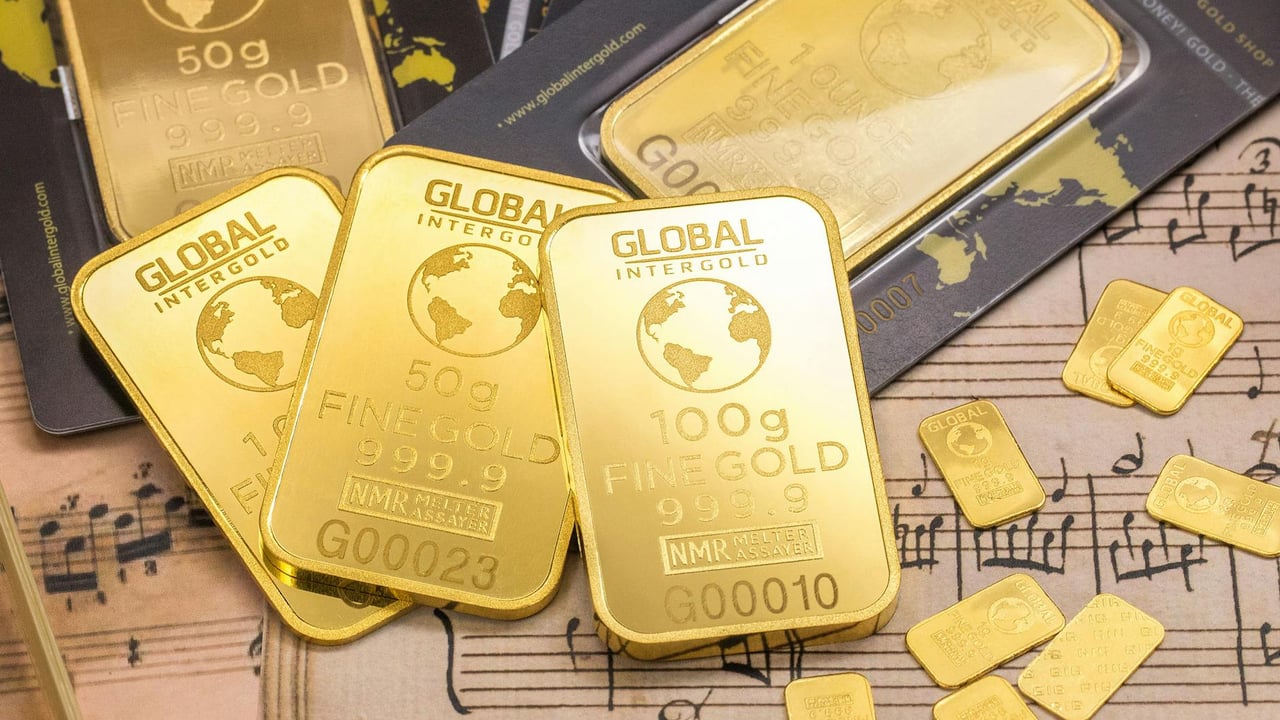

Spot gold pierced $4,700 an ounce on January 20, with COMEX futures briefly topping $4,707, marking fresh all-time highs and extending a rally that has seen prices climb more than 8% year-to-date. The advance has been rapid: since January 1 the metal has marched through successive psychological thresholds at $4,400, $4,500 and $4,600, drawing fresh attention from investors and policymakers alike.
The price pressure has translated quickly into higher retail costs in China, where leading jewellery brands have raised full-gold (24K) quotes beyond CNY 1,450 per gram. Lao Miao, Lao Feng Xiang and Chow Tai Fook are advertising prices in the CNY 1,455–1,456/gram range, underscoring how an international commodity shock feeds directly into consumer-facing markets.
Strategists are citing a mix of structural and cyclical forces behind the move. Michael Hartnett, chief investment strategist at Bank of America, argues the emergence of a "new world order" is not only powering equities but also creating the conditions for a prolonged gold bull market. He warns that silver and, to a lesser extent, gold already show signs of being overbought — silver sits some 104% above its 200-day moving average, its steepest divergence since 1980 — but maintains that the long-term rationale for higher gold allocations remains intact.
Fund managers point to geopolitics and commodity dynamics as reinforcing factors. Wang Xiang of Bosera Fund highlights an array of flashpoints from attacks in Venezuela to rising frictions between major regions and even rhetoric about Greenland and tariffs on European countries; these heighten resource-security concerns and lift metals broadly. With major commodity indices completing annual rebalances and the largest gold ETF, SPDR, adding more than 20 tonnes in a single week, momentum from institutional flows is now complementing the geopolitical bid.
Not everyone is urging indiscriminate buying. Analysts at Galaxy Futures caution that policy shifts, liquidity conditions and investor sentiment can converge to produce sharp corrections, especially in silver whose industrial ties give it a higher volatility profile. By contrast, the agency frames gold as a steadier core hedge in an uncertain mix of macro and geopolitical risks.
This episode matters because gold functions as a barometer of both market fear and expectations for monetary policy and currency stability. Central-bank behaviour, U.S. interest-rate trajectories, dollar moves and ETF flows remain the proximate determinants of near-term corrections or acceleration. Meanwhile, retail and sovereign demand can amplify trends: low private allocations — Bank of America notes high-net-worth clients hold only about 0.6% in gold — suggest scope for rebalancing into the metal if risk perceptions persist.
For investors the practical takeaway is twofold. First, the environment supports higher allocations to gold as insurance against geopolitical shock and potential monetary easing or currency weakness, but positioning should account for elevated volatility and the risk of steep pullbacks. Second, silver and other industrial metals may offer greater upside in a commodities rally but carry disproportionate downside in a risk-off event.
Looking ahead, the path to a materially higher gold price is plausible but not inevitable. Bank of America points to historical precedents — four major 20th-century gold bulls averaged roughly 300% gains — to argue for a possible move toward $6,000 if similar dynamics play out. Yet that outcome depends on sustained geopolitical tensions, dovish shifts in policy rates or renewed large-scale buying by ETFs and central banks; any one of those factors could reverse rapidly and unleash profit-taking.