
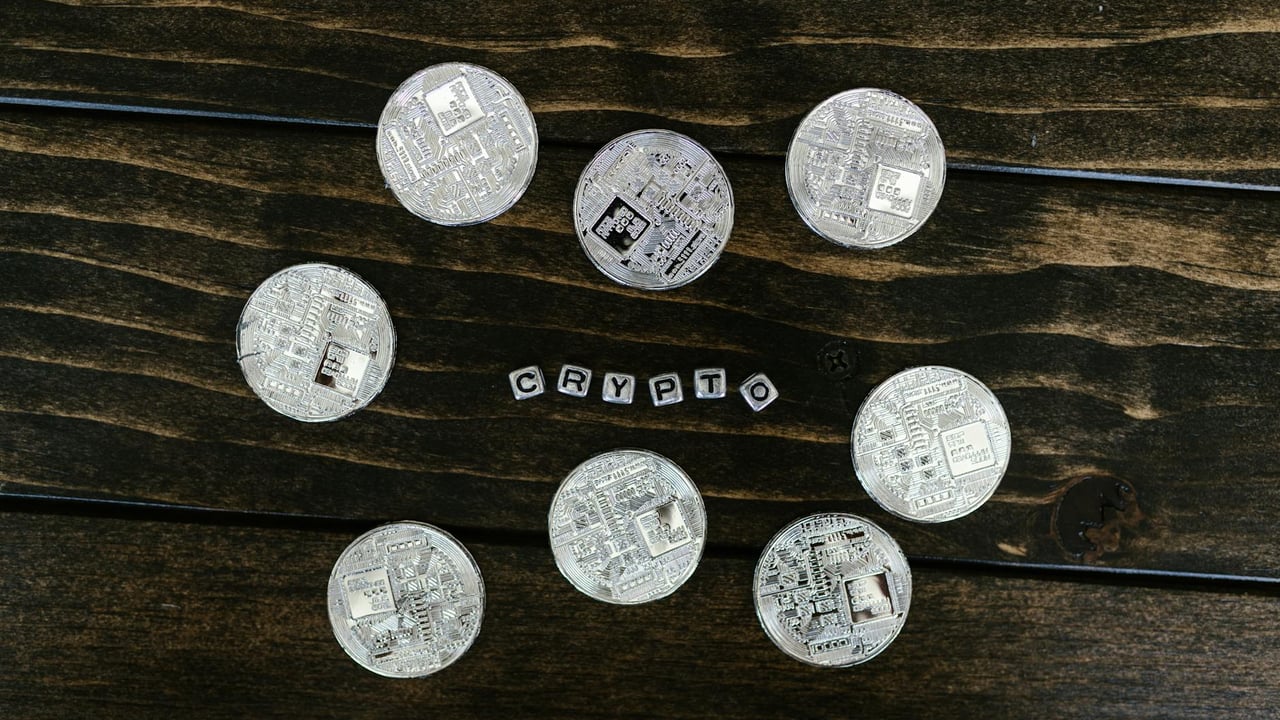

Global risk appetite reeled on Thursday as a cascade of losses hit commodities, equities and cryptocurrencies, forcing exchanges to tighten trading conditions and spotlighting the fragility beneath recent speculative rallies. Spot silver collapsed more than 20% in a single session, erasing a recent month-long rally, while bitcoin tumbled below $65,000 — roughly half its October peak — as traders rushed for the exits.
The rout rippled through broader markets. US indices closed lower with the Dow down 1.2% and the Nasdaq off 1.6%, led by sharp declines in big-cap technology names. Oil and other commodities slid, while European bourses also finished in the red. Rising initial margin requirements from major exchanges compounded selling pressure: CME raised initial margins for key COMEX gold and silver contracts, and the Shanghai Futures Exchange announced higher margin ratios and wider daily limits for several metal and base-metal contracts from February 9.
Exchanges framed the moves as standard risk-management responses to acute volatility, yet the timing and scale underscore the systemic effects of rapid, leveraged flows into narrow markets. Silver’s swift reversal — from double-digit gains over recent weeks to a plunge of more than 20% — increased margin calls across funds and retail products, prompting forced liquidations that amplified price moves.
Cryptocurrencies, long characterised by pronounced swings, were not spared. Bitcoin has now retraced roughly half its record high reached in October, and ether sank to levels not seen since late spring of the previous year. The four-month sell-off has inflicted heavy losses on crypto funds and retail holders, and the simultaneous stress in precious metals markets has raised questions about capital concentration and cross-asset contagion.
Policy and geopolitical headlines added to the jitteriness. Tehran sent its foreign minister to Muscat for nuclear talks with US representatives on Friday, a development markets watch closely for supply and risk implications; Washington publicly reiterated that a military option remains on the table. In the United States, President Trump’s push to replace rather than extend the New START arms-control framework contributed to the broader sense of geopolitical uncertainty.
In Beijing, a string of domestic developments reflected both normal economic management and regulatory tightening. Meituan announced a deal to acquire Dingdong Fresh for roughly RMB 5 billion (about $717 million), signalling further consolidation in China’s online groceries sector and a bet on logistics synergies ahead of the Lunar New Year reopening. Regulators also moved against a high-profile financial influencer, banning several of her accounts for alleged irregularities in fund marketing, reinforcing Beijing’s focus on curbing misleading retail investment advice.
Separately, Chinese authorities published multi-year plans that matter to market structure and industry growth: eleven ministries issued targets to digitise services for inbound visitors by 2027–2030, and eight ministries released a 2026–2030 plan to upgrade traditional Chinese medicine industry capacity and innovation. Such policy signals aim to smooth long-term structural adjustments even as short-term volatility tests market resilience.
For investors and policymakers the immediate lesson is familiar but stark: concentrated, leveraged positions in relatively illiquid corners of markets can trigger outsized moves, provoking defensive interventions from exchanges and regulators. Margin hikes and wider limits can arrest disorderly trading, but they also shift liquidity costs onto participants and can magnify knock-on effects for funds and retail products that hold similar exposures. The coming days — including the Chinese Spring Festival market shutdown and the outcome of diplomatic talks in Oman — will be critical in determining whether this episode is a painful correction or the start of a more protracted repricing.