
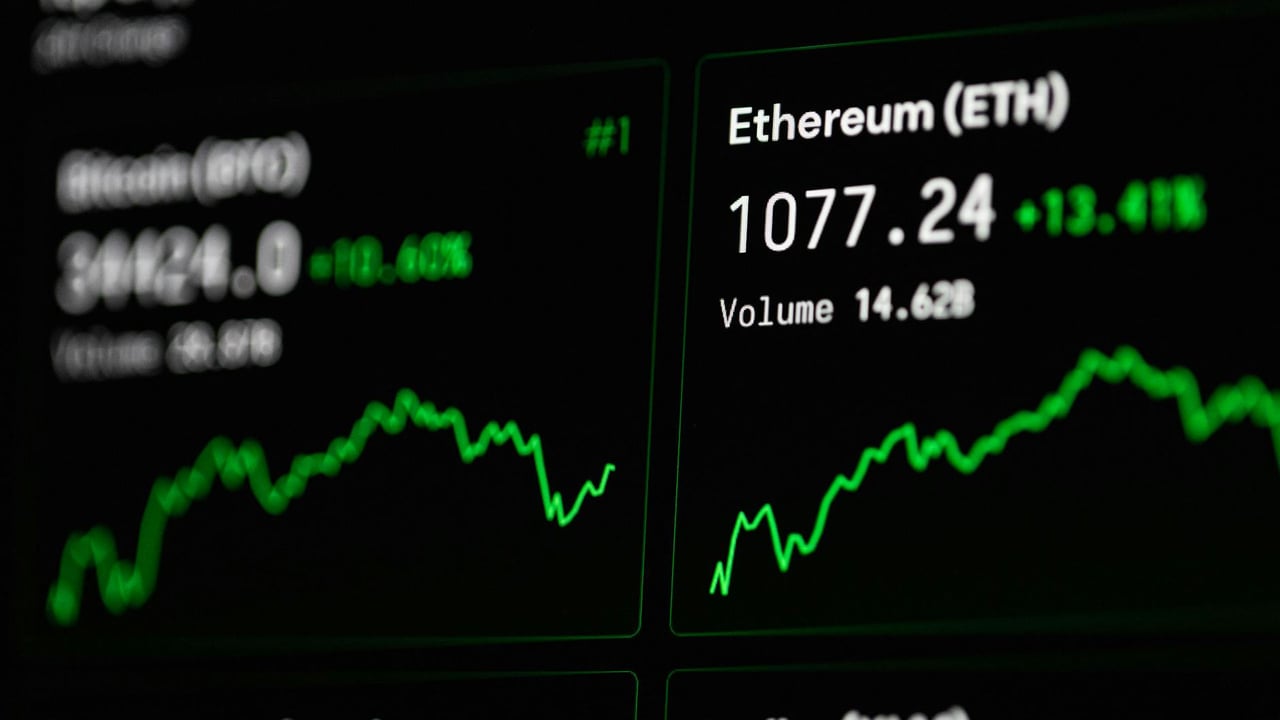

Bitcoin climbed back above $68,000 on Friday, extending a bounce that followed a sharp sell-off earlier in the week. The rebound interrupted a volatile spell in which leveraged positions were forced to unwind, amplifying price moves on the downside before buyers re-entered the market.
The move highlights the two-faced nature of crypto markets: deep liquidity at the best quotes can evaporate quickly under stress, but the asset still attracts fast-moving capital that can push prices sharply higher when sentiment shifts. Traders cited a combination of forced liquidations in derivatives markets and short-term technical triggers as the proximate cause of Thursday’s plunge, while bargain hunters and algorithmic strategies helped drive the recovery.
This episode matters beyond a mere headline print. The recurring pattern of violent drawdowns and rapid rebounds underscores how leverage, derivatives and concentrated liquidity pools now dominate price discovery in bitcoin. That structure raises the odds of “stop-run” moves—sharp declines that feed on themselves through liquidations—followed by equally swift recoveries when liquidity returns.
For institutional and retail participants alike, the immediate implication is heightened execution risk. Portfolio managers who treat bitcoin as a store of value or a portfolio diversifier must now weigh the asset’s asymmetric intraday behaviour against its longer-term narrative of adoption and macro hedging. Regulators and exchanges will also watch whether such swings trigger broader market contagion or require adjustments to margining and disclosure practices.
Whether Friday’s rally marks a sustainable upward leg or a technical bounce depends on several external factors. Continued inflows into regulated spot and futures products, a calmer macro backdrop and a decline in funding-rate stress would support further gains. Conversely, renewed macro volatility, tightened liquidity or a fresh round of deleveraging could quickly erase the uptick.
Investors should monitor futures open interest, funding rates and exchange flows as near-term indicators of market stress, and treat intraday moves as noisy even when they feed into a longer-term trend. The interplay between leverage-driven dynamics and broader adoption remains the defining characteristic of bitcoin’s price behaviour today.