

U.S. equity markets opened higher on Friday, with the Nasdaq rising 0.36%, the Dow Jones Industrials up 0.65% and the S&P 500 climbing 0.49%. The broad advance masked sharp divergences inside the market: while headline indices ticked upward, a major mega-cap shock rippled through technology stocks.
Amazon plunged more than 9% after unveiling a proposed $200 billion capital expenditure plan, a figure that prompted investors to reassess the company’s near-term cash generation and capital-allocation priorities. The market reaction reflected investor anxiety that such a large, multi-year outlay could compress free cash flow, reduce near-term returns to shareholders, and intensify scrutiny of Amazon’s investment effectiveness.
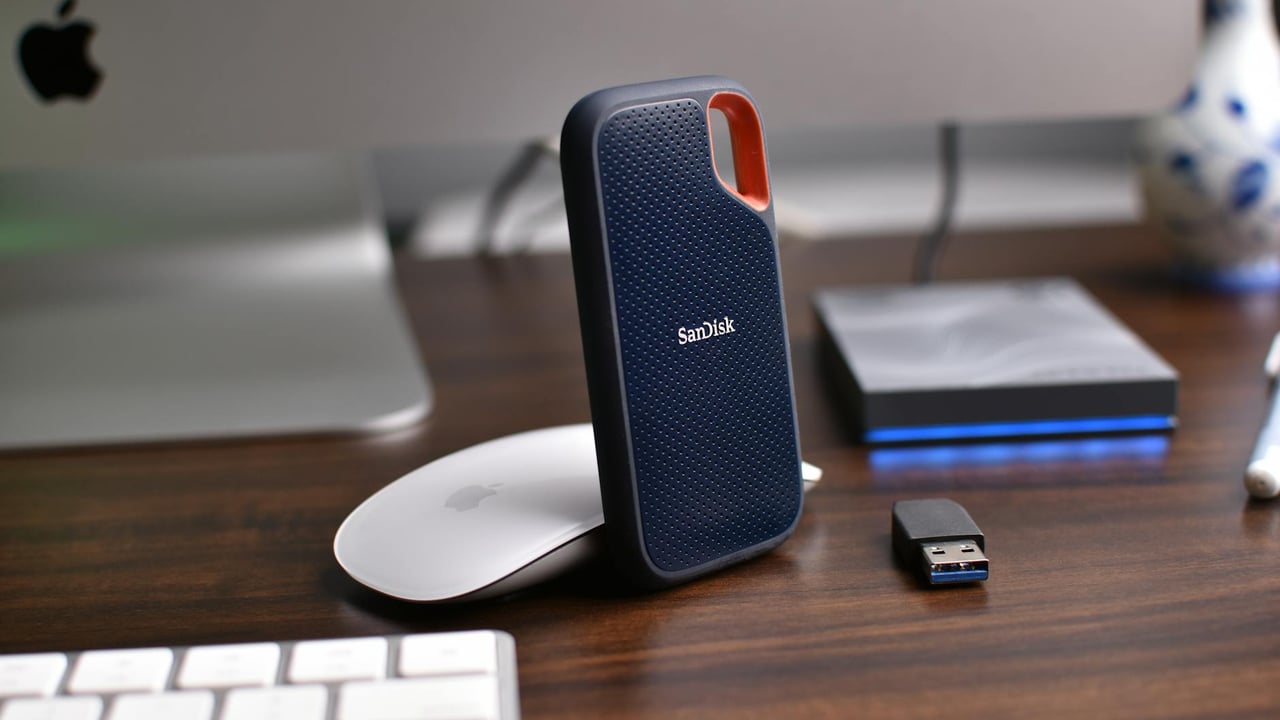
Paradoxically, shares of storage-related suppliers strengthened on the news. SanDisk jumped over 6% and Western Digital rose more than 3% as traders priced in a likely boost to demand for flash memory, solid-state drives and traditional storage hardware from cloud and data-centre buildouts. The sector move suggests market participants are parsing Amazon’s announcement not only as a corporate governance story but also as a signal of heavier infrastructure procurement across hyperscalers.
The episode highlights a broader market dynamic: headline indices can grind higher even as concentration risks and idiosyncratic volatility rise among tech giants. Investors face a binary set of questions — whether large capex commitments from cloud providers presage durable demand for components and suppliers, or whether those commitments signal profit trade-offs that justify sharp re-rating of the mega-caps themselves.
For suppliers of storage hardware the immediate outlook is constructive. A wave of data-centre expansion to service artificial-intelligence workloads, cloud services and streaming media would lift volumes for NAND, DRAM and HDDs, easing demand fears that have periodically pressured prices and margins. Yet elevated capex across hyperscalers also risks eventual overcapacity if investment outpaces realistic demand growth, potentially reintroducing cyclical pressures to supplier margins.
Investors and strategists will watch two things closely in the weeks ahead: the cadence and allocation of Amazon’s planned spending, and whether peers such as Microsoft and Google accelerate their own infrastructure programmes in response. The interplay between hyperscaler capex and component-supplier cycles will be a decisive factor for technology-sector performance throughout 2026.