
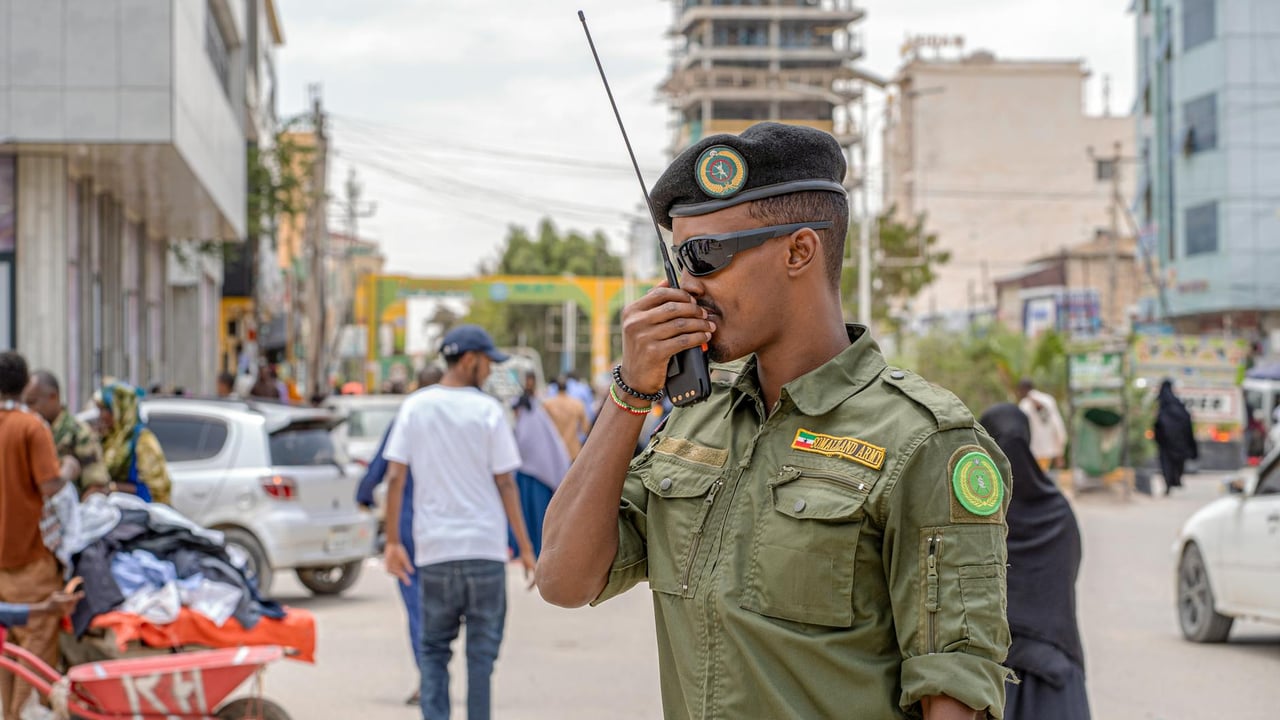

When Israel's surprise recognition of Somaliland as an independent state at the end of 2025 reverberated across the Horn of Africa, it landed on a country already struggling to piece itself back together. Somalia, which emerged from colonial partitions and a state collapse in 1991 to form its first effective central government only in 2012, now faces a fresh political shock that threatens to deepen divisions and invite new external interference.
The move by Jerusalem — the only United Nations member to publicly recognise Somaliland — prompted swift and strong condemnation from Mogadishu, which called the act a violation of Somali sovereignty and warned against any foreign military footprint on its soil. The announcement also drew threats from the Yemen-based Houthi movement, which declared any Israeli presence in Somaliland a legitimate military target, and prompted speculation in regional media that Israel seeks bases, airspace access and leverage against Houthi and Iranian maritime networks.
Somalia’s internal strains are acute. Somaliland has operated as a de facto autonomous polity since declaring independence in 1991 and controls five northwestern provinces. The federal system in Mogadishu remains brittle: ministries and local administrations contest authority, semi-autonomous regions such as Puntland, Jubaland and others press for wider autonomy, and election and governance deadlocks are common.
Security continues to be a major drag on stability and development. Al-Shabaab remains an active and lethal threat linked to global jihadi networks; the UN Security Council in December extended sanctions and authorisations targeting the group through 2026. That persistent insurgency complicates any effort to consolidate state authority, deliver services and attract sustained foreign investment.
External actors have long exerted outsized influence in Somalia’s politics. Turkey, the United Arab Emirates and Qatar have deployed aid, investment and security cooperation that sometimes deepens local fault lines. Israel’s new engagement in Somaliland adds another actor with distinct strategic aims — projecting influence in the Red Sea and Indian Ocean and countering Iranian-backed proxies — and risks turning parts of Somalia into a theatre for great-power competition.
On the ground in Mogadishu the signs are mixed. Journalists reported neighbourhoods rebuilt or under reconstruction, bustling fish markets and a university serving more than ten thousand students, alongside functioning mobile-payment systems and a lively informal economy. Yet the capital remains heavily militarised: checkpoints, armoured vehicles and machine-gun emplacements testify to the continuing fragility of everyday life and to the limits of recovery.
Somalia’s geographic advantages — long littoral access to the Indian Ocean, underexploited fisheries and port capacity, a large youthful population and a substantial diaspora — offer a realistic basis for economic revival. But realising that potential requires stable institutions, clearer centre–periphery arrangements, predictable security, and donors willing to convert diplomatic sympathy into coherent, long-term support.
The recognition of Somaliland sharpens the central dilemma for Somalia’s future. If unresolved, it may incentivise secessionist claims, invite foreign militarisation of Somali territory, and heighten regional tensions that imperil shipping through the Gulf of Aden. Conversely, coordinated international pressure and targeted support that reinforces reconciliation and governance reforms could still steer the country toward a more unified and prosperous trajectory.