
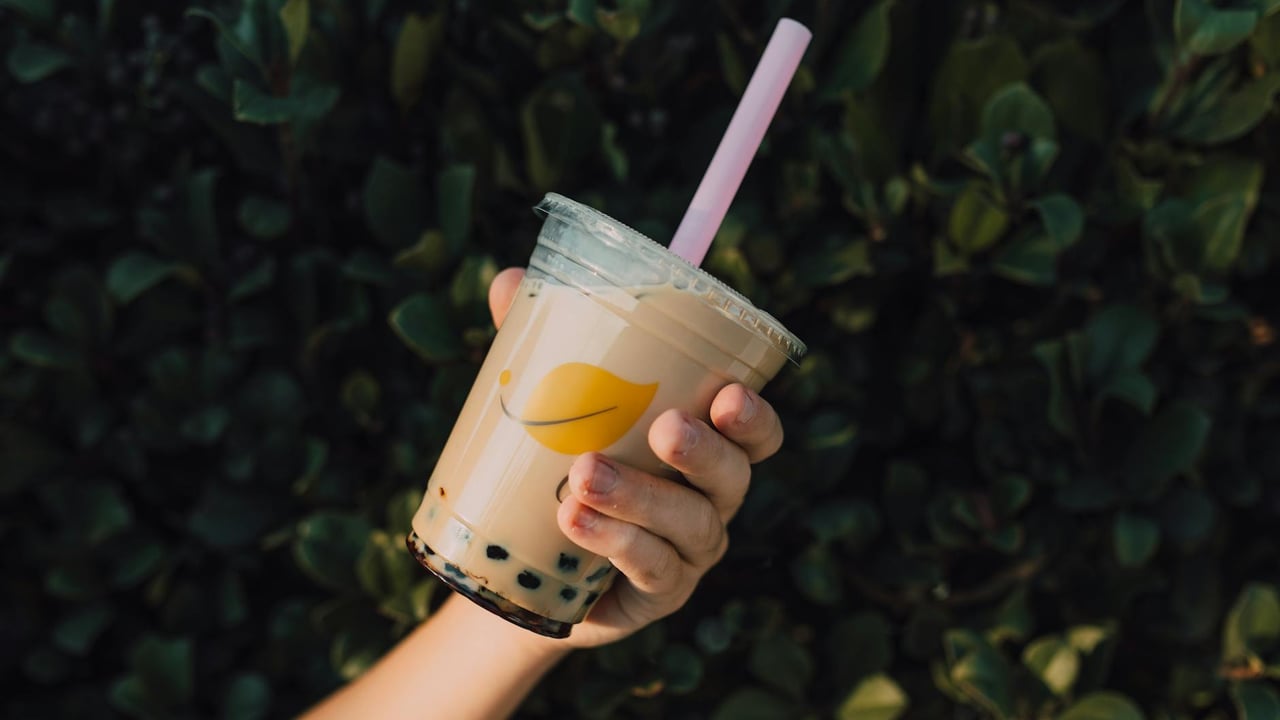

On Feb. 6 Alibaba’s consumer‑facing AI product Qianwen launched a headline‑grabbing “30 billion yuan free orders” promotion centred on free milk‑tea vouchers. The campaign produced viral demand: Qianwen’s own figures show orders climbing from a few hundred thousand within hours to roughly 10 million in nine hours, overwhelming its ordering and fulfilment systems and leaving many users unable to place or receive orders.
By the morning after the launch the app displayed messages saying merchants and delivery capacity were strained and orders could not be accepted. Qianwen moved quickly to assuage frustrated customers, extending the voucher expiry window from Feb. 23 to Feb. 28 and stressing that vouchers could be used not only for milk tea but for breakfasts, lunches and even groceries and New Year purchases.
The surge translated into near‑chaos on the ground. Tea‑shop managers reported multiplying staff and long backlogs: one Suzhou outlet said employees had already prepared more than 800 drinks — three times a normal day — and riders queued with dozens of orders to deliver. Several stores nationwide temporarily posted “closed” signs to clear accumulated orders, and some outlets ran short of raw materials. Delivery couriers in multiple cities described single shifts of 60 or more deliveries dominated by the promotion.
Markets reacted quickly to the stimulus: Hong Kong‑listed beverage names rallied intraday, with several tea chains posting gains and some reaching record highs. Retail analysts and industry insiders warned that while the campaign delivers enormous short‑term volume, the customers attracted by heavy subsidies may not represent durable demand for the brands that bore the operational cost.
Industry observers interpret the stunt as part of a broader strategic push by Alibaba to make Qianwen the “AI‑to‑consumer” gateway across its ecosystem. The app is already being linked to Taobao, Alipay and Amap, enabling users to ask the AI to order food, shop and book travel. By seeding frequent, low‑friction consumption moments such as tea purchases, Alibaba aims to normalise the habit of “ask AI” for everyday needs and to establish Qianwen as a primary interface to its services.
That strategy brings two immediate challenges. The first is logistics: platforms can buy traffic, but the physical networks of stores, kitchens and couriers must scale in real time. The second is quality and retention: customers drawn by near‑free offers tend to be promotional shoppers; converting them into loyal, higher‑margin users after subsidies end is difficult and costly.
For merchants the episode is a mixed blessing. Many shops enjoyed far higher volumes and extra cash from accessory items, but the strain on staff, supply chains and delivery slots was acute — and for small operators, a single overloaded day can disrupt weeks of planning and inventory. For riders, short‑term income gains from many extra trips sit beside longer hours and safety and fatigue concerns.
The Qianwen promotion is likely to be a blueprint for future AI‑led commerce stunts: heavy subsidy, rapid behaviour‑shaping intent, ecosystem integration and an expectation that logistics and merchants will absorb much of the friction. Regulators and industry participants will watch whether platforms invest more in smoothing fulfilment capacity or simply lean on partners to cope with demand spikes. The longer test will be whether Qianwen can turn a one‑off milk‑tea frenzy into a habitual, monetisable consumer relationship.