Xi Meets Military Veterans at CMC New‑Year Gala, Reinforcing Party‑Army Bonds

President Xi Jinping attended a Central Military Commission New‑Year cultural performance for retired senior officers on Feb. 6, delivering greetings to veterans nationwide. The ceremony underlines Beijing’s use of ceremonial politics to reinforce party control over the military and to shore up loyalty among retired cadres.

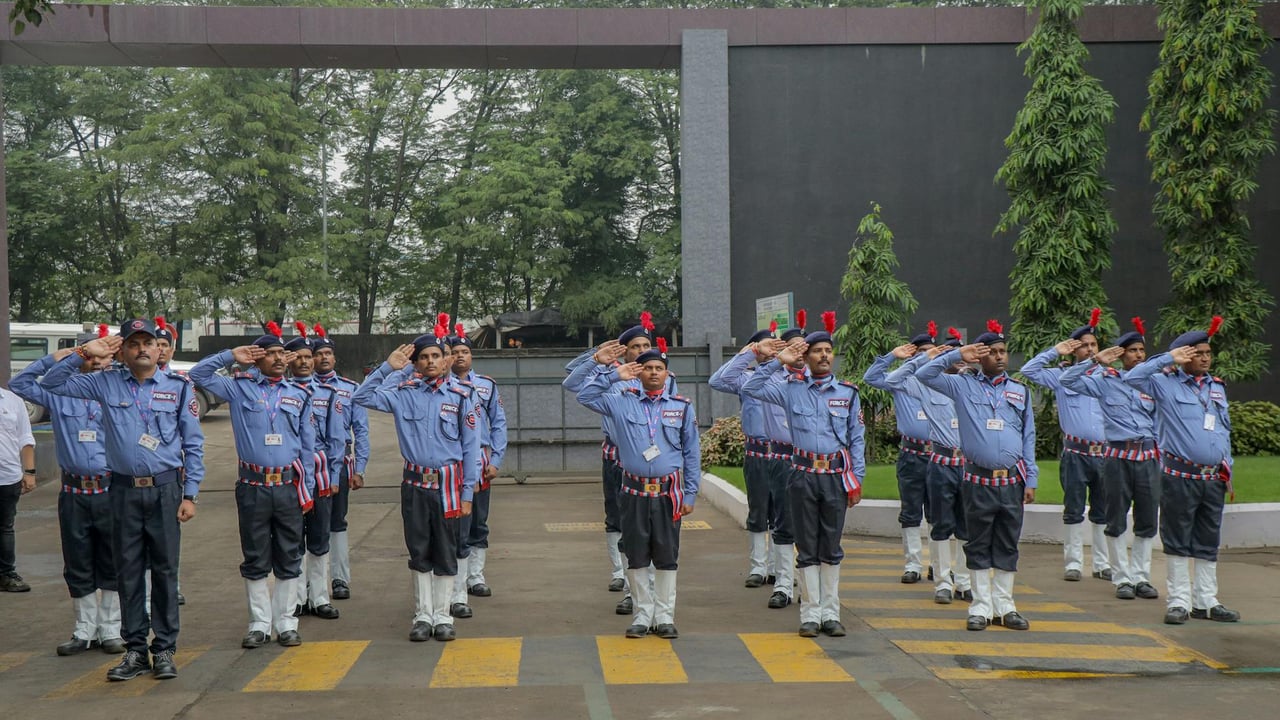
A group of uniformed personnel performing a salute outdoors, demonstrating discipline and unity.

Key Takeaways

  • 1Xi Jinping personally attended a CMC New‑Year gala for retired senior cadres at the China Theatre on Feb. 6.
  • 2He extended New Year greetings to veterans present and to retired military personnel across the PLA.
  • 3The event signals the leadership’s focus on veteran welfare and on consolidating party‑army loyalty.
  • 4Such rituals help stabilise relations with a cohort that can influence military opinion during periods of reform or external pressure.

Editor's
Desk

Strategic Analysis

The gala is more than a seasonal courtesy; it is a deliberate instrument of elite management. Retired senior officers remain an influential network—socially, politically and within the broader military community—and cultivating their goodwill complements material reforms and disciplinary measures aimed at the active forces. By staging visible acts of recognition, Xi underlines his personal stewardship of the armed forces and mitigates the risk that disgruntled veterans might become focal points for dissent. Looking ahead, China’s leadership is likely to combine symbolic outreach with concrete improvements in veteran benefits and commemoration programmes to maintain cohesion as the PLA pursues deeper technological and organisational change.

China Daily Brief Editorial
Strategic Insight
China Daily Brief

On the afternoon of Feb. 6, the Central Military Commission hosted a New‑Year cultural performance at the China Theatre to honor retired senior cadres of the Beijing garrison. Xi Jinping, in his capacities as General Secretary, head of state and chairman of the CMC, attended the event and offered seasonal greetings to the veterans present and to retired military personnel across the armed forces.

Such public appearances are a staple of Beijing’s ritual politics, combining ceremonial respect with a clear political message. By personally presiding over the gala Xi asserted the party leadership’s attention to the welfare and status of retired officers, reinforcing bonds of loyalty between the Communist Party and multiple generations of the People’s Liberation Army.

The event plays out against the broader backdrop of military modernisation and organisational tightening that have marked Xi’s tenure. High‑profile engagements with veterans serve not only to reward service but to stabilise the party’s relationship with a cohort that can influence opinion within the armed forces and among civilian constituencies, helping prevent fractiousness during periods of reform or geopolitical tension.

While the performance is primarily a domestic, symbolic gesture, it has outward implications as well: a visibly consolidated party‑army relationship projects internal cohesion at a time when Beijing faces strategic competition abroad. Expect similar pageants of loyalty and care for veterans to remain a recurring element of China’s political calendar as the leadership seeks to buttress its authority and the PLA’s unity.

Share Article

Related Articles

📰
No related articles found