
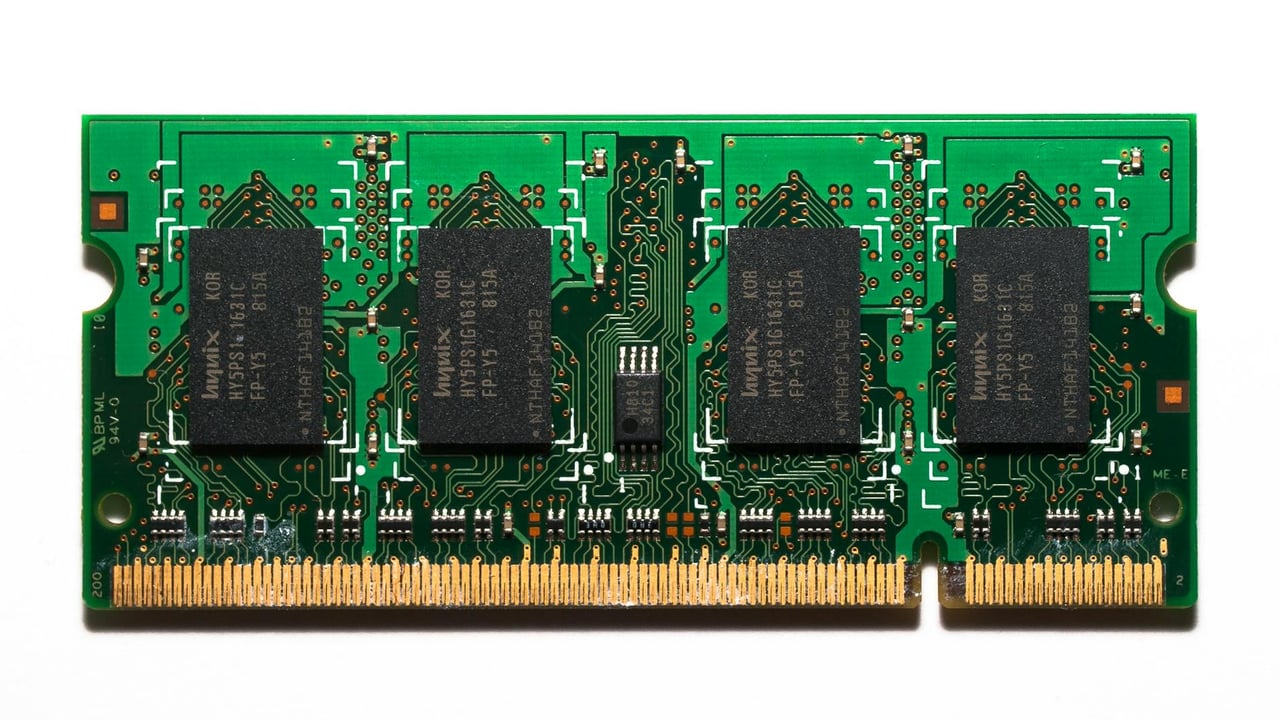

Market researcher Omdia has raised its revenue forecast for the global semiconductor industry, concluding that surging demand for memory chips and an acceleration in AI deployments will push industry revenue above $1 trillion by 2026. The firm identifies the cycle as storage-led: a powerful upswing centred on DRAM and NAND has re-entered an expansionary phase after a period of oversupply and weak pricing.
The upgrade reflects two linked dynamics. First, stronger-than-expected earnings in the second half of 2025 tightened supply and revived pricing in memory markets. Second, rapid roll-out of AI hardware — from datacentre accelerators to large-scale model training clusters — has amplified demand for high-capacity, high-performance storage, widening the gap between memory and non-memory segments.
That divergence matters. Omdia notes that growth outside memory remains modest, highlighting an increasingly concentrated cycle where a handful of product lines account for most incremental revenue. Early signs of strain are appearing further down the stack: rising memory prices have already translated into materially higher server bills, putting pressure on IT budgets in supplier countries and prompting buyers to re-evaluate procurement plans.
The commercial implications are broad. Memory suppliers stand to reap the bulk of near-term gains, prompting renewed capital spending on fabs and equipment, while logic-chip makers and analogue suppliers may see slower growth. At the same time, the memory-dominant rebound intensifies supply-chain vulnerabilities: production is geographically concentrated in South Korea, Taiwan and a few Chinese fabs, and geopolitical frictions or export controls could quickly reshape trade and investment decisions.
Looking ahead, the trillion-dollar milestone is conditional rather than permanent. Sustained expansion will depend on continued AI-driven demand, disciplined capital investment to avoid an oversupply hangover, and how national policies influence cross-border trade in chips, equipment and IP. Firms and policymakers should prepare for a more volatile, concentrated cycle even as the sector enjoys an infusion of cash and strategic attention.