US Releases Footage of Trump Envoy and Son‑in‑Law Aboard Carrier in Arabian Sea, Raising Protocol and Political Questions

The Pentagon released video showing a delegation including a former president’s special envoy and his son‑in‑law aboard the USS Abraham Lincoln in the Arabian Sea. The visit highlights tensions between public diplomacy, operational security, and the risk of politicizing military assets in a contested maritime theatre.

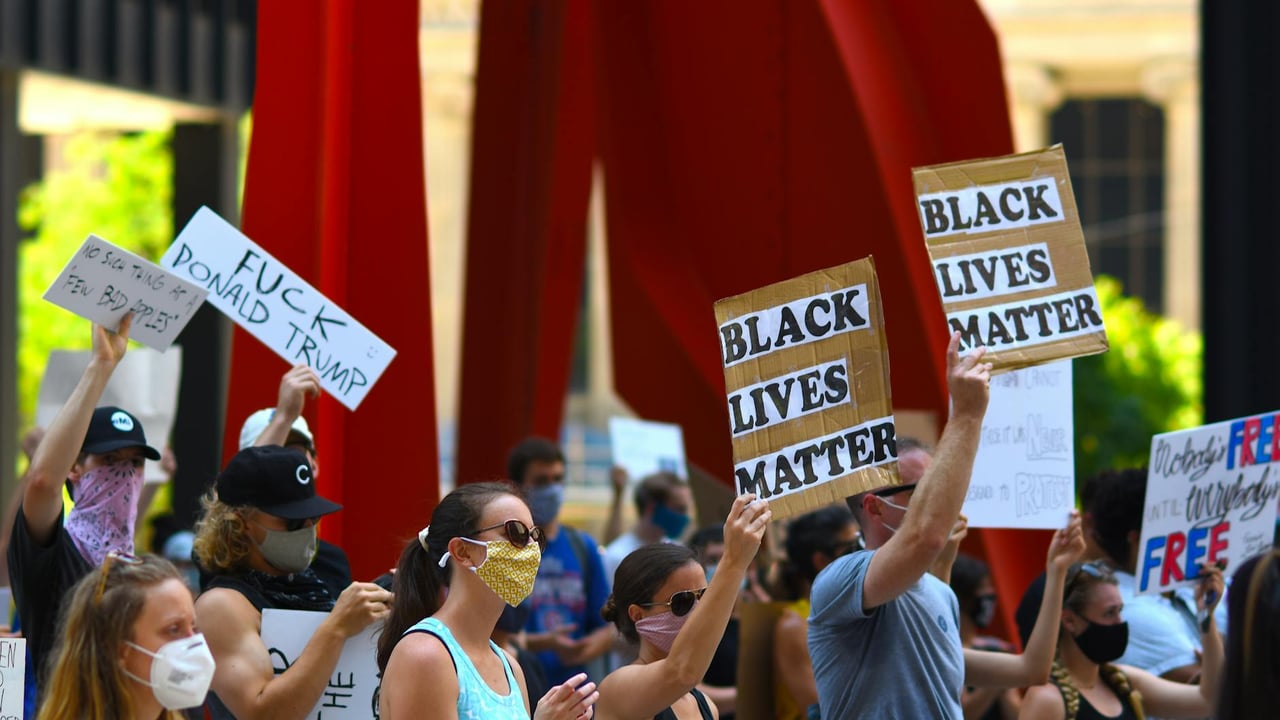
Protesters gather with signs supporting Black Lives Matter and denouncing Donald Trump in a peaceful rally.

Key Takeaways

  • 1The US military published footage of a delegation with Trump's special envoy and son‑in‑law aboard USS Abraham Lincoln in the Arabian Sea.
  • 2Visits by political figures to deployed warships are permitted but sensitive due to operational security and civil‑military norms.
  • 3The appearance serves as both a demonstration of US naval presence in a tense maritime region and a potential flashpoint for domestic debate over politicization of the military.
  • 4Observers will watch Pentagon procedures, regional reactions, and any domestic fallout that could affect future visitor policies or civil‑military relations.

Editor's
Desk

Strategic Analysis

This episode illustrates the friction between three imperatives: operational security, strategic signaling, and domestic political theater. On the one hand, a carrier visit can reassure allies and deter adversaries; on the other, it risks eroding norms that separate political actors from military instruments, particularly when those actors are partisan figures with ongoing political influence. In an era of intensified great‑power competition and frequent maritime incidents, preserving clear standards for civilian access to deployed forces is important to avoid inadvertent escalations and to maintain the credibility of deterrent postures. How the Pentagon documents and justifies the visit will matter as much as the visit itself: transparent adherence to established protocols can blunt accusations of misuse, while ambiguity or contradiction could amplify scrutiny and provide adversaries with propaganda fodder.

China Daily Brief Editorial
Strategic Insight
China Daily Brief

The US military has released video showing a delegation that included a former president’s special envoy and his son‑in‑law boarding the aircraft carrier USS Abraham Lincoln, which is deployed in the Arabian Sea. The footage, published by the Pentagon, captures the visitors touring the ship and interacting with sailors while the carrier operates in a region of heightened maritime tensions.

Carrier deployments in the Arabian Sea have become a recurring feature of US naval posture as Washington seeks to protect commercial shipping and deter attacks by regional proxies and insurgent groups. A high‑profile visit by political figures to a forward‑deployed warship therefore carries both tactical and symbolic weight: it is simultaneously a morale event for the crew and a public demonstration of American presence and resolve.

The appearance of a former president’s envoy and a close family member on an operational carrier also prompts questions about civil‑military boundaries and visitor protocols. US Navy regulations permit distinguished visitors, but they typically require clearance and an understanding of operational security constraints; the optics of political figures visiting an active unit can be sensitive, particularly when those figures retain partisan influence or campaign ambitions.

Internationally, the footage sends a clear message to competitors in the region that the United States continues to deploy high‑end naval assets to protect maritime lines and to respond to threats. Domestically, however, the visit risks feeding narratives about the politicization of the armed forces, especially if footage is used for political communication rather than routine diplomatic or ceremonial purposes.

What to watch next are reactions from the Pentagon and the White House on whether the visit adhered to standard procedures, any follow‑up statements from regional actors that might interpret the visit as a provocation, and whether the event becomes a focal point in broader debates over the role of political actors in military settings. How the Navy and civilian leaders handle those follow‑ups will shape both immediate public perceptions and longer‑term norms governing political figures’ access to military platforms.

Share Article

Related Articles

📰
No related articles found