
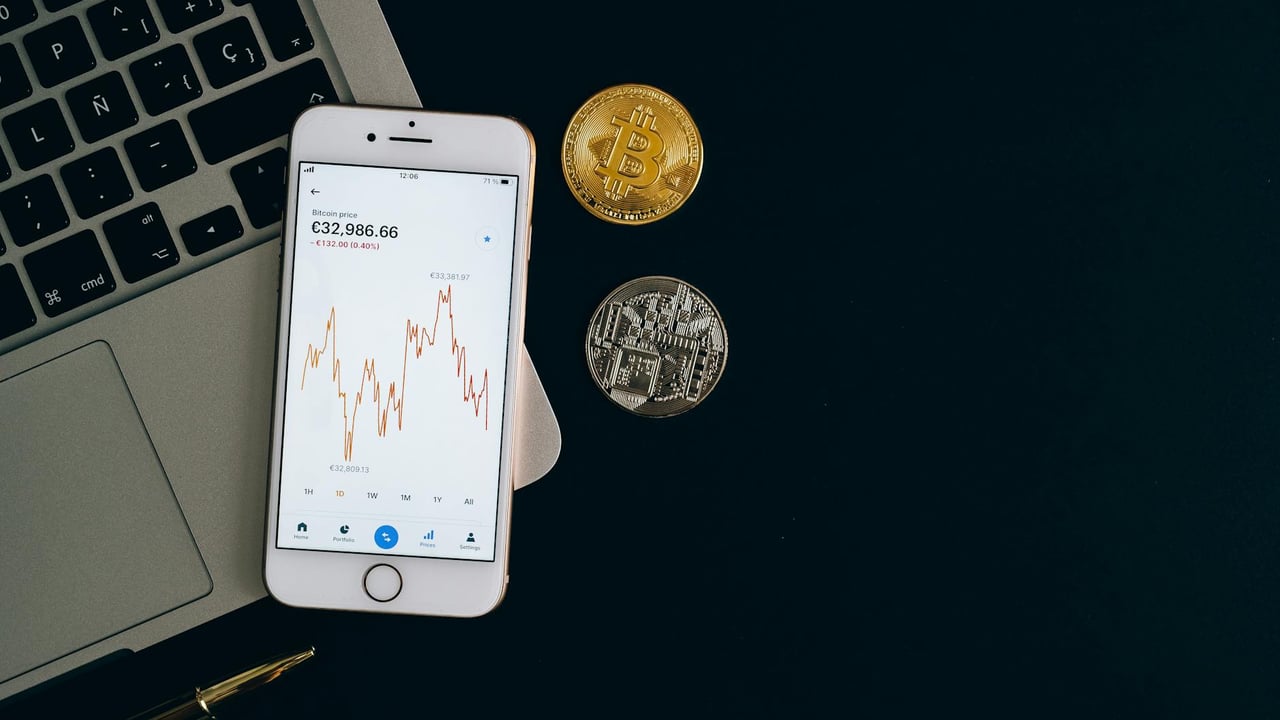

Bitcoin climbed to $71,000 on Sunday, a fresh high that extended a multi‑week rally in the world’s largest cryptocurrency. A post on Chinese platform NetEase recorded the price at $71,000.9, with a 24‑hour gain of 4.67 percent, underscoring renewed buying interest across spot and derivative markets.
The move marks a meaningful psychological milestone: the token has now cleared the ceiling that constrained it for years and is trading well above its previous highs from the early 2020s. That push reflects a combination of factors that have supported demand — abundant liquidity in global markets, renewed institutional allocation into digital assets, and a broader risk‑on mood that has lifted equities and commodity prices alike.
Practical drivers are familiar. Continued inflows into spot Bitcoin investment vehicles, persistent retail interest, and macro conditions that include softer US dollar dynamics have created fertile ground for crypto rallying. At the same time, attention from high‑profile private buyers and corporations maintaining or expanding treasury allocations has reduced the psychological cost of buying at elevated levels.
But high prices bring familiar caveats. Crypto markets remain structurally thin in places, heavily levered in others, and prone to sudden reversals when concentrated holders or leveraged positions liquidate. Episodes of trading errors and exchange outages have historically inflicted sharp, short‑lived drops; market participants should treat the current advance as fragile until flows and on‑chain metrics demonstrate sustained depth.
For Chinese readers and global investors alike, the signal is double edged. China’s official stance on cryptocurrency trading and mining remains restrictive, yet Chinese social platforms and media continue to register intense interest in price movements, reflecting the asset’s globalised market and the ease with which capital and information cross borders today.
Looking forward, the next phase will depend on whether institutional demand can be sustained and whether regulators in major jurisdictions respond with tightening or accommodation. A continued, orderly bid could further normalise crypto exposure in diversified portfolios, while a disorderly unwind would serve as a reminder that price gains in crypto often come with outsized swings.