
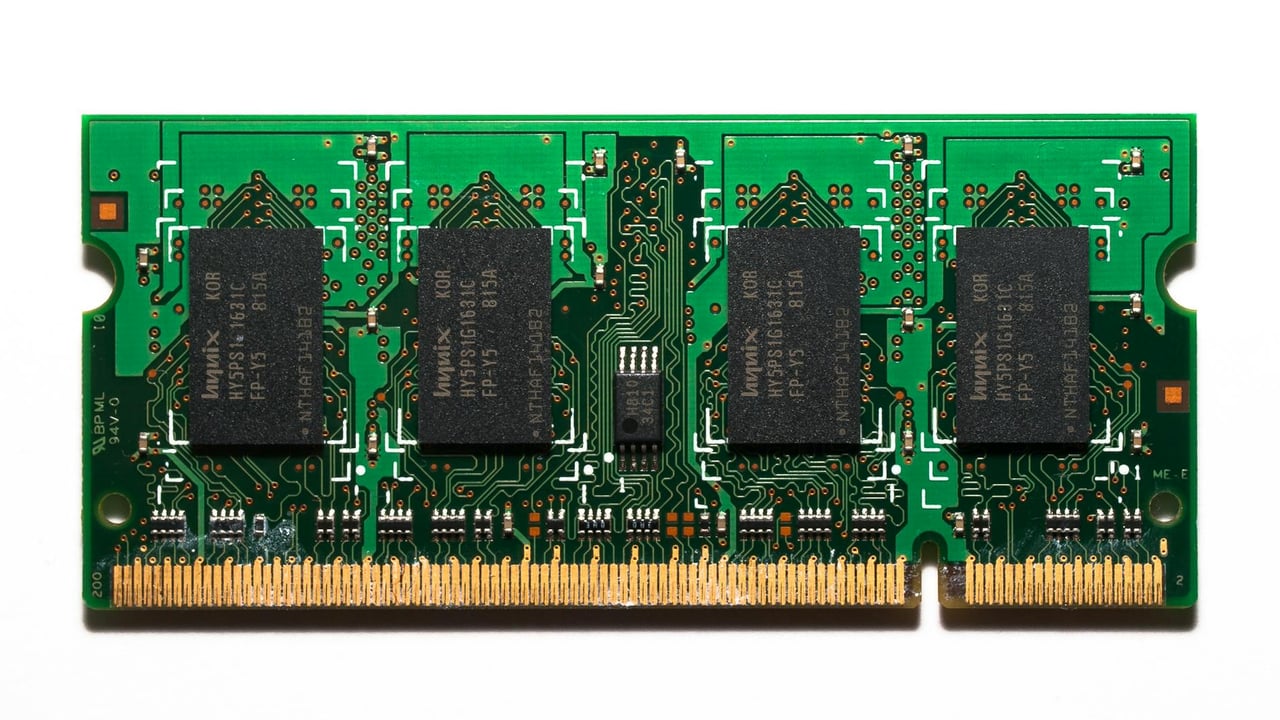

A fresh wave of price increases is rippling through the semiconductor supply chain. Since the start of 2026, vendors across memory, central processors, packaging and testing, and design services have issued formal notices raising prices, and equity markets have begun to price a synchronous recovery across the industry.
The immediate trigger is an explosive surge in AI compute demand that has outstripped available capacity, particularly in memory chips. Leading global semiconductor groups have announced aggressive capital expenditure plans focused on advanced logic and memory capacity expansion, signalling that demand is expected to remain elevated for the medium term.
Two structural forces are amplifying the squeeze. First, inventories in several analogue segments returned to healthy levels after the last cycle, but the sudden spike in AI-related compute needs has created acute shortages of memory components; at the same time, some tier‑one manufacturers are trimming legacy production, widening the supply gap. Second, rising prices for commodities such as gold, silver and copper have pushed up manufacturing input costs, prompting foundries and packaging/test providers to raise fees to defend margins.
The transmission of cost pressure along the entire value chain — from wafer fabrication through to final packaging — is noteworthy. Where previous upturns were concentrated in individual nodes, this episode involves simultaneous price adjustments across upstream and downstream players, a dynamic investors and corporate planners read as the industry moving from a patchwork structural boom to a broader cyclical recovery.
For customers higher up the electronics stack, the implications are immediate. Original equipment manufacturers face higher bill‑of‑materials costs that could compress margins or be passed on to consumers, depending on competitive dynamics. For chipmakers and capital equipment suppliers, the environment offers a clearer revenue runway, though the benefit depends on how quickly new capacity comes online.
The outlook is not unambiguously favourable. Capacity additions for advanced logic and high‑density memory take years to materialise, so shortages and price volatility could persist in the short to medium term. Commodity prices remain exposed to macro and geopolitical shifts, and sustained margin pressure could attract regulatory scrutiny or force firms to rework contracts and inventory strategies.
Geopolitics and industrial policy will shape how this cycle plays out. National initiatives to onshore semiconductor production and incentives for domestic fabs will accelerate investment flows, while export controls and technology restrictions could redirect capacity and influence which firms capture the gains from higher prices. Market participants should watch inventory levels, capital‑expenditure execution and commodity trends as the decisive indicators for whether the industry’s upswing will stick.