
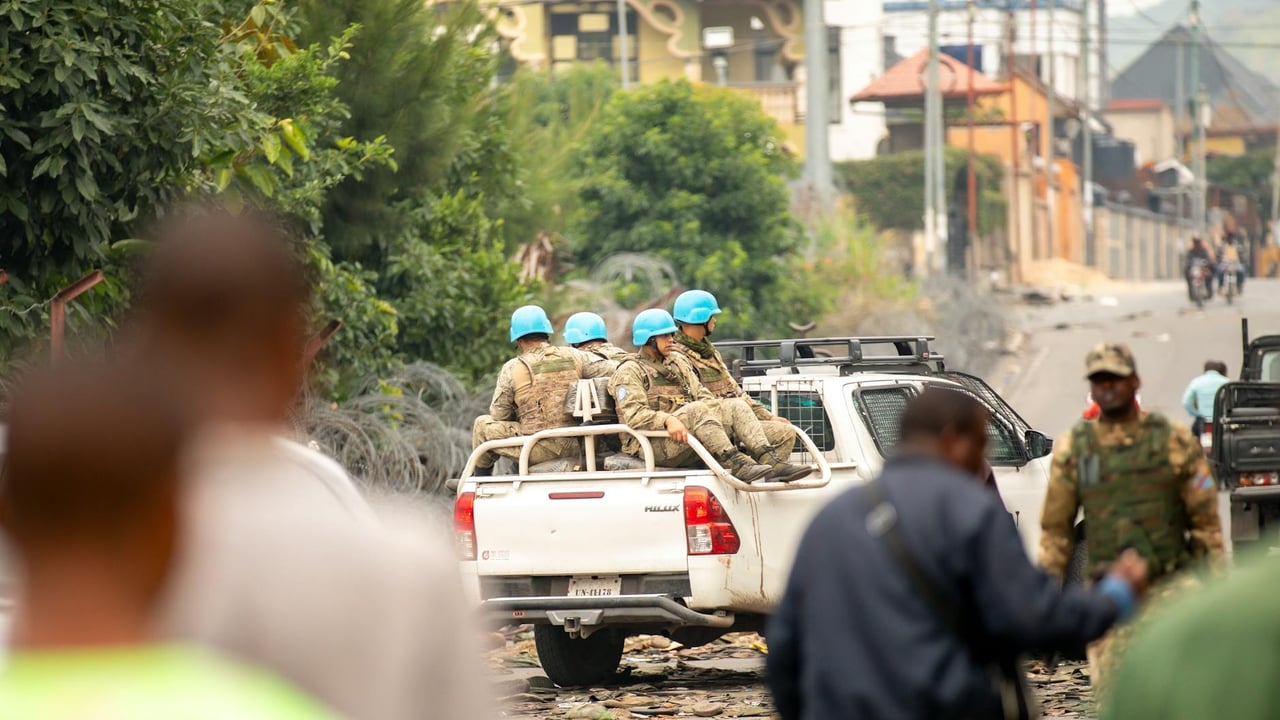

On the morning of February 4, China's sixth helicopter detachment assigned to peacekeeping duties in Abyei staged a near-hour-long, unscripted emergency defence drill inside its super-camp after a base alert was sounded. The exercise unfolded against a backdrop of repeated mass incidents in the mission area and was designed to test responses to sudden armed spillover and crowd violence that could threaten the camp and its flight operations.
Commanders deliberately avoided a fixed scenario and inserted multiple, changing contingencies to replicate a high-threat environment. Drills focused on defending the camp gate, repelling simulated assaults, and exercising rapid-response procedures by ad hoc emergency teams—an operational focus that highlights the particular vulnerability of static bases to both organised and spontaneous attacks.
The detachment's commander, Zhao Hui, framed the exercise as a response to a deteriorating security picture around Abyei. He said the drill sought to validate troops' handling of emergencies such as attacks on the perimeter and to reinforce guard and defensive measures that protect both personnel and aviation assets.
Abyei is a long-standing flashpoint on the Sudan–South Sudan border and the headquarters area for the UN Interim Security Force for Abyei (UNISFA). The Chinese helicopter unit provides transport, medical evacuation and logistical support across a wide, contested territory; rising frequencies of mass incidents have complicated these high-tempo flight missions, increasing the operational risk to crews and to the livelihoods of civilians the mission serves.
Beijing’s decision to run unscripted, realistic drills reflects a dual imperative: to protect Chinese personnel and assets in a dangerous environment, and to demonstrate that its peacekeeping contingents can operate under stress. The detachment headquarters reported rapid contingency planning, tighter integration of combat resources, expanded intelligence channels and more intensive situation assessment as immediate measures to preserve mission continuity.
For the wider UN operation, the exercise underlines a broader trend in peacekeeping: protecting mobile and high-value platforms—especially helicopters—has become central to mission sustainability where lines between civil unrest and armed conflict blur. China's action also serves a signalling purpose, reassuring domestic and international audiences that its growing expeditionary footprint in Africa is backed by pragmatic force-protection measures.
The drill is simultaneously an operational rehearsal and a strategic message. It shows the practical limits peacekeepers face in Abyei, underscores the importance of force-protection training for contingents from all contributors, and signals Beijing’s willingness to commit capable assets to sustain UN operations in high-risk theatres.