
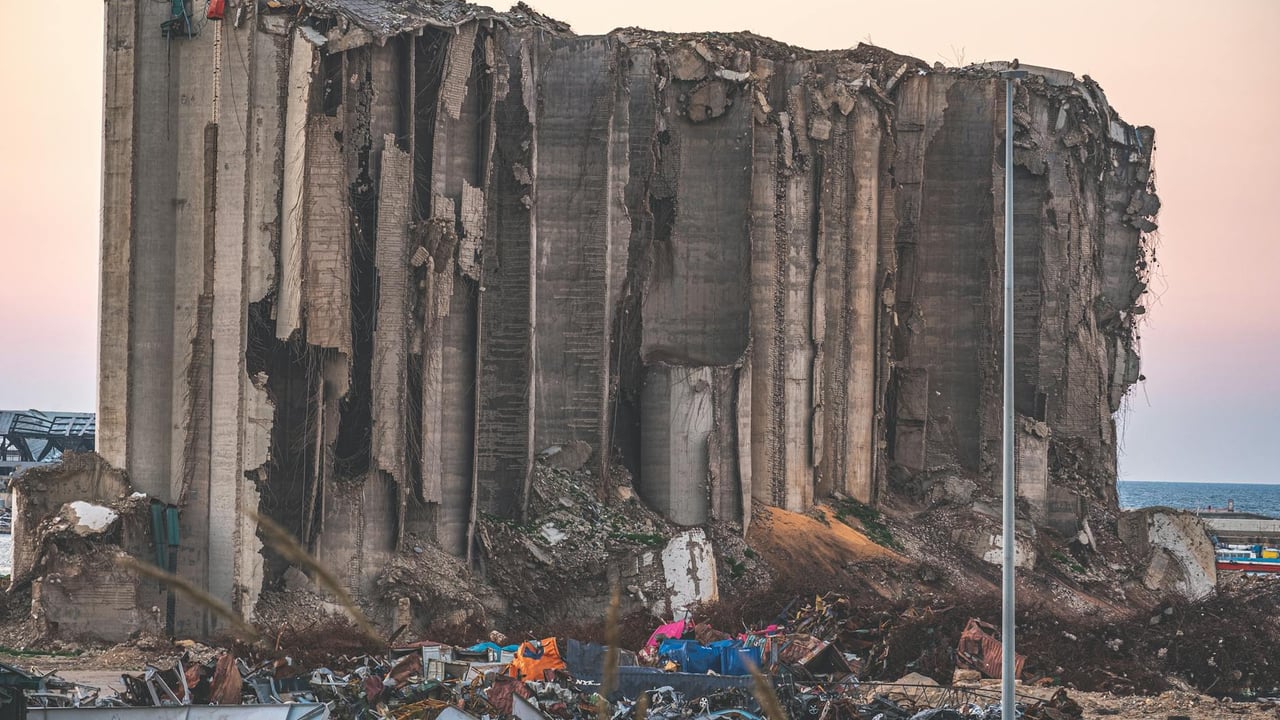

A residential building in the northern Lebanese city of Tripoli collapsed on 8 February, killing five people and prompting a search-and-rescue operation that has so far pulled eight survivors from the rubble. The Lebanese National News Agency confirmed the fatalities while state media published photographs from the scene taken by Xinhua photographer Khalid Habbashti, showing emergency teams working amid concrete debris.
The structure, described by local authorities as an older apartment block, gave way in a densely built neighbourhood of a city long associated with economic hardship. Rescue workers and volunteers have been combing through unstable floors and collapsed stairwells; municipal crews are assessing the risk to adjacent buildings and coordinating temporary shelter for displaced residents.
The collapse will resonate beyond this single tragedy because Tripoli epitomises the strains on Lebanon’s urban housing stock after years of economic collapse. Since 2019 the country has seen a near-total devaluation of the currency, deterioration in public services, and an acute squeeze on household incomes—factors that make routine maintenance unaffordable for many landlords and tenants and weaken municipal enforcement of safety standards.
The incident also recalls wider governance failures exposed by previous disasters, including the 2020 Beirut port explosion, which laid bare regulatory lapses and the state’s limited capacity to safeguard built environments. Older, poorly maintained buildings in low-income neighbourhoods are particularly vulnerable: they concentrate risk among those least able to relocate, amplifying the humanitarian consequences of structural failures.
In the immediate aftermath, authorities must manage both rescue operations and the humanitarian needs of survivors, while investigators determine cause. Politically, the collapse risks accelerating public anger over long-standing neglect by local and central authorities, and could focus demands for systematic inspections and emergency funding for repairs—requests that collide with Lebanon’s constrained public finances.
For international observers, the collapse in Tripoli is a reminder that Lebanon’s crisis is not only economic and political but infrastructural. As officials prepare damage assessments and possible relieves for affected families, attention will turn to whether short-term responses can be translated into durable reforms to reduce the risk of further tragedies.