Clashes in Sydney as Israeli President’s Visit Exposes Australia’s Deep Divide

Israeli President Isaac Herzog's visit to Sydney provoked protests and clashes with police as demonstrators sought to enter a restricted area, prompting Prime Minister Anthony Albanese to voice shock at the violence. The episode highlights polarized Australian views on Israel and raises questions about domestic cohesion and diplomatic priorities.

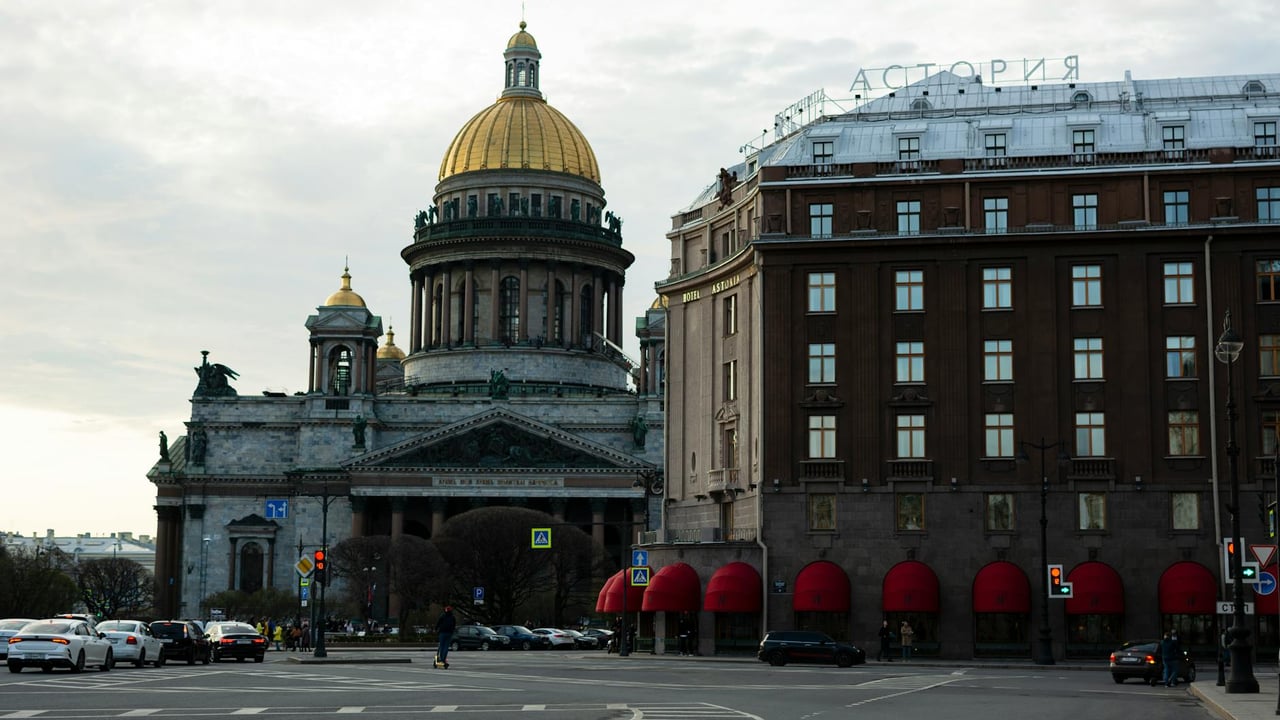
St. Isaac's Cathedral and Hotel Astoria captured in the heart of St. Petersburg, Russia.

Key Takeaways

  • 1Israeli President Isaac Herzog began a four-day visit to Australia on Feb 9, including a memorial for Bondi Beach shooting victims.
  • 2Protests in Sydney and other cities turned confrontational when police blocked demonstrators from a restricted zone and used pepper spray on crowds that included journalists.
  • 3Prime Minister Anthony Albanese said he was "shocked" by the violent scenes and emphasized the right to peaceful protest and the existence of an approved march route.
  • 4The visit has polarized Australian society: supporters view it as supportive of the Jewish community and bilateral ties, while opponents cite Israel’s policies toward Palestinians and over 1,000 Australian Jews signed an open letter calling Herzog unwelcome.

Editor's
Desk

Strategic Analysis

The incident is a microcosm of an increasingly difficult diplomatic balancing act: democratic governments must protect visiting leaders and maintain bilateral relations while responding to robust public debate over contentious foreign-policy issues. For Canberra the immediate risks are political and social — scrutiny of policing tactics, strain within multicultural communities, and pressure from activist constituencies. Diplomatically, the government will need to manage optics so that bilateral ties are not derailed by domestic unrest, while preparing for the possibility of more protests during high-profile engagements. In the medium term, tensions like these can harden domestic political positions and complicate Australia’s ability to act as an honest broker on Middle East issues.

China Daily Brief Editorial
Strategic Insight
China Daily Brief

Israeli President Isaac Herzog arrived in Sydney on February 9 for a four-day state visit intended to commemorate victims of a Bondi Beach shooting and to recalibrate strained bilateral ties. His arrival sparked demonstrations across Sydney and other Australian cities, and clashes erupted when police moved to prevent protesters from entering a designated exclusion zone.

Scenes of disorder unfolded on the evening of February 9, with law enforcement using pepper spray against crowds that included protesters and members of the press. Australian Prime Minister Anthony Albanese said he was "shocked" by the violent scenes and reiterated that Australians should be able to express their views peacefully; he noted that police had published an approved march route beforehand.

Herzog framed the trip as a mix of mourning, outreach to victims' families and an effort to reassure and strengthen relations with Australia’s Jewish community. But the visit has exposed deep splits in Australian public opinion: supporters say it will buoy local Jewish communities and help reset diplomatic relations, while opponents, citing Israel’s policies toward Palestinians, staged protests in multiple regions and more than 1,000 Australian Jews signed an open letter declaring Herzog "unwelcome."

The disturbances underscore a broader political dilemma for Canberra: how to balance formal diplomatic ties with Israel and its security arrangements while responding to significant domestic criticism over Palestinian rights and regional conflict. The immediate fallout will test Albanese’s handling of public order and free expression, and it may shape the tone of bilateral engagement and community relations in the weeks ahead.

Share Article

Related Articles

📰
No related articles found