
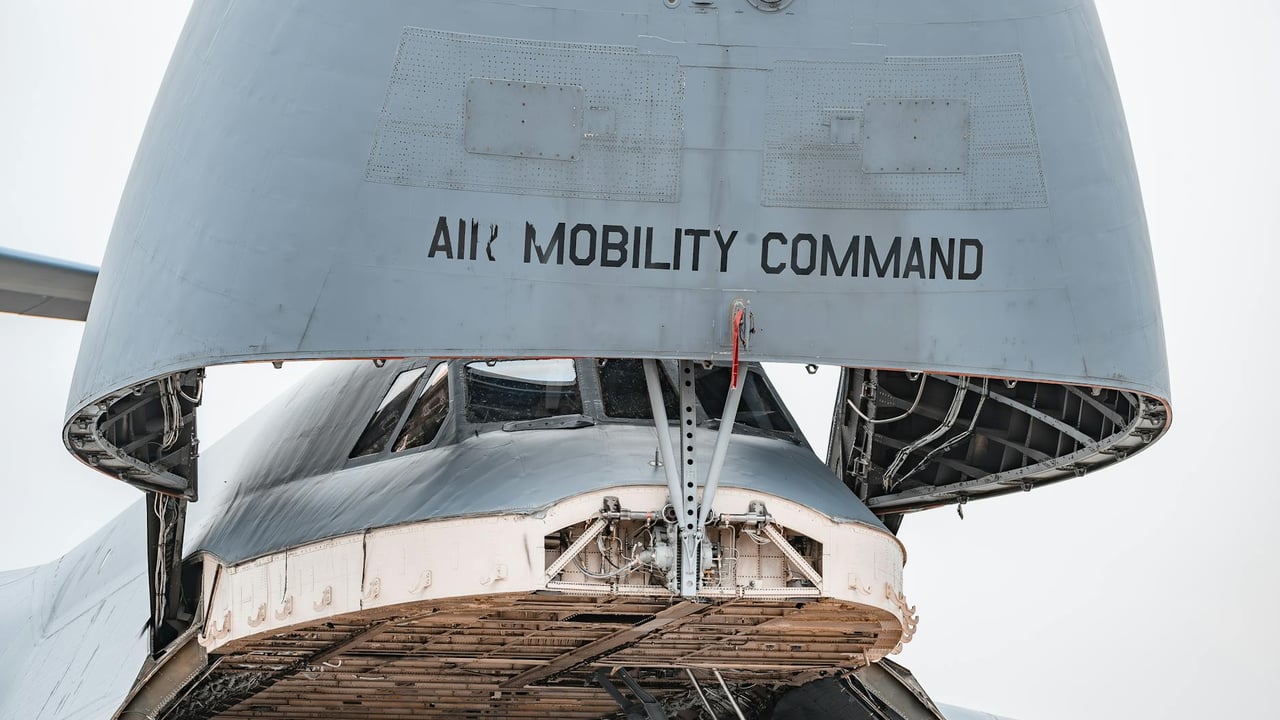

The United States is planning to deploy roughly 200 soldiers to Nigeria to train that country’s military in operations against Islamic State-linked militants, Reuters reported, marking the first acknowledged ground presence in Nigeria since U.S. airstrikes inside the country in late 2025. A U.S. official said the reinforcements would bolster a small number of American personnel already working with Nigerian forces, but the Pentagon’s Africa command did not immediately comment.
The deployment, described as a training and advisory mission, signals a more visible U.S. footprint in West Africa’s mounting counterterrorism campaign. U.S. Africa Command chief Dagvin Anderson had earlier acknowledged a small detachment in Nigeria without giving details, and President Trump publicly touted U.S. strikes against extremist positions in Nigeria on December 25, 2025, a campaign Abuja confirmed involved U.S. intelligence and strike support.
Nigeria has battled a violent and fragmented Islamist insurgency for more than a decade, with Islamic State’s West Africa Province (ISWAP) and remnants of Boko Haram entrenched in the northeast and newer extremist activity spreading into the northwest. Abuja’s security forces have struggled with capacity, coordination and occasional human-rights controversies, which partly explains why Nigerian authorities have sought outside training and intelligence assistance.
For Washington, the move fits a broader pattern of targeted, low-footprint interventions aimed at degrading affiliate groups rather than reestablishing large-scale combat deployments. Yet even modest advisory teams can become politically sensitive: they raise questions about Nigerian sovereignty, the potential for mission creep from training to direct action, and how domestic audiences in both countries will perceive U.S. involvement.
Operationally, success will hinge on the quality of training, the integrity of Nigerian units, and effective intelligence-sharing. If the U.S. contingent remains limited to advisory roles, it may strengthen local capacities without triggering major backlash, but the reality on the ground—fragmented militias, porous borders and competing regional actors—means the outcome is uncertain and could prompt further escalation or additional strikes if extremist threats persist.