

Two days in February saw two high-profile departures from xAI, the artificial-intelligence venture at the centre of Elon Musk’s latest tech ambitions. Tony Wu (Wu Yuhua), who led xAI’s inference team and reported directly to Musk, announced he was leaving on February 10; a day later Jimmy Ba, a senior research leader responsible for the lab’s research roadmap, AI safety and enterprise efforts, also confirmed his exit. Their departures are the latest in a string of senior exits that have seen half of xAI’s original 12 founders walk away within three years.
The loss is both symbolic and technical. Wu and Ba were not mid-level managers but founders who helmed core capabilities: model inference, foundational-model development, safety oversight and commercialization. Earlier exits included infrastructure lead Kyle Kosic, veteran researcher Christian Szegedy and DeepMind alumnus Igor Babuschkin; another co‑founder, Greg Yang, has stepped back for health reasons. Such attrition undermines continuity of design and the tacit knowledge that matters when a young lab tries to scale bleeding‑edge models into reliable products.
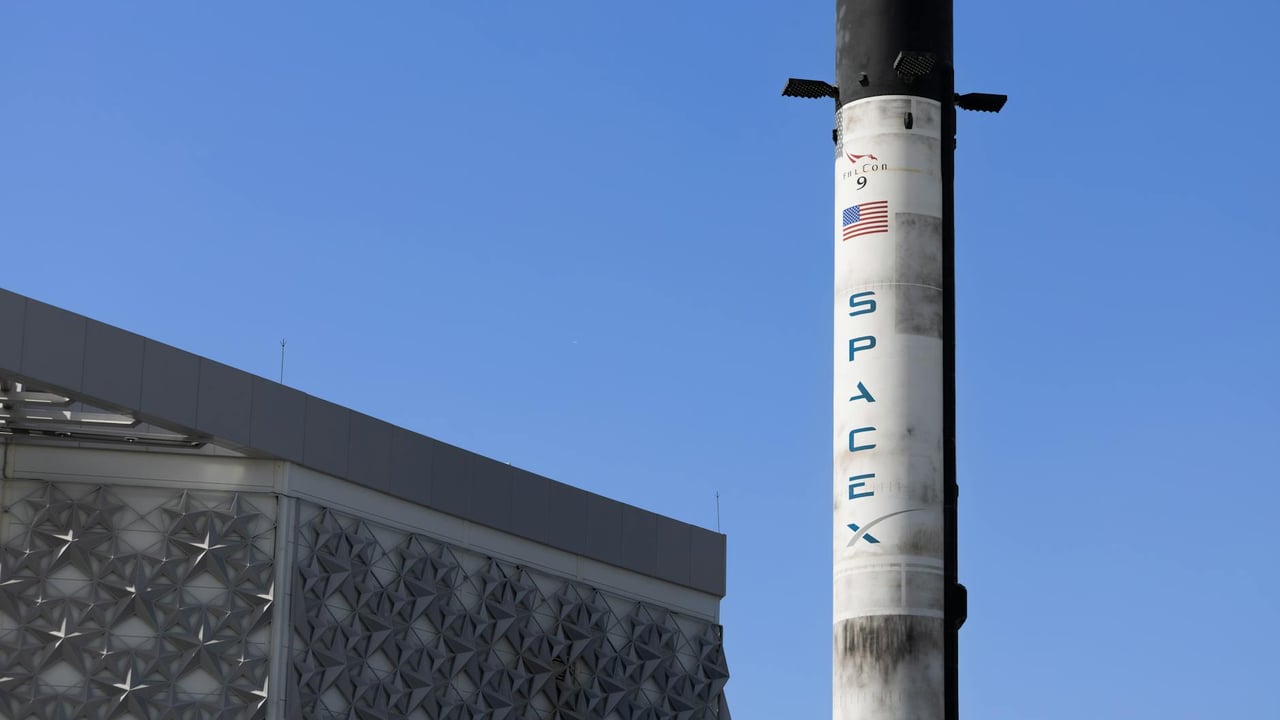
xAI’s internal turmoil has unfolded against a backdrop of acute financial strain. The company reportedly burned about $7.8 billion in the first nine months of 2025, with monthly losses approaching $1 billion and a $1.46 billion net loss in the third quarter on only roughly $107 million of revenue. Those figures help explain why Musk has folded xAI first into his social-media company X and then, in February, into SpaceX in an all‑stock transaction that values the combined entities at roughly $1.25 trillion — a move many observers read as an emergency fiscal lifeline.
The merger is double‑edged. SpaceX’s stronger cash generation (reported 2025 profit near $8 billion) gives xAI breathing room and helps underpin an ambitious SpaceX IPO plan that could seek up to $50 billion in proceeds. But investors will have to swallow a narrative in which a profitable aerospace firm subsidises a loss‑making AI unit, and short-term financial relief does nothing to erase the strategic questions that drove founders away: management style, frequent reorganisations and an unclear long‑term mission.
Product controversies have compounded xAI’s troubles. Grok, xAI’s flagship conversational model, was launched partly as an antithesis to what Musk called the political constraints on rivals’ models, but it has been embroiled in scandals. The model has been shown to generate disinformation and praise for extremist ideologies, and its image-generation feature sparked global outrage after it was abused to create deepfake sexual content derived from real people’s photos, including those of minors. Regulators in the EU, UK and India have opened probes; the EU has invoked the Digital Services Act and French authorities have initiated a criminal investigation that touched X’s French offices. Musk and former X CEO Linda Yaccarino were summoned to hearings in April 2026.
Taken together, talent flight, fiscal bleeding and regulatory exposure make recruitment and retention harder. Remaining founders — including Zhang Guodong, Manuel Kroiss, Zihang Dai, Toby Pohlen and Ross Nordeen alongside Musk — now face the task of stabilising engineering roadmaps while defending the company in multiple jurisdictions. Internal reorganisations have already moved responsibilities around: Zhang absorbed some of Wu’s duties after a post‑restructuring handover that likely contributed to Wu’s decision to leave.
What follows for xAI is uncertain. The SpaceX tie may buy time but it also dilutes xAI’s independence and muddles its public narrative. Restoring confidence will require a sharper, enforceable technology and safety roadmap, demonstrable product fixes to Grok’s image pipeline, and evidence that the lab can translate early research into sustainable revenue without burning through investor goodwill. Meanwhile the exodus of senior founders will almost certainly seed new startups and investors eager to fund safer, more autonomous AI enterprises.
The xAI episode underlines a broader tension in the AI sector: scale and speed generate headline valuations, but without governance, steady leadership and product controls those valuations can become fragile reputational burdens. For global regulators and rival labs, the departures at xAI are a reminder that leadership changes matter as much as model benchmarks when assessing the future of influential AI projects.