
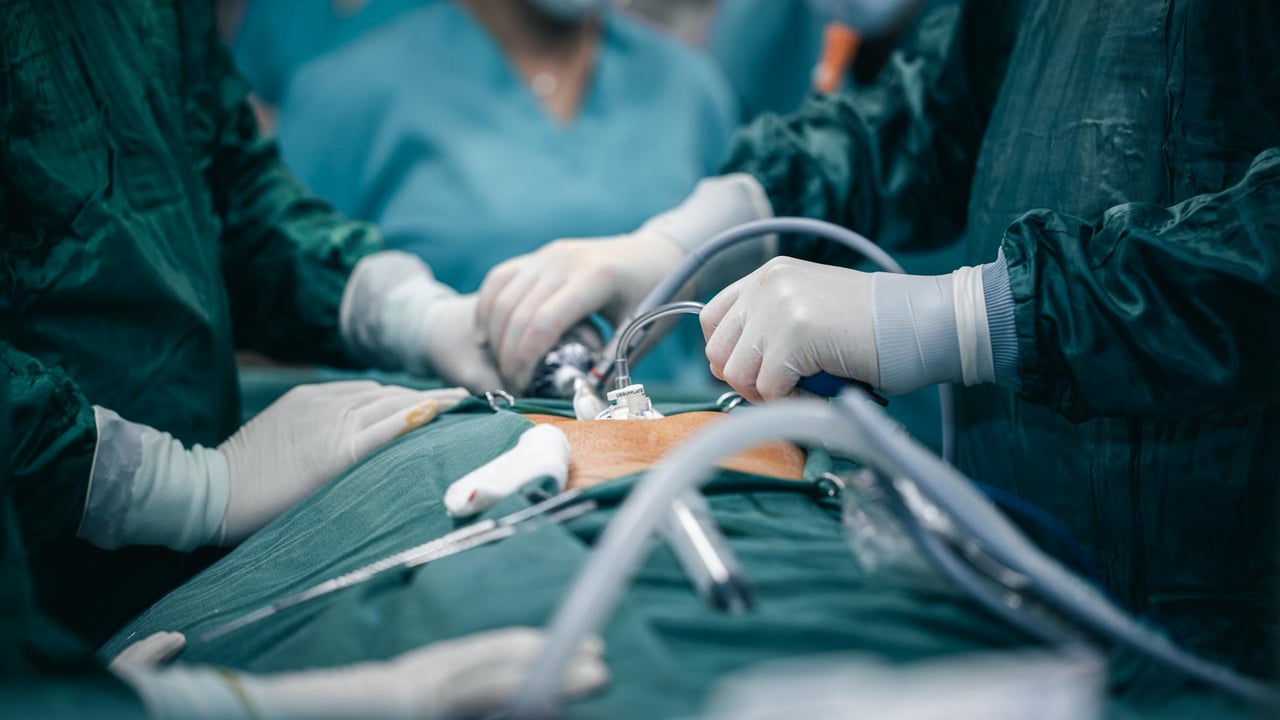

A specialist team at the PLA General Hospital Seventh Medical Center has developed a systematic approach to treating three of surgery’s most stubborn problems: high‑risk geriatric hernias, large and recurrent incisional hernias, and refractory gastroesophageal reflux disease (GERD) complicated by hiatal hernia. Established as a dedicated hernia surgery group in 2023, the team has spent three years refining techniques, protocols and a full clinical pathway that stretches from outpatient assessment to long‑term follow‑up.
The unit’s capability is illustrated by a recent emergency on a 99‑year‑old man with an incarcerated inguinal hernia and multiple serious comorbidities, including hypertension, coronary artery disease and COPD. Multidisciplinary planning with anaesthesia, intensive care and cardiology allowed a 40‑minute minimally invasive release and tension‑free repair, followed by focused postoperative nursing and rapid‑rehabilitation measures; the patient was ambulating within three days and discharged after ten.
For patients with massive recurrent incisional hernias and dense intra‑abdominal adhesions the team has moved beyond one‑size‑fits‑all operations. A 68‑year‑old post‑rectal‑cancer patient with an 18 cm abdominal wall defect, who had exhausted local options, underwent a hybrid “laparoscopic plus open” procedure: laparoscopic adhesiolysis and content reduction, then open mesh reinforcement and abdominal wall reconstruction. The approach aimed to minimise trauma while resolving complex adhesions; at six months the patient had functional abdominal wall recovery without recurrence.
The group has also standardised minimally invasive treatment for refractory GERD tied to hiatal hernia. A 52‑year‑old with a 12‑year history of severe reflux and long‑term dependence on high‑dose acid suppression received a laparoscopic hiatal repair combined with fundoplication through four 1 cm ports. Symptoms abated immediately, the patient left hospital in three days without the need for ongoing suppressive therapy, and the centre has converted the technique into a protocolized clinical pathway covering conservative management through surgical cure.
Since formation the team has expanded its caseload across the full spectrum of groin, incisional and parastomal hernias as well as GERD surgery, and implemented a comprehensive workflow—outpatient assessment, individualized operative planning, enhanced recovery and longitudinal follow‑up. The results highlight not only technical refinements—hybrid operations, precision adhesiolysis, tension‑free repairs and laparoscopic fundoplication—but also organisational advances in multidisciplinary coordination and perioperative care that together reduce risk for high‑age and complex patients.
These developments matter for reasons beyond the wards. China faces rapid population ageing and an expanding burden of surgical disease; improving outcomes for frail, comorbid patients is a clinical priority. The work at a major PLA hospital also signals broader state capacity to scale advanced surgical services within military‑run tertiary centres that increasingly serve both military and civilian patients, with potential downstream effects on workforce training, regional referral patterns and medical diplomacy. Longer‑term validation in peer‑reviewed studies, transparency on outcomes and cost and wider dissemination will determine how broadly these techniques change practice.