
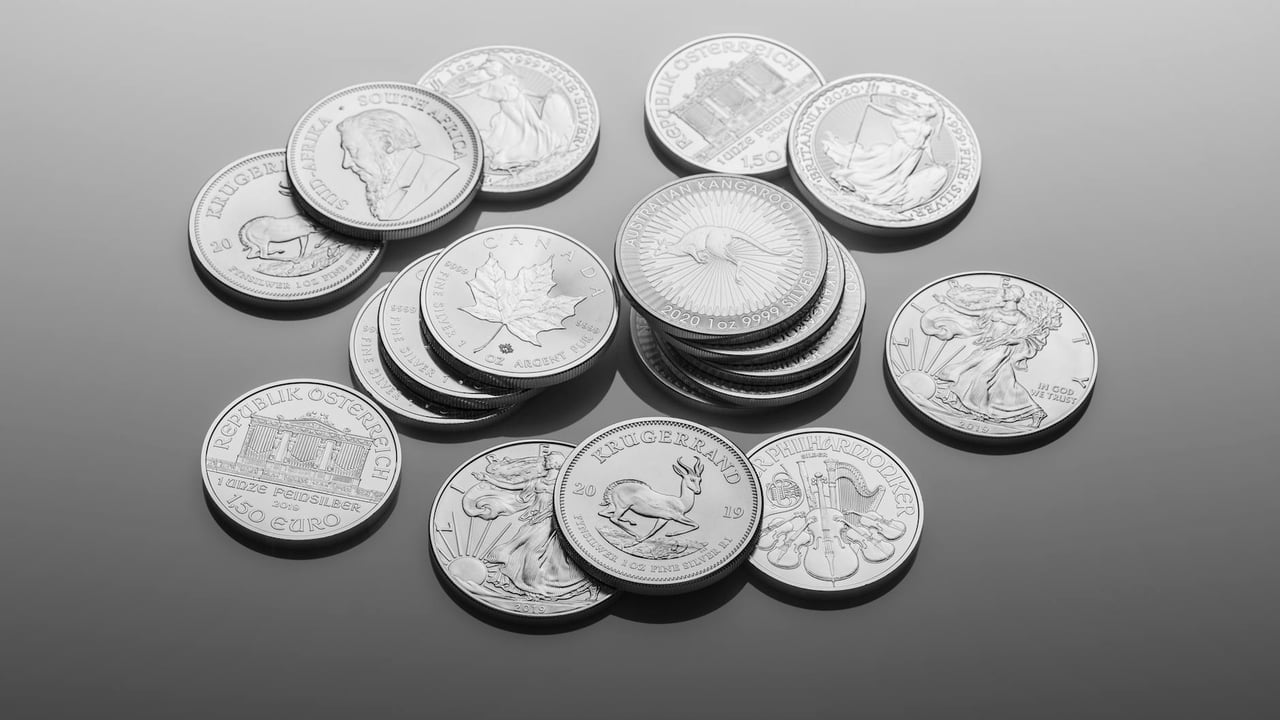

Silver’s roller‑coaster run at the turn of 2026 ended in a dramatic, disorderly collapse that has forced investors and industry alike to rethink a market that briefly looked more like a speculative casino than a commodity. Prices surged from roughly $70 to a peak near $121 per ounce in late January, drawing retail crowds and massive ETF inflows, and then plunged to lows in the mid‑$60s after a rapid shift in macro expectations and a cascade of liquidations.
At the heart of the rout was a threefold convergence: silver’s financial appeal as a leveraged alternative to gold, renewed industrial demand from solar and electronics, and newly ascribed strategic value after Washington listed silver among “critical minerals.” Those narratives attracted speculative capital into ETFs and physical accumulation, shrinking the pool of circulating metal and amplifying price moves when sentiment reversed.
The immediate catalyst for the unwind was a reassessment of U.S. monetary and geopolitical risk: the Fed’s pause on rate cuts, signs of a less dovish regime and the nomination of a more hawkish Fed chair candidate coincided with softer global risk indicators. Programmatic trading and high‑leverage positions, crowded into one of the world’s most heavily long trades, turned a change in macro expectations into a liquidity crisis; buyers vanished and sellers overwhelmed thin order books.
Structural features of the market compounded the pain. Many ETFs, including the largest, take physical metal off the market into vaults, reducing short‑term liquidity; futures contracts approached delivery with low deliverable inventories; and large open interests created the conditions for a classic “long squeeze.” On top of this, China’s provincially popular LOF silver fund adjusted its net asset value sharply during the crash, precipitating losses and sparking a wave of retail complaints on social platforms.
Retail participation magnified the episode. Social media tutorials and influencers simplified complex arbitrage narratives into “daily gains” and small regular investments, driving a flood of inexperienced investors into a fund trading at steep premiums to its net asset value. When the fund suspended subscriptions and the market turned, many of those newcomers were trapped by price and liquidity dislocations they did not understand.
Beyond flows and sentiment there are real supply‑side constraints. Primary mining output is relatively inelastic and recycled silver responds slowly, so large investment demand into physical ETFs and hoarding materially reduced the available silver for trading. Simultaneously, India’s extraordinary import spike and rising ETF holdings removed metal from exchange inventories and intensified short‑term shortages.
Technical indicators flagged danger: the gold‑to‑silver ratio collapsed well below historical norms, implied volatilities for silver ETFs shot past 60 percent, and momentum indicators registered extreme overbought readings before the reversal. The episode echoes the 1980 Hunt brothers rout in its mechanics — excessive leverage meeting a brittle market — but today’s shock is not a historical replay so much as a stress test of a smaller, more retail‑driven commodity market.
The crash leaves several open questions for policy, industry and investors. Exchanges may revisit delivery and margin rules to prevent future squeezes; regulators will face pressure to improve disclosure and investor education for commodity funds; and industrial users such as solar manufacturers must accelerate diversification and hedging if high price episodes are to become more frequent.
For now, market participants are entering a new regime in which silver’s three attributes—financial, industrial and strategic—must find a fresh equilibrium. Short‑term volatility remains high while longer‑term price discovery will hinge on whether industrial demand growth, technological substitution and strategic inventory decisions can justify the elevated valuations that attracted speculative capital in the first place.