
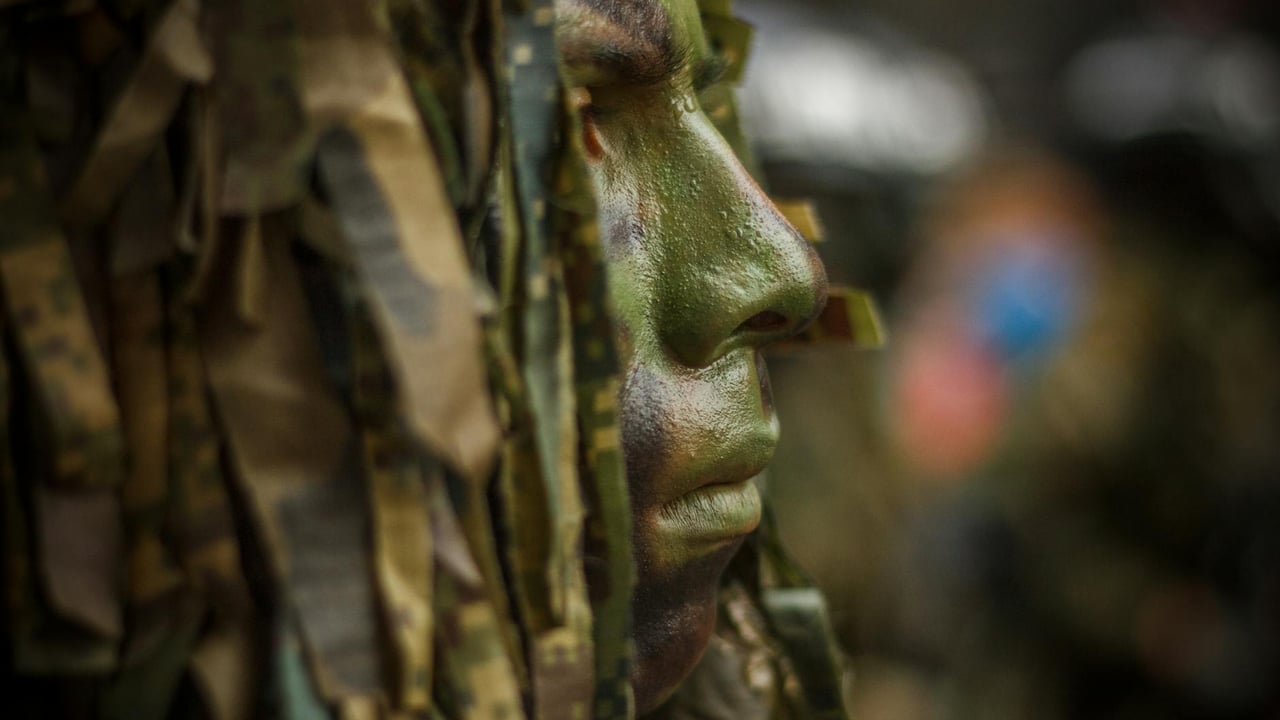

As China’s Spring Festival approaches, state military media have run a steady string of “New Year visits” to garrisons and front-line units, showcasing a striking rhetorical theme: the more festive the season, the more intense the focus on combat readiness. Reports highlight scenes of missile crews on the eastern seaboard keeping fingers on controls, high-altitude sentries in the Karakoram weathering wind and snow, and a Hainan-based vessel training in deep waters — all presented as evidence that the People’s Liberation Army is alert and dependable even during traditional family reunions.
The visual emphasis is purposeful. Accounts stress personnel “hand on the keys, arrow on the string,” heroic company-level charges toward battle readiness, and expedited unit transformation, while also pointing to internal drives—political training, ideological hardening, organizational consolidation and conduct reforms—as the roots of renewed capability. The narrative links everyday discipline and political loyalty to concrete operational outcomes: stronger grassroots units, sharper morale and a military that “can be relied on.”
For domestic audiences the message is twofold: the PLA is protecting the homeland and its soldiers place duty above personal celebration, reinforcing the Party’s broader narrative of sacrifice and stability. For foreign observers the timing and content are also signalling acts. Publicising readiness during a time of heightened symbolism underlines Beijing’s intent to portray a steady, prepared force at a moment when regional flashpoints — the East and South China Seas and contested land borders — remain sensitive.
The vignettes reflect continuing modernization priorities. Emphasis on coastal missile units, blue-water naval activity and high-altitude frontier posts underscores the PLA’s push toward integrated, multi-domain operations and rapid transformation at the tactical level. Political training and organizational tightening are framed not as civil-military schooling but as force-multipliers that legitimize structural reform and central control over the armed forces.
That fusion of performance and proclamation serves several practical goals: to reassure domestic constituencies of military competence, to project deterrence to neighbours and the US, and to signal to domestic and military audiences that political loyalty is the currency of advancement inside the armed forces. At the same time, routine publicity about heightened readiness risks hardening external perceptions of intent, potentially magnifying friction around maritime and border disputes even when no new operational activity is announced.
In short, the “越是过节越战备” motif is less a seasonal boast than a disciplined strategic communications choice. It reinforces the message that the PLA will prioritize mission over holiday ritual and that Beijing is intent on presenting a reliable, modern force capable of defending core interests — a posture that will matter to partners, rivals and neighbours as the year unfolds.