
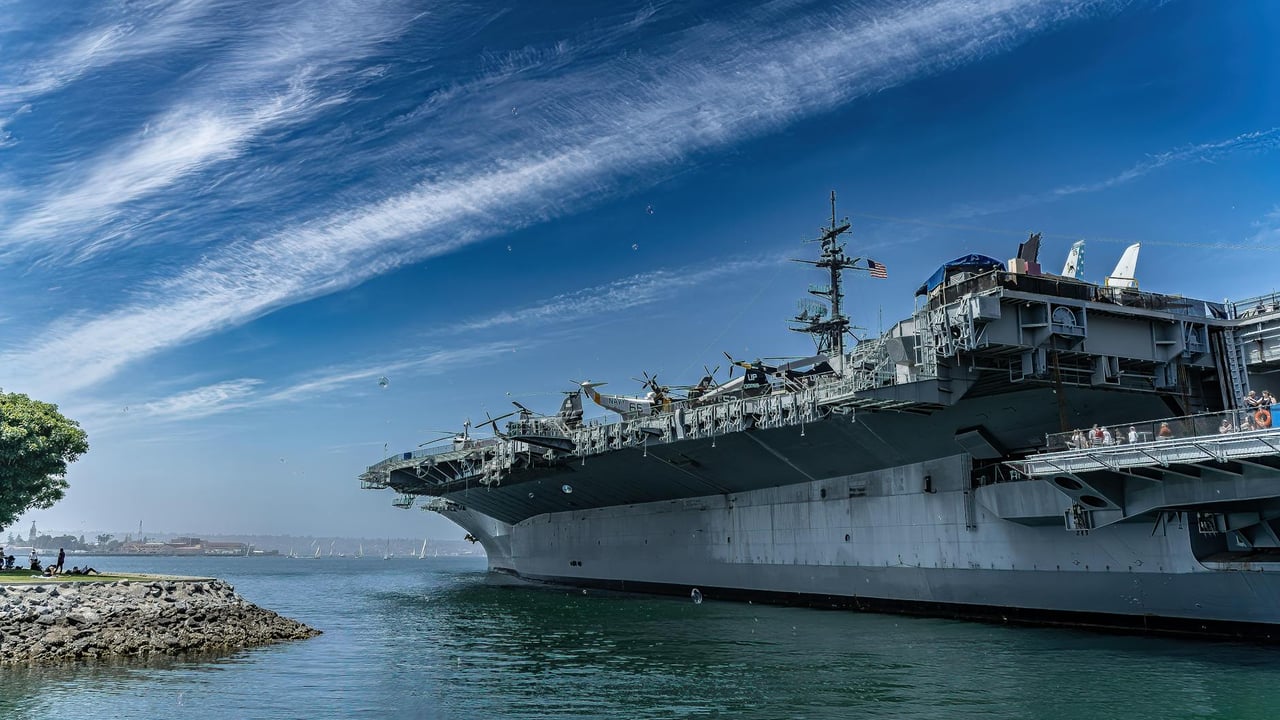

The Pentagon has ordered a second aircraft carrier strike group to prepare for deployment to the Middle East, with the George H.W. Bush carrier expected to sail from the U.S. East Coast in roughly two weeks, the Wall Street Journal reported. The Bush is currently conducting a series of training exercises off the coast of Virginia, and naval planners may accelerate those drills to meet the accelerated timetable.
A second carrier heading to the region would temporarily increase U.S. naval firepower and on-scene command-and-control, giving Washington an immediately visible means of deterrence. Carrier strike groups are mobile, sovereign U.S. territory that carry strike aircraft, electronic warfare and logistics capabilities; their arrival tends to reassure American partners and signal capability to potential adversaries.
Such deployments are logistically complex and politically charged. Accelerating a carrier’s transit requires shifting support ships, air wings and replenishment schedules, and it places additional strain on a Navy already managing commitments in multiple theaters. At the same time, sailing a second carrier into contested waters is a deliberate, public message from the Pentagon about U.S. priorities and risk tolerance.
For regional actors and Washington’s allies, the move will be read as both deterrent and insurance: deterrent to proxies or state actors contemplating attacks on U.S. forces or interests, and insurance for partners seeking an American security guarantee. But it also risks heightening tensions on the water and complicating diplomatic avenues for de‑escalation, especially if perceived as preparing for a longer-term posture rather than a short-term contingency response.