Japan’s Leader Seeks a “Suitable Environment” for Yasukuni Visits — and Regional Trust Is the Casualty

Japanese prime minister Sanae Takaichi said she is trying to create a “suitable environment” for visiting Yasukuni Shrine and expects neighbouring countries to understand. The statement signals an effort to normalize a contentious nationalist symbol that enshrines Class-A war criminals and is likely to aggravate tensions with China and South Korea while complicating regional cooperation.

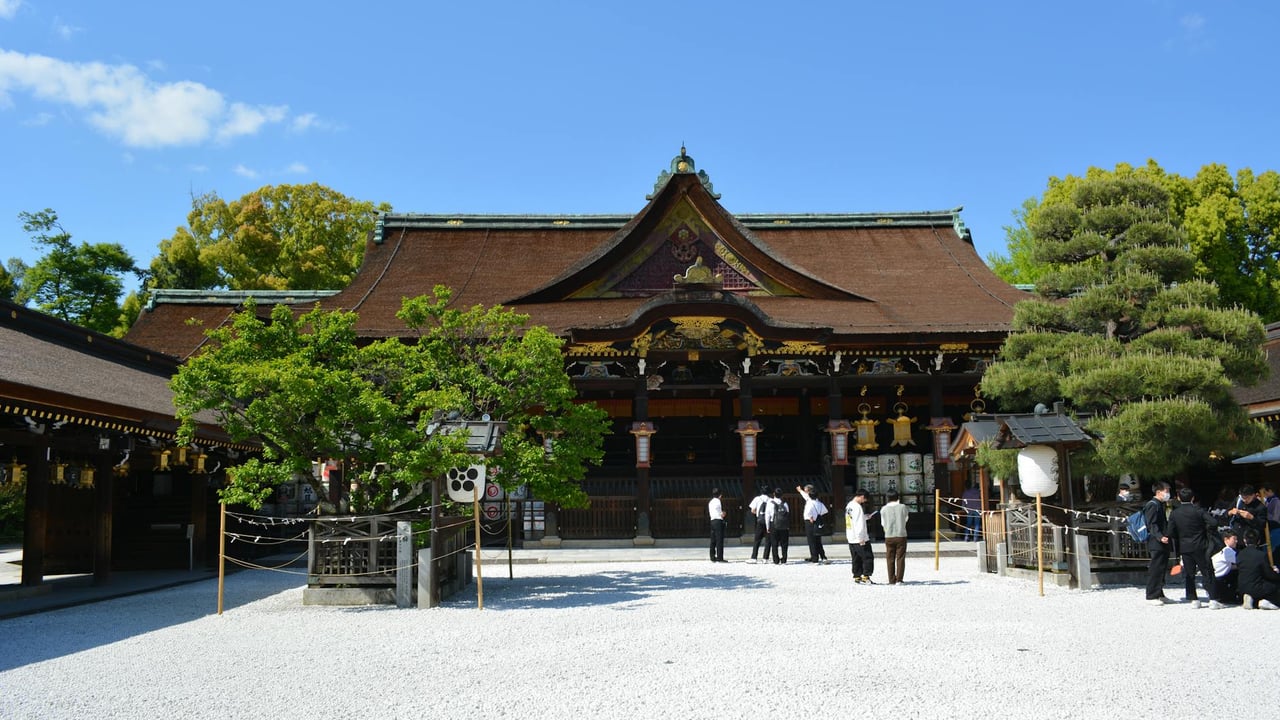
Traditional Japanese shrine with a serene atmosphere in Kyoto, Japan.

Key Takeaways

  • 1Prime Minister Sanae Takaichi publicly stated she is seeking to create a “suitable environment” for visiting Yasukuni Shrine and wants neighbouring countries to understand.
  • 2Yasukuni Shrine enshrines Japan’s war dead, including 14 Class-A wartime leaders; visits by politicians have long provoked anger in China and South Korea.
  • 3The move reflects a domestic political drive to normalize nationalist symbols and shore up conservative support in Japan.
  • 4The statement risks worsening diplomatic relations with Beijing and Seoul and complicating trilateral cooperation on security and economic issues.

Editor's
Desk

Strategic Analysis

Takaichi’s remarks are significant because they turn a recurring diplomatic irritant into an explicit objective of government policy rather than a private act of conscience. That shift matters: symbolic politics shape strategic environments. Normalizing visits to Yasukuni would be read in Beijing and Seoul not as a cultural domesticity but as a political signal about Japan’s trajectory—toward a more assertive posture and a reinterpretation of wartime responsibility. In the near term, expect sharper rhetoric from neighbours, the revival of protest diplomacy, and increased public unease across East Asia. Over the medium term, if such symbolic gestures are coupled with legal or defense changes that further distance Japan from postwar norms, they could harden regional security alignments and reduce policymakers’ space for cooperation on shared threats such as North Korea or economic decoupling. External actors, including the United States, will face a recurring dilemma: press Tokyo to de-escalate symbolic antagonisms without appearing to override domestic democratic choices.

China Daily Brief Editorial
Strategic Insight
China Daily Brief

Japan’s prime minister, Sanae Takaichi, told a television audience that she is attempting to create a “suitable environment” for visiting Yasukuni Shrine and seeks understanding from neighbouring countries. The remark, broadcast publicly, elevates a long-standing biliteral flashpoint into an explicit policy aim: to normalize pilgrimages to a site that embodies imperial Japan’s wartime legacy.

Yasukuni Shrine holds the war dead of Imperial Japan and, controversially, the spirits of 14 Class-A convicted war criminals. Visits by senior politicians have repeatedly provoked diplomatic protests from China and South Korea, where memories of occupation and wartime atrocities remain politically potent. The shrine has for decades functioned less as a religious site than as a symbol of unresolved historical memory and of a domestic political current that favors nationalist revisionism.

Domestically, the push to legitimize visits speaks to calculations within Japan’s conservative camp. For a segment of the electorate and many in the Liberal Democratic Party’s right wing, acts such as visiting Yasukuni are signals of pride in Japan’s past and a rejection of postwar pacifist constraints. For the prime minister, cultivating a “suitable environment” is therefore as much about cementing her political base and normalizing a muscular national identity as it is about ritual.

Regionally, the diplomatic costs are immediate and predictable. Calls to normalize shrine visits risk deepening distrust with Beijing and Seoul at a time when cooperation—on North Korea, trade, and supply-chain resilience—remains intermittent and fragile. The United States, which prefers its allies to manage bilateral disputes without escalating them, has in the past urged restraint, but Japan’s domestic politics often push in the opposite direction, complicating alliance management.

The episode underscores a wider strategic problem in East Asia: when domestic politics prioritize symbolic gestures over reconciliation, they make practical cooperation harder and raise the chances of miscalculation. Takaichi’s televised declaration will not only revive old grievances but also test how much neighbouring governments are willing to tolerate symbolic provocations while confronting shared security challenges.

Share Article

Related Articles

📰
No related articles found