U.S. Signals Readiness to Re‑MIRV ICBMs and Reactivate B‑52 Nuclear Role as New START Expires

The U.S. Air Force says it is prepared to reintroduce MIRVs on Minuteman ICBMs and restore B‑52 nuclear carriage now that New START has lapsed. Those options, while technically reversible, broaden U.S. military choices and risk provoking reciprocal moves by Russia and China, complicating arms‑control prospects.

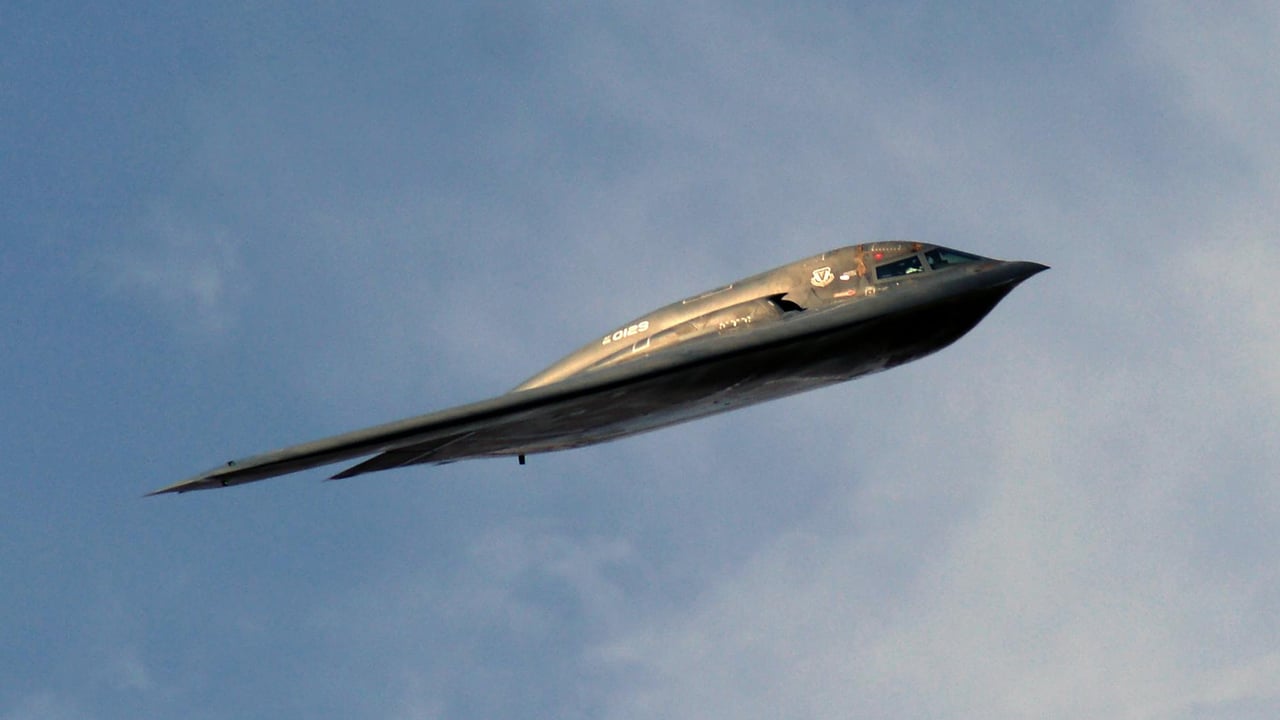
A stealth bomber aircraft soaring smoothly through a clear blue sky during the day.

Key Takeaways

  • 1U.S. Global Strike Command is prepared to MIRV Minuteman ICBMs and reinstate nuclear capability across the B‑52 fleet.
  • 2New START's expiration lifted formal limits and removed treaty verification constraints on deployed strategic forces.
  • 3Reintroducing MIRVs and bomber nuclear roles would expand deliverable warheads and could spur reciprocal actions by Russia and China.
  • 4Operational steps are required to implement either option, but the announcement serves immediate deterrence signaling and bargaining leverage.
  • 5The developments increase the urgency for renewed arms‑control diplomacy to manage escalation and verification challenges.

Editor's
Desk

Strategic Analysis

Restoring MIRVs and a full B‑52 nuclear mission is less about an imminent change to force posture than about strategic signaling in a deteriorating arms‑control environment. Technically, both options are feasible but costly and politically combustible: MIRVing land‑based missiles reduces the transparency of an opponent's arsenal and pressures early‑warning and counterforce calculations, increasing crisis instability. Politically, the move offers Washington leverage in any future talks with Moscow but also narrows bargaining space by setting a higher baseline for deployed capabilities. For China, which was never constrained by New START, U.S. reversibility injects fresh uncertainty into Beijing's modernization calculus and complicates any prospective trilateral dialogue. The immediate policy response should be two‑track: prepare measured, reversible options to maintain credible deterrence while urgently pursuing new verification‑based limits and confidence‑building measures that include Russia — and seek ways to draw China into transparency practices without demanding symmetry it will not accept.

China Daily Brief Editorial
Strategic Insight
China Daily Brief

The U.S. Air Force's Global Strike Command has told policymakers it is prepared to re‑equip land‑based Minuteman intercontinental ballistic missiles with multiple independently targetable reentry vehicles (MIRVs) and to restore the nuclear‑carriage capability across the B‑52 bomber fleet if required. Those options, long constrained by the bilateral New START arms control framework, have resurfaced as that treaty expired earlier this month and no successor agreement has been reached with Russia.

Reintroducing MIRVs to the land leg would allow each ICBM to carry several warheads, multiplying the number of deliverable warheads without increasing missile numbers. Reviving the B‑52s' nuclear role would expand the bomber leg's operational flexibility and provide a more visible, deployable component of U.S. deterrence. Both moves are reversible in technical terms but would have immediate strategic and political consequences.

The expiration of New START removes a formal limit on deployed strategic warheads and delivery systems, and it weakens the treaty‑based verification regime that had constrained rapid, opaque force adjustments. In this context Washington's readiness statement functions as both a hedging step and bargaining leverage: demonstrating capacity to raise its nuclear posture while signaling to Moscow — and to allies and partners — that it retains multiple options to maintain deterrence.

The practical and diplomatic implications are broad. Operationally, MIRVing Minuteman missiles would require development work, testing and changes in basing and command arrangements; reaccrediting B‑52s for nuclear loads entails maintenance, logistics and training. Strategically, such moves raise the risks of an arms‑race dynamic with Russia and could complicate U.S. relations with China, which is not party to New START and is rapidly modernizing its own forces. For allies, the development underscores persistent doubts about arms‑control durability and the fragility of limits that shaped nuclear postures for two decades.

Share Article

Related Articles

📰
No related articles found