
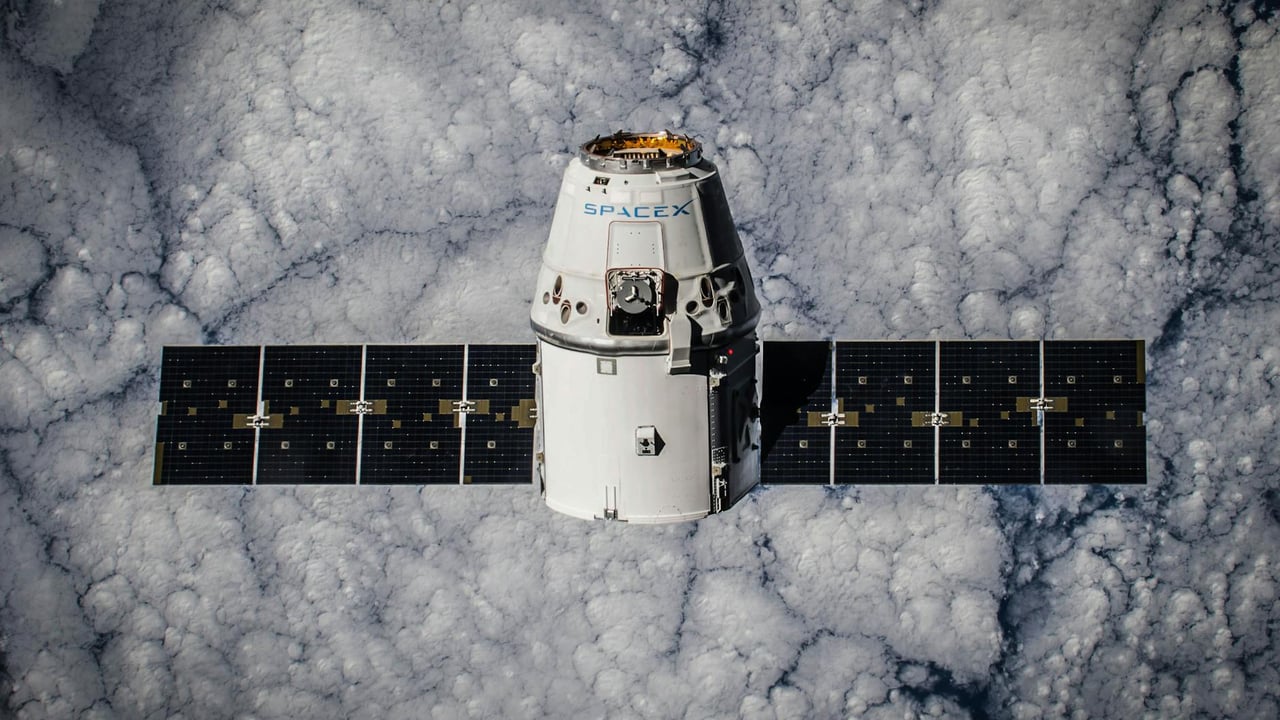

A SpaceX Crew Dragon capsule lifted off from Florida on 13 February, carrying four astronauts to the International Space Station for an approximately eight-month mission aimed at advancing science for future lunar and Mars exploration.
The crew will participate in a wide range of experiments, including studies of plant growth and the interaction between plants and nitrogen‑fixing bacteria—research that could improve food production in long‑duration spaceflight. NASA has framed the flight as part of a broader agenda to test technologies and biological systems that will be needed for sustained operations beyond low Earth orbit.
The flight underlines the continuing prominence of commercial providers in crewed low‑Earth orbit operations. SpaceX, which operates the Crew Dragon under contract to NASA, has established a regular cadence of launches that supports both crew rotation and an expanding science programme aboard the ISS.
For researchers, long missions such as this create opportunities to study physiological and ecological processes over timeframes closer to the durations required for lunar outposts or Mars transit. Experiments on plant‑microbe interactions are especially pertinent because reliable, efficient food systems will be essential for the autonomy of future deep‑space missions.
The mission also sits within a shifting international landscape. While the ISS remains a multinational platform, national programmes and private companies are simultaneously accelerating plans for lunar return, commercial stations and planetary missions. Those parallel developments make the ISS both a laboratory and a demonstration stage for competing architectures of exploration.
Operationally, regular Crew Dragon missions strengthen the United States’ ability to sustain a continuous human presence in orbit through commercial partnerships. That model reduces costs for government agencies, fosters a domestic space industrial base, and creates a market for service providers—trends likely to shape the next decade of space activity.
At the same time, the proliferation of launches and new orbital platforms raises questions about traffic management, long‑term orbital sustainability and the strategic implications of growing private-sector capabilities tied to national interests. How nations and agencies coordinate science, commerce and security in space will determine whether these trends expand cooperation or exacerbate rivalry.
In short, the latest Crew Dragon flight is routine in one sense—another successful rotation to the ISS—but significant in another: it is a tangible example of how commercialised launch services are becoming the backbone of near‑term human spaceflight and of the work that ultimately aims to take humans farther from Earth.