
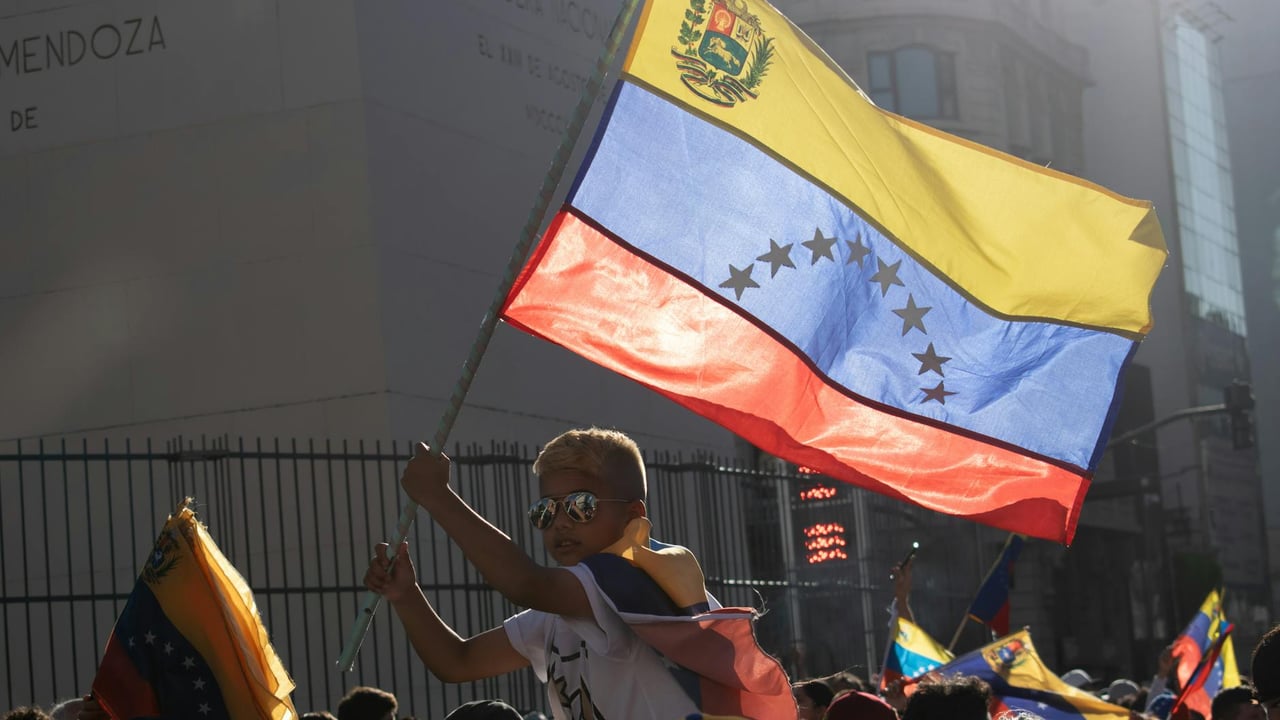

On February 12, roughly 20,000 people marched through Caracas in a heavily attended youth demonstration that protesters said was staged to denounce a recent U.S. attack on Venezuela and to demand the release of President Nicolás Maduro and his wife. The rally, held on Venezuela’s Youth Day, drew chants and banners accusing Washington of imperialist aggression and called for regional solidarity with Cuba.
Participants framed the march as a rejection of foreign intervention. One demonstrator told the crowd that "no imperialism has the right to invade our territory, kill our people, or kidnap our president," while others accused the United States of seeking to occupy Venezuela to seize its oil and natural resources. Organizers also linked the protest to a broader campaign against recent U.S. moves targeting Cuba, including a January threat to impose tariffs on imports from countries supplying oil to Havana.
The demonstration comes against a backdrop of long‑running confrontation between Caracas and Washington. Since Nicolás Maduro consolidated power following contentious elections and an aborted opposition push in 2019, the United States has maintained sanctions and sporadic diplomatic pressure, while Venezuela has leaned on anti‑imperialist rhetoric to shore up domestic support and cultivate allies across Latin America.
For international observers, the march is significant as both a barometer of domestic support for Maduro and a signal to external actors. Large, state‑aligned demonstrations serve a dual purpose: they mobilize grassroots backing and provide a public relations counterweight to accusations of repression. They also underscore the risk that tit‑for‑tat rhetoric over alleged attacks or sanctions could further strain regional diplomacy and complicate energy markets if access to oil is threatened.