
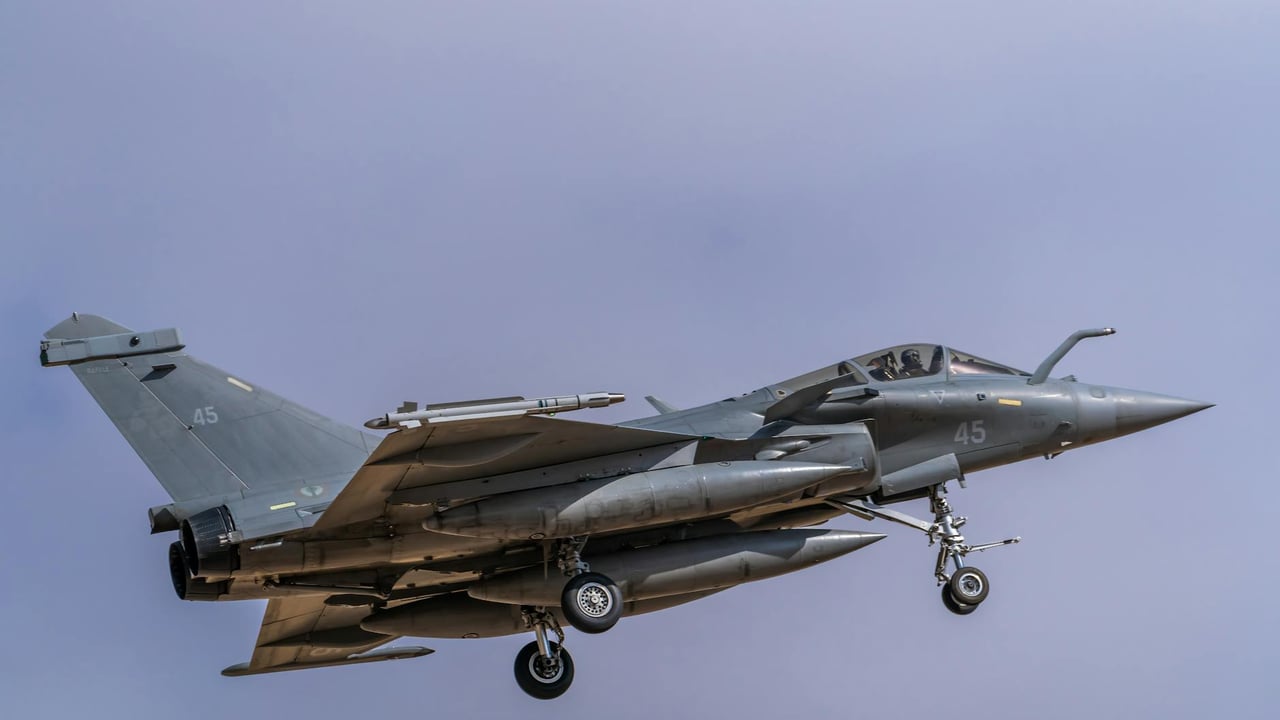

India’s defence procurement body has provisionally approved a sweeping acquisition package that includes a proposed purchase of 114 Dassault Rafale fighters and P-8I maritime patrol aircraft, part of a broader plan reportedly worth roughly 3.6 trillion rupees (about $400 billion). The announcement on February 12 signals New Delhi’s urgency to replenish an air force hollowed out by the retirement of legacy fighters and delayed domestic programmes.
The Defence Acquisition Council’s initial approval, reported by Indian media and circulated in Chinese outlets, assigns approximately 3.25 trillion rupees to the Rafale tranche. That headline figure, if taken at face value, would far exceed typical per‑unit pricing for modern fighters and suggests the package may bundle long‑term maintenance, weapons, training, infrastructure and possible offsets rather than simply the airframes themselves.
New Delhi has been pursuing a two‑track strategy: buying proven foreign platforms while attempting to bootstrap indigenous production. The Indian Air Force has already placed large orders for the domestically built HAL Tejas — roughly 180 aircraft — but deliveries have been hampered by engine and supply chain constraints. The Rafale buy, if finalised, would be aimed at restoring squadron strength quickly while the Tejas and other domestic projects mature.
Strategically, a large Rafale purchase deepens defence ties with France and enhances India’s air combat and maritime patrol capabilities at a time of rising regional tensions. A reinforced fighter fleet and additional P‑8Is would strengthen India’s deterrent posture vis‑à‑vis both China and Pakistan and improve monitoring of sea lanes in the Indian Ocean.
Domestically, the decision exposes persistent trade‑offs in India’s defence policy: speed of capability acquisition through imports versus the political and industrial priorities of 'Make in India.' Large foreign purchases can deliver immediate capability but risk crowding out investment, expertise and orders for domestic suppliers unless offset arrangements are meaningful and enforceable.
Questions about cost transparency and fiscal impact will follow. Even allowing for lifecycle support, weapons and infrastructure, the headline rupee sums reported are unusually large by international standards. Parliament and defence planners will face pressure to justify the expenditure, explain the structure of the deal, and clarify how the acquisition complements ongoing indigenous programmes.
If executed, the Rafale purchase would be among the largest single‑platform procurements in India’s history, accelerating modernisation but also locking New Delhi into long supply chains and political relationships. The coming weeks should reveal whether India finalises the deal, how it navigates cost and industrial offsets, and what this implies for the balance of military power in South Asia.