
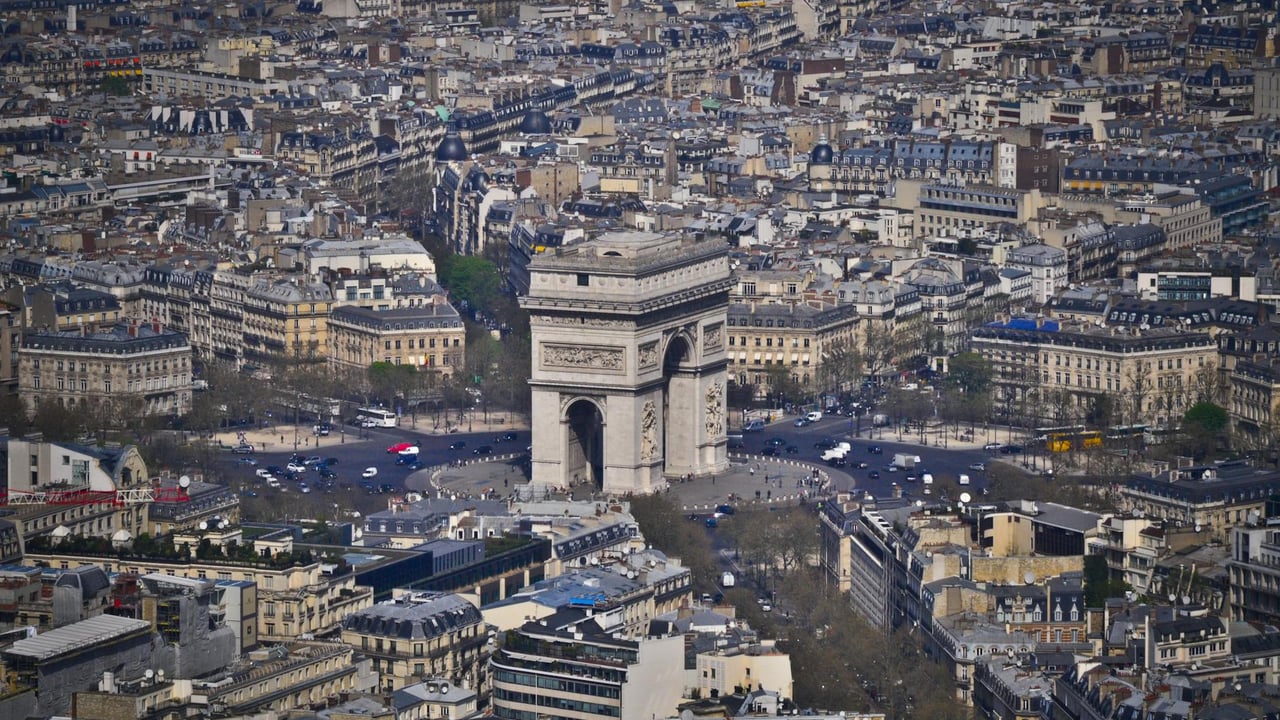

A man brandishing a knife threatened a gendarme near Paris’s Arc de Triomphe on the evening of February 13 and was shot and subdued by a colleague, French authorities said. The assailant was transported to hospital in critical condition; there were no other reported injuries. Paris’s police chief went to the scene and the national anti-terror prosecutor’s office (PNAT) has opened an investigation.
The incident occurred at around 18:00 local time when one gendarme on duty near the landmark was reportedly threatened by the knife-wielding man and a second gendarme fired to neutralize the danger. Emergency services took the suspect to hospital; investigators remain on site and have not released details about the attacker’s identity or motive. Officials have emphasized that the inquiry is ongoing.
The Arc de Triomphe and the Champs-Élysées area are iconic and heavily frequented by tourists, diplomats and Parisians, and they have been a focus of heightened security for years. The gendarmerie — a military police force responsible for protecting certain strategic sites and performing policing duties outside Paris’s municipally-run police — regularly patrols such high-profile locations. Use of lethal force by armed security personnel in public spaces is relatively rare but has become a flashpoint in debates over rules of engagement and civilian safety.
That the PNAT has taken the case signals prosecutors are treating it with special gravity and at least as a potential national-security matter, though such a move does not prove a link to terrorism. In recent years France has seen a string of attacks using knives or vehicles, and authorities remain vigilant about lone-actor violence, radicalization and other motives. Investigators will seek to establish whether the incident was ideologically driven, the result of personal pathology, or connected to wider networks.
Beyond the immediate criminal inquiry, the episode will matter politically and practically. It risks heightening public anxiety around security at major touristic and ceremonial sites, could lead to visible increases in patrols and checkpoints, and will feed a fraught national conversation about public safety, policing methods and civil liberties. How quickly and transparently investigators disclose findings will shape whether the episode becomes a source of reassurance or a rallying point for criticism of security forces.