

British and international outlets reported on Feb. 13 that two U.S. officials say the Pentagon is preparing for military action against Iran that could run for weeks and be more severe than the strikes carried out last June. U.S. planning, Reuters has reported, now envisions a more complex campaign that would target not only Iran’s nuclear sites but also security installations and state institutions, reflecting a possible shift from precision retaliation to a broader degradation campaign.
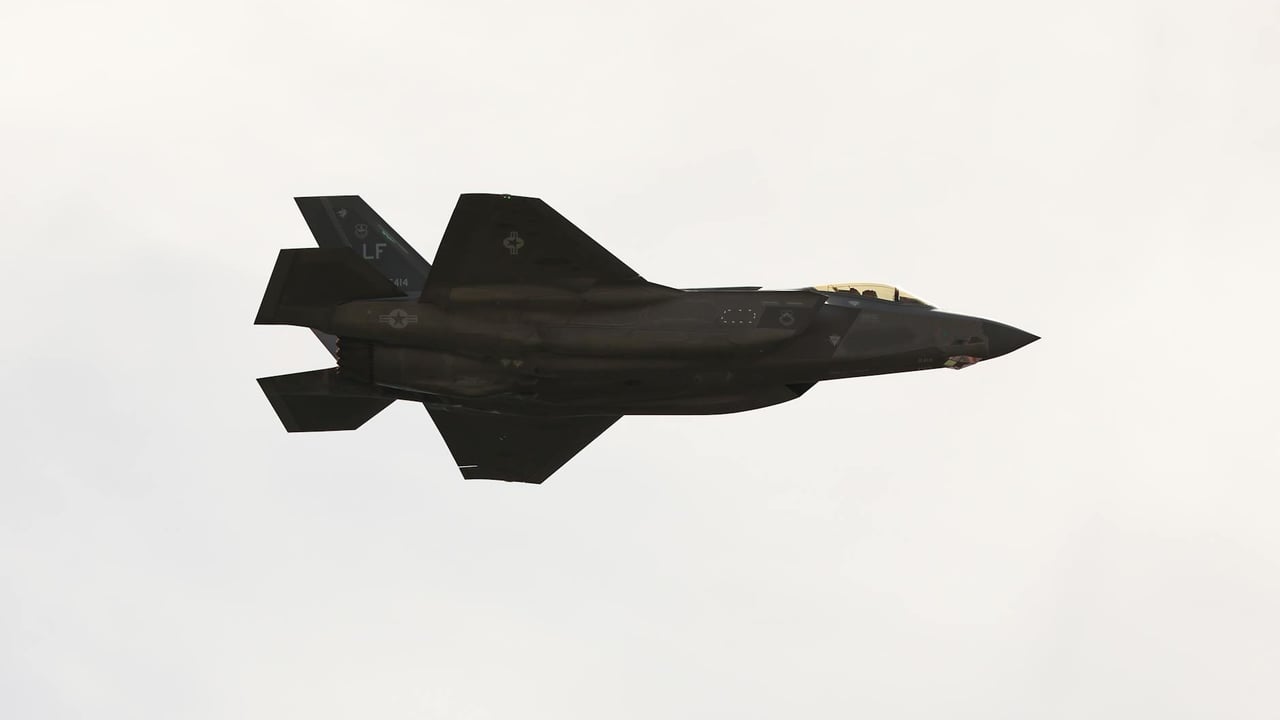
The buildup is tangible: the White House has dispatched two aircraft carriers and additional thousands of troops to the Middle East, along with fighter aircraft, guided-missile destroyers and other materiel. The deployments follow nuclear talks between the United States and Iran held in Oman last week, undertaken at a moment when Washington says it seeks to increase pressure on Tehran.
President Donald Trump has amplified the rhetoric, saying on Feb. 13 that regime change would be Iran’s “best way out” while also declining to say who should replace Tehran’s leadership. He hailed the arrival of “strong military force” in the region and warned that if the United States “really” strikes Iran, attacking nuclear facilities might be the least important element of operations, adding that remaining targets could be “cleaned up.” The White House and Pentagon have so far declined to publicly elaborate operational plans.
U.S. planners apparently assume Iranian reprisal. A senior U.S. official told Reuters that Washington expects Tehran to retaliate and that the exchanges could lead to a period of reciprocal strikes. Iranian Revolutionary Guard Corps spokesmen have warned that any attack on Iranian territory could prompt reprisals against U.S. bases across the region, underscoring the risk of a wider, protracted confrontation.
Iran presents unique risks. Military analysts note Tehran’s large missile inventory, dispersed air-defence and asymmetric proxy capabilities raise the likelihood that any U.S. campaign would invite costly, sustained Iranian response — including strikes on bases, attacks on shipping in the Persian Gulf and proxy attacks across the Levant. Those dynamics make a campaign more dangerous for U.S. forces and heighten the possibility of spillover to neighbouring states and global energy markets.
The prospect of an extended U.S. campaign matters beyond immediate battlefield calculations. A sustained air and sea campaign would stretch logistics, complicate alliances and force regional partners to take political and security decisions under acute pressure. At the same time, the public messaging from Washington — especially talk of regime change — risks closing diplomatic channels, strengthening hardliners in Tehran and reducing options for de-escalation. The coming days will test whether the United States pursues limited deterrent strikes, a broader coercive campaign or renewed diplomacy to avert a dangerous spiral.