

A People’s Liberation Army Air Force aviation brigade honored as the “Sea‑Air Eagle Regiment” has been profiled in official media as a long‑term garrison on China’s southeastern coast, tasked with safeguarding the country’s maritime and aerial approaches. The piece frames the unit’s identity around loyalty and combat effectiveness, saying its personnel have forged victory into their DNA through repeated “combat takeoffs” and realistic training.
The coverage stresses that the brigade has been intensifying real‑world training in recent years, using operational sorties as the core method to sharpen fighting skills and maintain high tempo readiness. Although the report is light on technical detail, its emphasis on continuous, realistic drills signals a shift from periodic exercises to a more persistent posture meant to simulate wartime conditions.
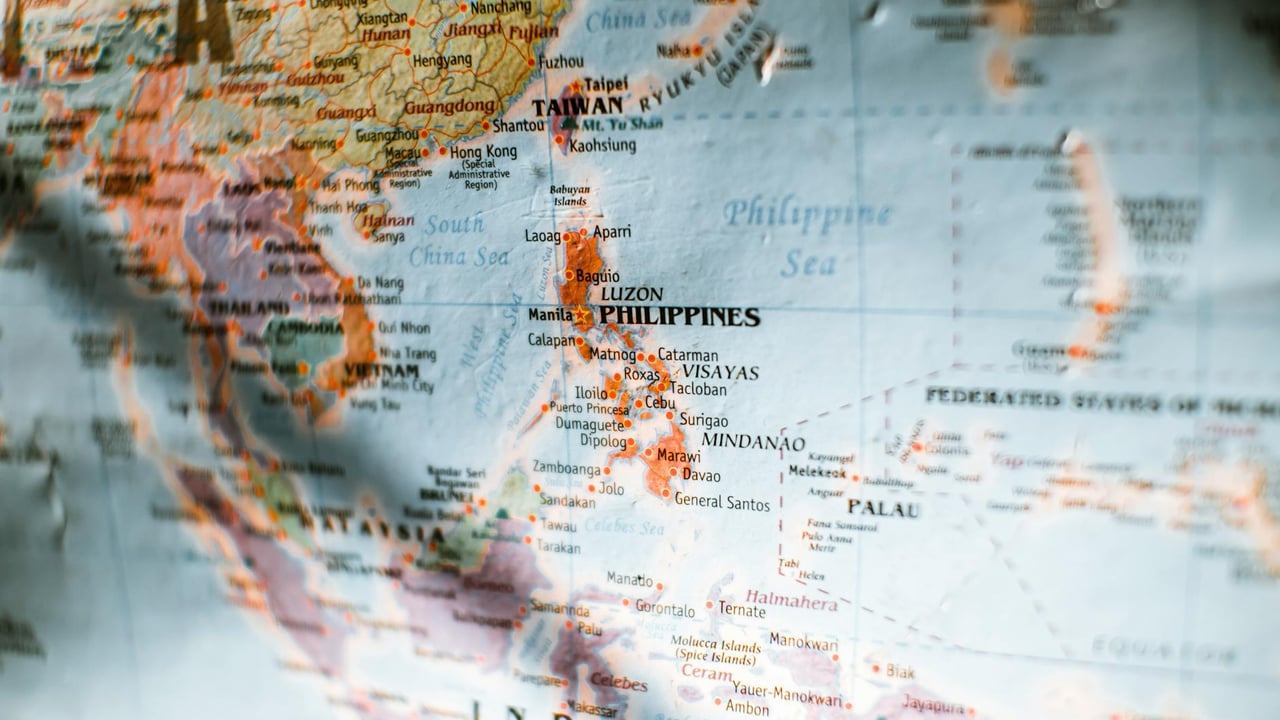
This local profile matters because the southeastern theatre covers strategically sensitive waters and airspace, including the Taiwan Strait approaches and parts of the South China Sea. A brigade permanently stationed there and celebrated for its combat spirit is both a tactical asset for Beijing and a visible piece of messaging about China’s capacity and intent to control nearby maritime domains.
The story also performs an internal political function: honourific titles and media narratives reinforce unit cohesion, political loyalty and the broader party‑army relationship. Publicising a unit’s “loyalty and fighting prowess” serves recruitment and morale goals at home while normalising high‑intensity operational patterns for the force.
Regionally, the routine portrayal of constant readiness has external consequences. Regularised high‑tempo sortie cycles increase the chance of interactions with other air forces and ships operating in the same maritime commons, raising the potential for close encounters and escalation dynamics that Taipei, Washington and neighbouring capitals will monitor closely.
Taken together, the profile of the “Sea‑Air Eagles” is more than a human‑interest story: it is a snapshot of how the PLA Air Force is institutionalising readiness on a sensitive front, blending doctrinal change with political messaging. Observers should expect more such features as Beijing seeks to normalise sustained pressure operations while signalling deterrence and domestic strength.