
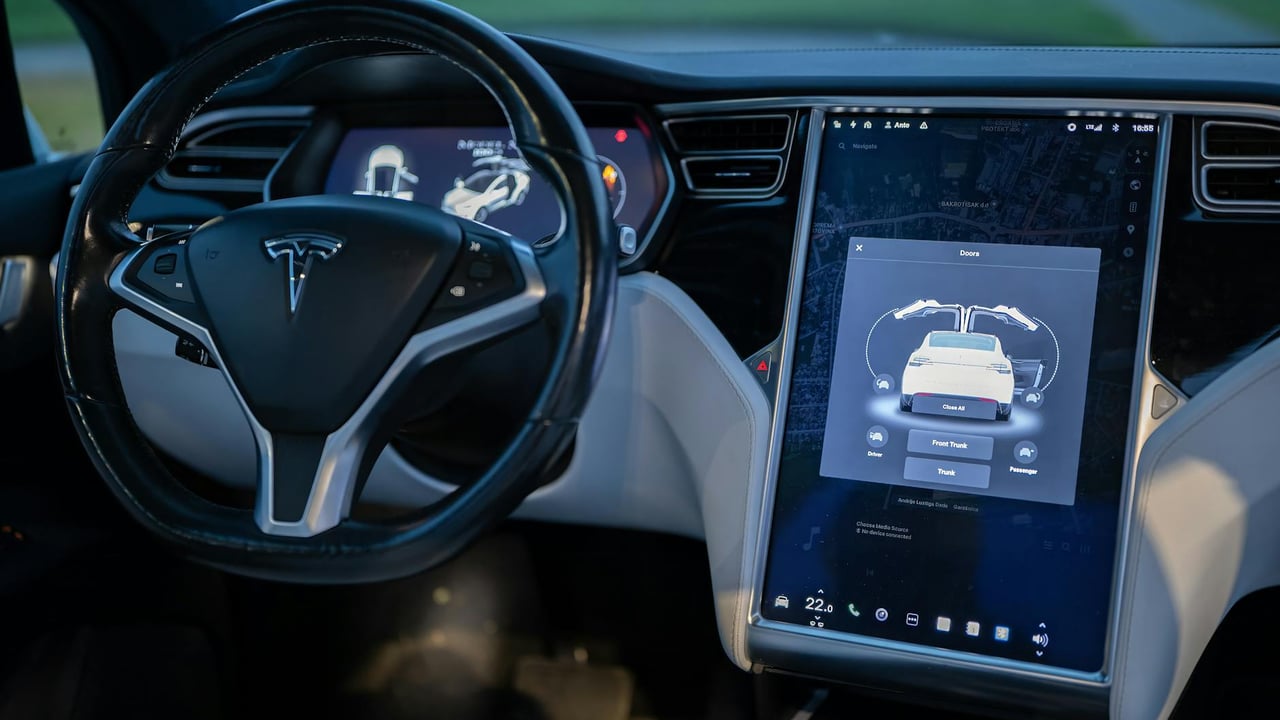

Tesla has quietly removed the option to buy Full Self‑Driving (FSD) outright on its U.S. website, switching the feature to a subscription‑only offering as of 15 February 2026. The move, announced by a change on Tesla’s online configurator, stops short of a public fanfare but represents a notable shift in how the company monetises its increasingly software‑centric features.
On the same day Tesla’s U.S. site eliminated the lifetime purchase, the company’s China portal continued to offer one‑time purchase packages: an enhanced driver‑assist bundle priced at ¥32,000 and a more fully featured intelligent driving package at ¥64,000. Those prices — roughly $4,500 and $9,000 respectively — underline the divergent approaches Tesla is taking across two of its most important markets.
The change underscores a broader trend across the auto industry: retooling revenue models around recurring software income rather than single, up‑front hardware sales. Subscriptions deliver predictable monthly cash flow, allow Tesla to gate access to features while it iterates software, and reduce the friction of a high sticker price for consumers. For Tesla, which has long treated software updates as a way to keep cars relevant post‑sale, subscriptions are a natural extension of that strategy.
But the switch is not purely commercial. FSD has been the centre of regulatory scrutiny, safety debates and high‑profile incidents. A subscription model offers Tesla more direct control over who can use the system and when: access can be toggled, and software can be rolled back or restricted without having to deal with a permanent sale. That operational flexibility may be attractive as regulators in the United States and elsewhere push for clearer accountability on automated driving capabilities.
For consumers the implications are mixed. Subscriptions lower the barrier to trying advanced driving aids, but they also shift the long‑term economics of car ownership. Monthly fees can add up and may make it harder for owners to justify the resale price of vehicles whose capabilities depend on ongoing payments. Second‑hand buyers and lessees become a more complex compliance case for both regulators and automakers.
Tesla’s China pricing highlights the regional puzzle. Maintaining buyout options in China while removing them in the United States suggests Tesla is testing the market reaction and balancing competitive dynamics. China remains fiercely competitive — Tesla’s January 2026 China deliveries fell sharply year‑on‑year — and local consumers and competitors may react differently to subscription models than Western buyers.
Strategically, the change also positions Tesla alongside other manufacturers that are layering software services on top of vehicles. Rivals and regulators will watch closely: if subscriptions materially boost recurring revenue without denting sales, other makers may accelerate similar moves. Conversely, a consumer backlash or regulatory pushback could slow the trend or force companies to disclose more clearly what buyers are actually purchasing.
For now, Tesla’s pivot is modest in publicity but significant in implication. It tightens the company’s hold on the software stack, tests consumer tolerance for ongoing fees, and creates a test case for how advanced driver assistance will be packaged and governed in a world where the line between car and connected device grows ever thinner.