

On February 12 in Beirut, shop windows filled with bouquets and garlands as florists prepared for Valentine's Day. Photographs by Bilal Jawich for Xinhua capture employees arranging flowers and a passerby pausing by a fully stocked storefront, intimate scenes of commerce and everyday ritual in a city still marked by upheaval.
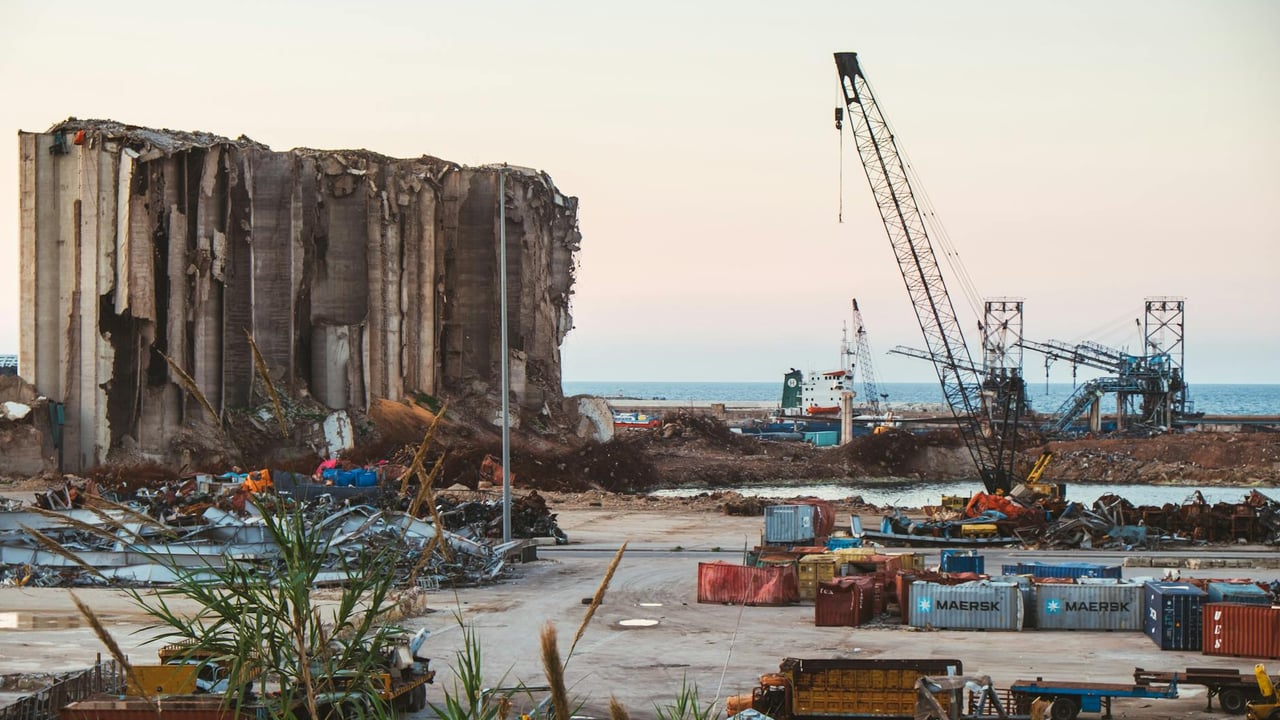
The images are straightforward: stems trimmed, arrangements adjusted and displays readied to meet the seasonal surge in demand. Behind that routine lie larger forces shaping Lebanon's economy — from the protracted financial crisis that began in 2019 to the lingering scars of the 2020 port blast and recurrent political deadlock. For small retailers such as flower shops, holiday periods are not merely cultural moments; they provide vital revenue spikes in an otherwise strained market.
Valentine's Day is a predictable, calendar-driven source of discretionary spending and an important moment for businesses that sell emotion as much as a product. In Lebanon, where many sectors rely on a mix of local customers, tourists and diaspora spending, festivities can function as microeconomic barometers: busy shops suggest pockets of consumer confidence, while subdued demand hints at tightened household budgets.
These photographs also speak to social resilience. Public acts of celebration—buying flowers, going out—signal desire for normalcy and connection in a country where everyday life has been repeatedly disrupted. They do not erase broader hardships, but they do show how people and entrepreneurs seek to preserve cultural rhythms and income streams despite uncertainty.
For international observers, such scenes are a reminder that macro-level crises play out in mundane, human-scale ways. The state of neighbourhood retailers, the cost and availability of imported goods like roses, and the willingness of consumers to spend on non-essentials together offer insight into the pace of economic recovery and social morale.
The photographs by Xinhua offer a snapshot rather than a trendline. Yet they are useful: small-business activity around seasonal holidays can inform assessments of liquidity in the local economy, the health of supply chains and the resilience of urban life in Beirut as residents and shopkeepers navigate an uneven path toward stability.